July 6, 2026
Car Insurance Coverage
Does Car Insurance Cover Hurricane Damage?
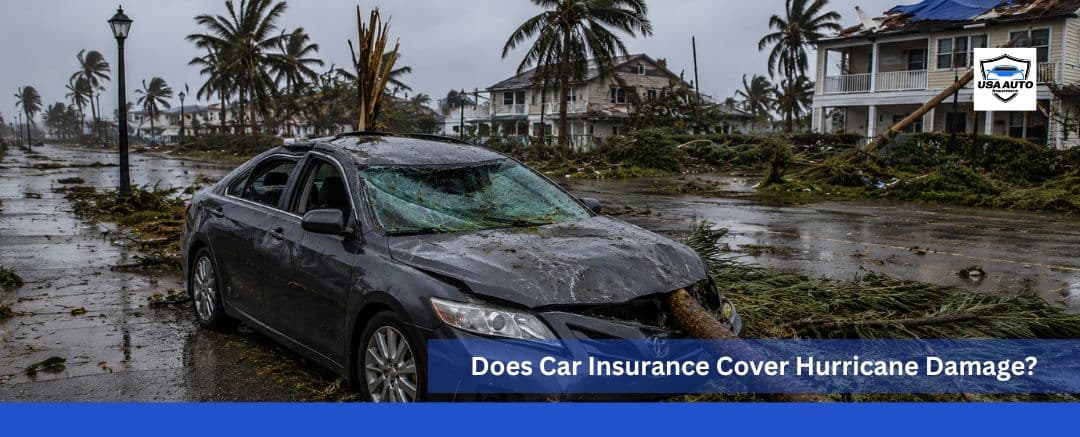
Yes, car insurance can cover hurricane damage if you have comprehensive coverage. This type of auto insurance coverage typically protects your vehicle from weather-related damage caused by hurricanes, tropical storms, flooding, falling trees, flying debris, and other natural disasters.
However, not every car insurance policy includes this protection. If you only carry liability coverage, damage to your own vehicle from a hurricane usually will not be covered. As a result, many drivers are surprised to learn they may have to pay for costly repairs out of pocket after a severe storm.
While hurricanes are more common in coastal states, their effects can reach far inland. Strong winds, heavy rain, flash flooding, and falling branches can damage vehicles in many parts of the country. Therefore, understanding how your coverage works before severe weather strikes can help you avoid unexpected expenses later.
In this guide, you'll learn what type of insurance covers hurricane damage, whether flood damage is covered, how claims work, and what to expect if your vehicle is damaged during a major storm.
Does Car Insurance Cover Hurricane Damage in Michigan?
Hurricane damage can be expensive, even in areas that do not experience direct hurricane landfalls. According to the National Oceanic and Atmospheric Administration (NOAA), tropical cyclones have caused more than $1.5 trillion in damages across the United States, with an average cost of approximately $23 billion per event.
These losses highlight how quickly severe weather can lead to costly vehicle repairs, especially when flooding, falling trees, and high winds are involved. Although Michigan rarely experiences direct hurricanes, remnants of tropical storms can still bring flooding, high winds, and severe weather that may damage vehicles.
In Michigan, hurricane-related vehicle damage is generally covered if you carry comprehensive coverage. According to Michigan auto insurance requirements, drivers must maintain certain mandatory coverages, but comprehensive insurance is not one of them.
As a result, drivers who carry only liability coverage may have to pay out of pocket for hurricane-related damage to their own vehicles. Aside from that, financed and leased vehicles often require comprehensive coverage, which means many vehicle owners already have this protection as part of their policy.
What Type of Auto Insurance Covers Hurricane Damage?
Many drivers assume all car insurance policies automatically cover hurricane damage. However, that is not always the case.
The type of coverage you carry determines whether hurricane-related losses are covered. In most cases, comprehensive coverage is the primary part of an auto insurance policy that protects against damage caused by hurricanes and other weather-related events.
Depending on your policy, other coverages may also provide valuable financial protection after a hurricane. For example, gap insurance may help if a hurricane-related total loss leaves you owing more on your loan than the vehicle's value, while roadside assistance coverage may help if your vehicle becomes disabled or stranded because of severe weather conditions.
Understanding how these coverages work together can help you determine whether your current policy provides enough protection before hurricane season begins.
Understanding Comprehensive Coverage
Comprehensive insurance is designed to cover damage caused by events other than vehicle collisions. Insurance companies often refer to these events as "covered perils." Hurricanes, flooding, windstorms, hailstorms, vandalism, theft, and falling objects generally fall into this category.
Comprehensive coverage can help pay for repairs when your vehicle suffers damage from:
- Flooding
- High winds
- Falling trees or branches
- Flying debris
- Storm surge
- Broken windows
- Hail damage
- Lightning strikes
For example, if a hurricane causes a tree to fall onto your parked vehicle or floodwater damages its electrical system, you will typically file a comprehensive claim.
Most comprehensive claims are subject to a deductible, which is the amount you pay out of pocket before insurance coverage applies. According to the Insurance Information Institute, common auto insurance deductibles include amounts such as $250, $500, and $1,000, although many insurers offer other deductible options as well. In general, choosing a higher deductible can lower your insurance premium, while a lower deductible may reduce your out-of-pocket costs after a covered claim.
Because hurricanes often cause several forms of damage at once, comprehensive coverage can help reduce the financial burden of repairing or replacing a damaged vehicle. It is also important to understand how comprehensive coverage differs from other common types of auto insurance.
Coverage Type | What It Covers | Hurricane Damage Covered? | Typical Use Case |
Comprehensive | Flooding, wind damage, theft, vandalism, falling objects | Yes | Weather-related and non-collision damage |
Collision | Vehicle accidents and collisions | No | Crash-related damage |
Liability | Damage or injuries caused to others | No | Required coverage in most states |
This distinction matters because many policyholders mistakenly assume collision coverage protects against storm damage. Which in fact, hurricane-related vehicle damage is handled through a comprehensive insurance claim.
Other Coverages That May Help After Hurricane Damage
While comprehensive coverage is the primary protection against hurricane-related vehicle damage, other types of auto insurance coverage may provide additional financial support depending on the situation.
Gap Insurance
Gap insurance does not directly cover hurricane damage or pay for vehicle repairs. Instead, it can help if your vehicle is declared a total loss and you owe more on your loan or lease than the vehicle's value.
For example, suppose a hurricane causes severe flooding that totals your vehicle. Your comprehensive coverage may pay the vehicle's value at the time of the loss. However, if you still owe more on your loan than the insurance settlement provides, gap insurance may help cover the difference.
This coverage can be particularly valuable for newer vehicles that depreciate quickly or for drivers who have financed most of their vehicle's purchase price.
Roadside Assistance Coverage
Roadside assistance coverage also does not pay for hurricane damage itself. However, it may help if severe weather leaves your vehicle stranded or unable to operate safely.
Depending on the policy, roadside assistance may provide services such as:
- Towing assistance
- Battery jump-starts
- Flat tire assistance
- Lockout services
- Emergency fuel delivery
For example, if a hurricane leaves debris on the road and your vehicle becomes disabled, roadside assistance may help transport the vehicle to a repair facility or a safer location.
While roadside assistance should not be viewed as a substitute for comprehensive coverage, it can provide valuable support during and after severe weather events when drivers need immediate help.
List of Hurricane Damage Usually Covered by Comprehensive Insurance
Hurricanes can damage vehicles in several ways, often affecting multiple systems at the same time. While coverage details vary by policy, comprehensive insurance generally covers many of the most common types of hurricane-related losses.
The following are some of the most common types of hurricane damage that may be covered under comprehensive insurance;
Flooding
Flood damage is one of the most severe forms of hurricane-related vehicle damage. Water can enter the engine, transmission, electrical systems, and interior components, leading to extensive repairs. Modern vehicles rely on sophisticated electronics, sensors, and computer modules that may be especially vulnerable to water exposure.
In some cases, flood damage is minor and repairable. However, when water reaches critical mechanical or electrical systems, repair costs can exceed the vehicle's value. As a result, insurers may declare the vehicle for a total loss rather than approve of repairs.
Wind Damage
Hurricane-force winds can cause direct damage to a vehicle's exterior. Strong gusts may dent body panels, damage mirrors, tear off trim pieces, or break exterior accessories. Wind damage often becomes more severe when combined with flying debris. Even if floodwaters never reach the vehicle, high winds alone can create substantial repair costs.
Falling Trees and Branches
Strong winds frequently cause trees and large branches to fall onto parked vehicles. The impact can damage the roof, hood, windshield, doors, and structural components. The extent of damage depends on the size of the tree and where it strikes the vehicle. In severe cases, repairs may be so extensive that the vehicle is considered a total loss.
Flying Debris
During a hurricane, outdoor furniture, signs, roofing materials, and tree limbs can become airborne. These objects may dent body panels, crack windows, damage headlights, or scratch painted surfaces. Because debris-related damage often occurs suddenly and unexpectedly, it is generally treated as a covered comprehensive claim.
Broken Windows and Windshields
Another common result of severe storms is broken glass. Flying debris and falling branches frequently crack or shatter windows and windshields during hurricanes.
Once glass is damaged, rainwater can enter the vehicle and create additional problems, including interior damage, mold growth, and electrical issues.
Storm Surge Damage
Storm surge occurs when powerful winds push seawater inland, causing coastal flooding. Vehicles exposed to storm surge can suffer extensive damage to mechanical, electrical, and interior systems.
Saltwater can be particularly destructive because it accelerates corrosion and may continue damaging components even after the vehicle dries out. For this reason, storm surge damage often results in costly repairs and may increase the likelihood of a total loss of declaration.
Although coverage terms vary by insurer, these types of hurricane-related losses are generally considered covered under comprehensive insurance. Reviewing your policy before hurricane season can help you understand your deductible, coverage limits, and potential out-of-pocket costs if a major storm occurs.
What Isn't Covered?
Although comprehensive coverage protects against many hurricane-related losses, it does not cover every situation. Understanding common exclusions can help prevent surprises during the claims process.
Liability-Only Policies
Drivers who carry only liability insurance generally do not have coverage for hurricane damage to their own vehicles. Liability coverage pays for damage and injuries you cause to others. It does not cover your vehicle after a natural disaster.
Wear and Tear
Insurance is designed to cover sudden and unexpected losses. Normal aging, corrosion, and routine deterioration are not covered. For example, if a storm exposes pre-existing rust damage, your insurer will typically only evaluate the new storm-related damage.
Mechanical Problems Unrelated to the Hurricane
Comprehensive insurance covers damage caused by a covered peril. It does not cover mechanical failures that occur independently of the storm. So, if your transmission fails because of age or poor maintenance, the repair generally will not qualify for coverage.
Damage Before Coverage Begins
Insurance companies require coverage to be active before a loss occurs. If a hurricane is already approaching and damage happens before you add comprehensive coverage, the claim will likely be denied. For this reason, reviewing your policy before hurricane season begins is important.
Does Car Insurance Cover Flood Damage from a Hurricane?
Flood damage is one of the most common and costly effects of a hurricane. In most cases, comprehensive coverage helps pay for damage caused by floodwaters, storm surge, and heavy rainfall.
However, the extent of the damage often determines whether the vehicle can be repaired or must be declared a total loss.
Common Types of Flood Damage
Floodwater can affect several vehicle systems, including:
- Engine components
- Electrical systems
- Interior materials
- Transmission and drivetrain parts
- Sensors and onboard computers
Because modern vehicles rely heavily on electronics, even limited flooding can result in expensive repairs. In severe cases, insurers may determine that repairing the vehicle is not economically practical and classify it as a total loss.
What Happens If a Hurricane Damages or Totals Your Vehicle?
Not every hurricane claim results in a total loss. Some vehicles only require moderate repairs. Others sustain damage so severe that repairing them no longer makes financial sense. Insurance companies use several factors to determine how claims are settled.
How Insurance Determines a Total Loss
After a hurricane claim is filed, the insurance company sends an adjuster to evaluate the vehicle and assess the extent of the damage. The adjuster estimates the cost of repairs and compares that amount to the vehicle's value before the loss occurred.
If repair costs approach or exceed the vehicle's value, the insurer may declare the vehicle a total loss. While the exact threshold varies by state and insurance company, the basic principle remains the same.
A vehicle is generally considered totaled when repairing it is no longer economically practical. Flood damage often leads to total loss declarations because water can affect multiple systems at once. Even when visible damage appears limited, hidden electrical, mechanical, and corrosion-related issues can significantly increase repair costs.
When a vehicle is declared a total loss, comprehensive coverage may help pay for the loss according to the policy of settlement terms. The amount paid is typically based on the vehicle's value before the hurricane occurs.
Understanding Actual Cash Value (ACV)
When a vehicle is declared a total loss, insurance companies typically calculate the settlement using Actual Cash Value (ACV). ACV represents the vehicle's market value immediately before the hurricane damage occurred.
Insurance companies determine ACV by considering factors such as:
- Vehicle age
- Mileage
- Overall condition
- Features and options
- Local market values
Since vehicles generally lose value over time, depreciation plays an important role in determining ACV.
For example, suppose your 2020 Toyota Camry is declared a total loss after hurricane-related flooding. Even if you originally paid $30,000 for the vehicle, the insurance company will typically base the settlement on its current market value rather than its original purchase price. If similar 2020 Toyota Camry models in your area are selling for around $20,000, that amount may be used to help determine the vehicle's Actual Cash Value.
Understanding how Actual Cash Value works can help you better estimate what to expect if your vehicle is declared a total loss after hurricane damage.
How to File a Hurricane Damage Insurance Claim
The claims process can feel overwhelming after a hurricane. However, taking the right steps early can help speed up your claim and reduce delays, which can feel overwhelming after a hurricane. However, taking the right steps early can help speed up your claim and reduce delays.
The sooner you begin documenting the damage, the easier it will be to support your claim.
1. Document the Damage
Start by inspecting your vehicle as soon as it is safe to do so. Take clear photos from multiple angles. Capture both exterior and interior damage. If floodwater enters the vehicle, document visible water lines and affected areas.
You should also record:
- Broken windows
- Dents from debris
- Fallen trees or branches
- Water damage inside the cabin
- Damage to tires or wheels
If possible, take videos as well. Additional documentation can help support your insurance claim. Keep receipts for any emergency expenses related to protecting the vehicle from further damage.
2. Contact Your Insurance Company
Once you have documented the damage, contact your insurance provider. Many insurers allow policyholders to file claims online, through a mobile app, or by phone.
- Be prepared to provide:
- Policy number
- Vehicle information
- Date of loss
- Description of damage
- Photos and videos
The faster you report the damage, the sooner your insurer can begin processing the claim. Following a major hurricane, claim volumes often increase significantly. Therefore, early reporting may help reduce wait times.
3. Work With the Adjuster
After the claim is opened, the insurance company will assign an adjuster. The adjuster's job is to inspect the vehicle and estimate repair costs.
Depending on the situation, the inspection may take place:
- At your home
- At a repair facility
- Through a virtual inspection process
During the inspection, provide any documentation you collected. Ask questions if anything is unclear. Understanding the adjuster's findings can help you make informed decisions about repairs or settlement options.
4. Complete Repairs or Accept a Settlement
Once the inspection is complete, the insurance company will determine whether the vehicle should be repaired or declared a total loss. If repairs are approved, you can typically work with a repair shop to complete the necessary work.
If the vehicle is declared a total loss, the insurer will calculate the Actual Cash Value and issue a settlement based on the policy terms. Review all settlement documents carefully before accepting payment.
If you believe the valuation is inaccurate, you may be able to provide additional documentation that supports a different market value.
The Bottom Line: Review Your Coverage Before Severe Weather Strikes
Hurricane damage can lead to costly repairs, especially when flooding, high winds, falling trees, or flying debris are involved. The good news is that comprehensive coverage typically protects against many of these weather-related risks.
However, not every driver carries comprehensive insurance. If you only have liability coverage, hurricane damage to your vehicle will usually not be covered.
Before severe weather arrives, take a few minutes to review your policy. Confirm whether you have comprehensive coverage, understand your deductible, and know what types of damage your policy covers. A quick review today can help you avoid unexpected expenses after a major storm.
If you're unsure whether your current coverage provides enough protection, consider speaking with a trusted local insurance professional. Here at USA Auto can help connect you with experienced agents who can review your options and help you find coverage that fits your needs before severe weather strikes.
Frequently Asked Questions (FAQs)
Can I add comprehensive coverage when a hurricane approaches?
You can usually add comprehensive coverage at any time. However, coverage generally will not apply to damage that occurred before the policy becomes active. Some insurers may also restrict policy changes when a named storm is imminent.
Does a hurricane claim raise car insurance rates?
A hurricane claim is typically considered a weather-related claim rather than an at-fault accident. While rates can increase for many reasons, policyholders are generally not penalized in the same way they would be after causing a collision.
Should I move my car before a hurricane?
If local officials advise evacuation and it is safe to do so, moving your vehicle to a garage, elevated area, or location away from trees may help reduce the risk of storm damage.
References:
1. Hurricane costs (no date). https://coast.noaa.gov/states/fast-facts/hurricane-costs.html
2. Understanding your insurance deductibles | III (no date). https://www.iii.org/article/understanding-your-insurance-deductibles.
3. The Zebra. (2026, May 8). Does car insurance cover natural disasters? https://www.thezebra.com/auto-insurance/coverage/natural-disasters/
4. Todoroff, N. (2024) Does car insurance cover hurricane damage? https://www.bankrate.com/insurance/car/does-car-insurance-cover-hurricane-damage/
Tag :
auto insurance
Latest Blog
Does Car Insurance Cover Vandalism?
Yes, car insurance does cover vandalism, but only if you have comprehensive coverage. If you just have the basic liability coverage, your auto insurance policy won’t cover your car’s repair or replacement costs caused by vandalism.
What is a Deductible in Car Insurance?
A deductible in car insurance is the amount you agree to pay out of pocket toward a covered claim before your insurance provider pays the remaining costs.
Should I Have Collision Insurance on a 10-Year-Old Car in Michigan?
Yes, you may still want collision insurance on a 10-year-old car in Michigan. The vehicle's age alone does not determine whether the coverage is worth keeping.
Does Car Insurance Cover Tornado Damage in Michigan?
Yes, car insurance can cover tornado damage in Michigan if you have comprehensive coverage. This optional coverage generally protects your vehicle from covered losses that do not result from a collision.
Can You Get Temporary Car Insurance?
Yes, you can get coverage for short-term driving needs, but probably not in the way you expect.
Does Car Insurance Cover Engine Failure?
Generally, no. Standard auto insurance doesn't cover engine failure caused by mechanical breakdown, normal wear and tear, or poor maintenance.

USA Auto Insurance
USA Auto is a licensed Managing General Agent (MGA) providing auto insurance policies underwritten by USA Underwriters Insurance Company.
Support
Copyright © USA Auto
Built by Neutrix | Powered by Neutrix Systems