January 26, 2026
Car Insurance Coverage
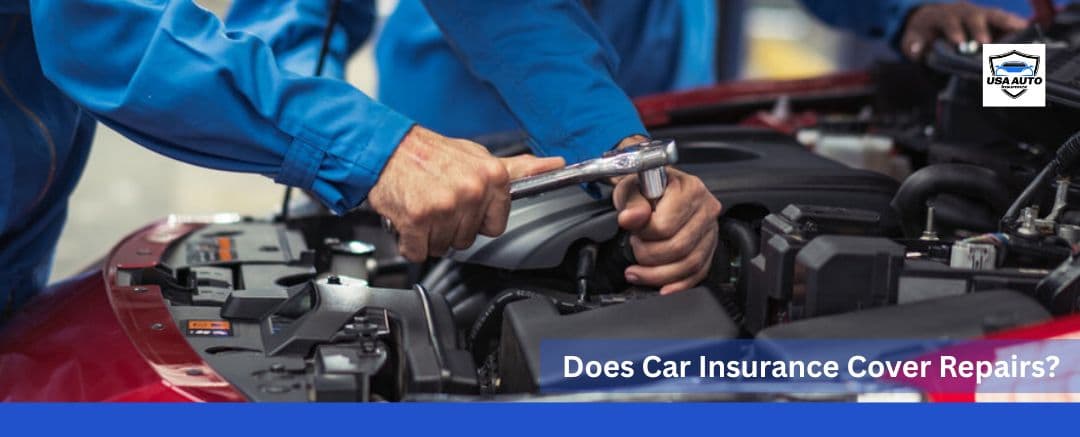
Does Car Insurance Cover Repairs?
Yes, car insurance does cover repairs, but only if it's required to pay for damages that have occurred due to an accidental collision or unexpected events listed on your policy. If you need to repair your car due to gradual wear and tear or a manufacturer’s defect, then your auto insurance policy won’t cover the repair expenses.
Even if your car is damaged in an accident, insurance will only pay for repairs if you have the right type of coverage. The coverage that applies depends on how the damage happened.
Whether you’re shopping for auto insurance or getting ready to file a claim, it’s essential to understand how car insurance covers damages and under what circumstances. This guide provides a detailed breakdown to help you understand how car insurance works in covering car repairs.
How Does Car Insurance Cover Repairs?
The way car insurance covers repairs depends on your choice of coverage and its limits. There are specific car insurance coverages to pay for your vehicle’s repair expenses, which makes it essential to have them in your auto insurance policy.
While some coverages are specifically designed to pay for damage to your car, others only cover the accidental damage you cause to other people. Let’s take a close look at each of these essential coverages to understand how they cover car repairs.
If you’re looking for a reliable insurance provider that offers an affordable car insurance policy to cover car repairs with an extensive coverage option within your budget, you should explore USA Auto’s insurance solutions.
Liability Coverage
If you end up accidentally hitting another car, and if you’re at fault for the accident, then your liability coverage will pay for the other driver’s vehicle repair expenses. It is important to keep in mind that the liability coverage is specifically designed to cover the other driver’s car repair costs. So, if your car also gets damaged in the accident, it won’t be covered by liability coverage.
Collision Coverage
The collision coverage will cover your car’s accidental damage repairs when your car accidentally hits another vehicle or object. Whether you’re at fault for the accident or not, the collision coverage will pay your car repair expenses up to your coverage limits after you pay your deductibles. This also covers hit-and-run incidents or any accidental impact, even while your car is safely parked.
Comprehensive Coverage
Comprehensive coverage helps pay for damage to your car caused by events other than a collision. This includes unexpected events like vandalism, theft, fire, falling objects, animal strikes, and natural disasters such as floods, earthquakes, or severe storms.
These repairs are typically covered up to your policy limits after you pay your deductible. In simple terms, comprehensive coverage protects your car from non-collision damage that’s usually beyond your control.
When Does Car Insurance Cover Repairs?
Now that you know which types of coverage pay for car repairs, the next step is understanding when those coverages apply. Car insurance typically helps cover repair costs when the damage is caused by a covered event listed in your policy, which includes the following situations explained below.
- Accidents where you’re at fault: Your liability coverage helps pay for the other driver’s vehicle repairs, while your collision coverage helps pay for damage to your own car.
- Accidents caused by another driver: The at-fault driver’s liability coverage generally pays for your repairs; if they’re uninsured or underinsured, your uninsured/underinsured motorist coverage will cover the repair costs (if available), otherwise your collision coverage will handle the repair expenses.
- Single-vehicle crashes: Collision coverage applies if you hit a tree, pole, fence, or other object.
- Hit-and-run incidents: Collision coverage pays to cover car repair costs when the other driver can’t be identified in a hit-and-run accident.
- Theft or vandalism: Comprehensive coverage pays your car’s repair costs if it's damaged due to break-ins, theft, or intentional damage caused by vandalism.
- Weather-related damage: Comprehensive coverage applies when your car needs repairs obtained from damages due to storms, hail, flooding, earthquakes, and other natural events.
- Animal strikes: Comprehensive coverage helps pay for repairs if you accidentally hit a deer or any other animal while driving. It also covers damages if an animal suddenly hits your car and damages, it while it's parked.
- Damage from Falling Objects: If a tree branch accidentally falls and damages your car, or if it gets hit by a rock or any debris, the comprehensive insurance will pay for your car's damage repairs.
When Does Car Insurance Not Cover Repairs?
While car insurance covers repair costs in various situations, there are conditions that exclude coverage, as car insurance is typically a financial safety net to cover repair costs from accidental damage.
So, it won’t cover any repair costs if you claim insurance for routine maintenance, gradual wear and tear, sudden engine breakdown, intentional damage, or any manufacturer’s defect.
These costs are usually your responsibility unless they’re covered under a warranty or service plan. However, as the above-mentioned situations are not accidents or unexpected damages that you can’t prevent, your car insurance policy will not apply in these cases.
How to File a Car Insurance Claim for Repairs?
If your car is damaged in an accident, you’ll need to file an insurance claim to help cover the repair costs. Here’s a step-by-step guide to filing a claim, whether your insurer pays the repair shop directly or reimburses you afterward.
File a Car Insurance Claim for Damage Repairs
After a car accident, your first step is to file an insurance claim so your repair costs can be covered under your policy. You can usually submit a claim through your insurer’s mobile app or online portal by providing details about the accident along with supporting evidence such as photos, videos, and a police report if it’s available.
If you can’t access the online portal, you can also file a claim by calling or emailing your insurer or by visiting a local office in person.
Get a Repair Estimate from the Auto Repair Shop
The next step is to get a repair estimate from an auto repair shop. Your insurer may recommend one of their approved or network repair shops, and you can take your car there to receive an estimate.
Getting an estimate from a shop your insurer already trusts can sometimes help speed up the claim review process. However, if you prefer a different repair shop, you can usually choose your own and still have the repair costs covered.
Pay Your Deductibles (if any)
If your policy includes a deductible, you’ll need to pay that amount out of pocket before your insurance covers the remaining repair costs. Once your deductible is paid to the repair shop, your insurer will cover the rest of the approved expenses up to your policy limits.
For example, if your deductible is $500 and the total repair cost is $5,000, you would pay the first $500, and your insurer would pay the remaining $4,500 (up to your coverage limits).
Work With the Assigned Insurance Adjuster
After filing an insurance claim, an adjuster will be assigned to verify the legitimacy of the claim. Insurance claims are carefully verified to prevent fraudulent claims due to common insurance scams.
According to the Coalition Against Insurance Fraud, 10% of property-casualty insurance claims are fraudulent, and every year the US insurance industry incurs a loss of at least $308.6 billion.
Don’t worry, as long as your claim is legit, your policy will cover the repair expenses. So, to speed up the insurance audit process, it is recommended that you cooperate with the adjuster and provide any documents or evidence they request, such as photos, repair estimates, or a police report.
Get Your Car Repaired with Your Auto Insurance Coverage
Once your insurance claim gets approved by your insurer, your auto insurance policy will cover your car’s repair expenses. Depending on your situation, you can either have the insurer directly pay the repair costs to the auto repair shop.
Or, if there’s an urgency, you can pay the repair expenses upfront and get reimbursed afterwards by your auto insurance policy. However, if your car gets damaged to the point that it's beyond repair and is declared a total loss, your insurer will typically pay you the actual cash value of the car instead of covering repairs.
The Bottom Line: Make Sure Your Coverage Protects Your Repair Costs
It’s important to keep in mind that you need to choose the right coverage with adequate limits to get your car repair expenses covered by your auto insurance policy.
If you just have the liability coverage based on your state requirement, only the other driver’s vehicle repair expenses will be covered. If you need auto insurance to cover your own car’s repair costs, you will have to get collision and comprehensive coverage.
So, this makes it crucial to ensure that you have the right auto insurance coverage to cover car repair costs, whether it is to compensate the other driver, or to pay your own vehicle’s repair costs.
If you’d like advice or you’re interested in purchasing car insurance that covers repair costs, contact us today for a free quote.
Frequently Asked Questions (FAQs)
Does car insurance cover you for repairs?
Yes, car insurance can cover repair costs, but it depends on the type of coverage you have and how the damage happened. Liability coverage only pays for damage you cause to someone else’s vehicle. To have your own car repairs covered, you typically need collision coverage for accident damage and comprehensive coverage for things like theft, vandalism, fire, or weather-related damage.
Does car insurance cover repair costs?
Yes, but it depends on the coverage you have and who’s at fault. Liability insurance pays for the other driver’s repairs if you cause the accident. If the other driver is at fault, their liability coverage usually pays for your repairs first. If they’re uninsured or underinsured, your UM/UIM coverage (if included in your policy) may help. To have your own repairs covered regardless of fault, you’ll need collision coverage, and comprehensive coverage applies to non-collision damage like theft, vandalism, or weather events.
Does liability insurance cover repairs to my car?
No, liability insurance only pays for damage you cause to someone else’s vehicle or property. To repair your own car, you’ll need collision or comprehensive coverage.
Does car insurance cover repairs from theft or vandalism?
Yes, if you have comprehensive coverage. It helps pay for repairs caused by theft, vandalism, fire, weather, animal strikes, and other non-collision events.
Will I have to pay a deductible for repairs?
Usually, yes. Collision and comprehensive claims typically require you to pay your deductible first, and your insurer covers the remaining approved repair costs up to your policy limits.
Tag :
auto insurance
Latest Blog
Does Car Insurance Cover Vandalism?
Yes, car insurance does cover vandalism, but only if you have comprehensive coverage. If you just have the basic liability coverage, your auto insurance policy won’t cover your car’s repair or replacement costs caused by vandalism.
What is a Deductible in Car Insurance?
A deductible in car insurance is the amount you agree to pay out of pocket toward a covered claim before your insurance provider pays the remaining costs.
Should I Have Collision Insurance on a 10-Year-Old Car in Michigan?
Yes, you may still want collision insurance on a 10-year-old car in Michigan. The vehicle's age alone does not determine whether the coverage is worth keeping.
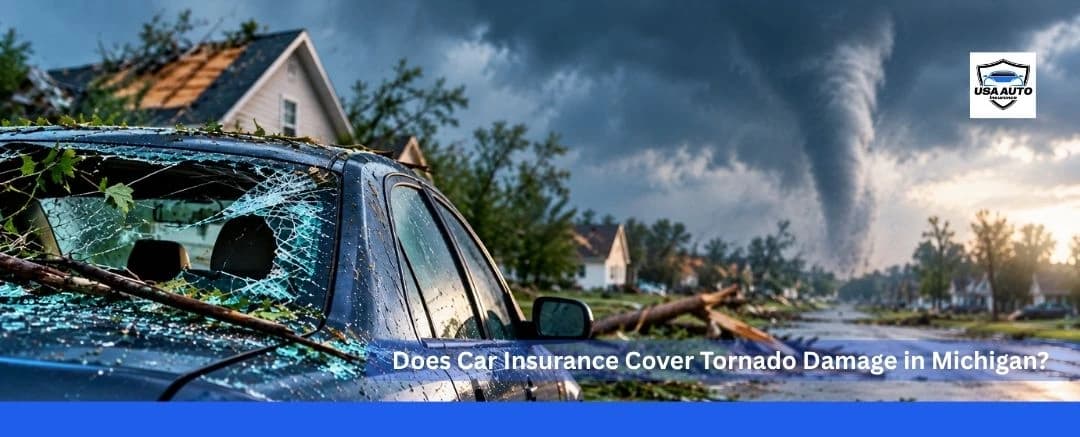
Does Car Insurance Cover Tornado Damage in Michigan?
Yes, car insurance can cover tornado damage in Michigan if you have comprehensive coverage. This optional coverage generally protects your vehicle from covered losses that do not result from a collision.
Can You Get Temporary Car Insurance?
Yes, you can get coverage for short-term driving needs, but probably not in the way you expect.
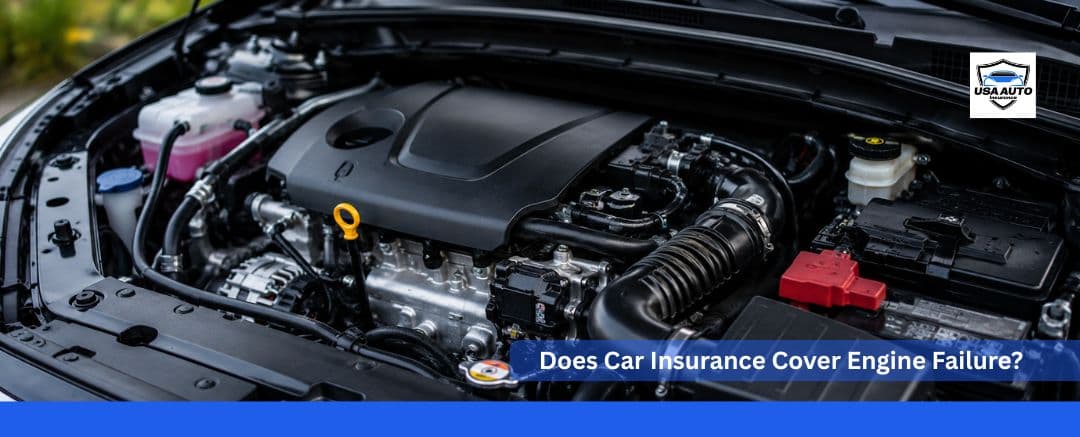
Does Car Insurance Cover Engine Failure?
Generally, no. Standard auto insurance doesn't cover engine failure caused by mechanical breakdown, normal wear and tear, or poor maintenance.

USA Auto Insurance
USA Auto is a licensed Managing General Agent (MGA) providing auto insurance policies underwritten by USA Underwriters Insurance Company.
Support
Copyright © USA Auto
Built by Neutrix | Powered by Neutrix Systems