December 4, 2025
Car Insurance Coverage
What Is Gap Insurance and What Does It Cover in Michigan?
If you’re buying or financing a vehicle in Michigan, understanding how gap insurance works can help you determine whether you may need protection against owing more than your car is worth. It always feels intensely exciting to buy a new car. However, the sad truth is that the moment you drive it off the lot, it starts depreciating. According to Kelley Blue Book, most new vehicles drop about 30% in value within two years. If you're financing or leasing, that can leave you owing more than the car is worth. That’s where gap insurance comes in. It helps cover the difference.
GAP insurance (short for Guaranteed Asset Protection) is an optional optional product that bridges the difference between your car’s actual cash value and what you still owe on your car loan or lease if the vehicle is stolen or totaled. If you don’t carry it on a financed or leased vehicle, you might end up paying thousands of dollars out of pocket for a car you no longer have.
Keep reading to learn what automobile gap insurance is, why you might need it, how it works, what it does and doesn’t cover, when it makes sense, how much it costs, and whether it’s worth buying.
Key Takeaways: Gap Insurance for Cars
If you’re not into reading a long article, read the most important points from this article:
- Gap insurance covers the difference between the loan balance and your car’s actual cash value (ACV) after a total loss or theft. In Michigan, DIFS distinguishes GAP insurance from GAP waivers, so the specific terms depend on the product you purchase.
- It’s most useful during the early years of a car loan or lease when your car depreciates faster than your payments reduce the debt.
- Gap coverage is generally optional. A lender or dealer may offer GAP insurance or a GAP waiver, but Michigan consumers should check their financing or lease agreement to determine whether any GAP product is required.
- It does not cover vehicle repairs, injuries, engine failure, or extras like extended warranty and late loan fees.
- The cost of GAP can vary depending on the provider, vehicle, loan or lease terms, and coverage. The CFPB recommends comparing prices and coverage before purchasing GAP.
- You may be able to buy GAP protection from an insurance company, dealer, lender, or other provider, depending on the product and your loan or lease.
- Review your GAP coverage as your loan balance decreases and check the terms of your policy or agreement for cancellation and refund provisions.
- Gap coverage can be particularly relevant for drivers who make a small down payment, finance for a longer term, or roll negative equity from a previous vehicle into a new loan.
Why You May Need Gap Insurance on a Car?
According to the Insurance Information Institute (III), here’s when you might need gap insurance coverage for your car in Michigan:
- You made a small down payment (less than 20%)
- You’re on a long financial plan (60 months or more)
- You’re leasing a vehicle (often required by lenders)
- You rolled over negative equity from a previous loan
- You bought a car that depreciates faster than average
If you need gap insurance along with a full coverage car insurance policy for a financed vehicle, please contact USA Auto today. We can help you explore affordable car insurance options nationwide, including options for Michigan drivers. Get your auto insurance quote online or call us at (866) 855-1872.
How Does Gap Insurance Work?
As we said, cars can depreciate faster than most people expect. Within the first few years, a new car can lose a significant portion of its value. It becomes a problem if you still owe more on your car loan than your vehicle’s worth. If your car is stolen or totaled after an accident, your standard auto insurance pays only the actual cash value (ACV), not the amount you still owe.
In this scenario, gap insurance will pay the difference between what your auto insurance pays for a totaled or stolen car and the remaining loan amount you still owe your lender, subject to the terms of your GAP coverage.
Let’s say you financed a new SUV for $30,000. After two years, with 30% depreciation, its ACV drops to $21,000. You still owe $27,000 on your car loan. In this case, the insurance company will only pay the ACV ($21,000), and the remaining $6,000 loan amount has to be paid out of pocket unless you have gap insurance.
Please see the following table to get a clear idea of it:
| Situation |
Without Gap Insurance |
With Gap Insurance |
| Loan Balance |
$27,000 |
$27,000 |
| Insurance Payout (ACV) |
$21,000 |
$21,000 |
| Remaining Gap |
$6,000 (out of pocket) |
$0 (gap covers it) |
If you’re financing for 60 months or longer or rolled old debt into a new loan, you may have a larger gap between what you owe and what your vehicle is worth. In such a case, a serious accident or theft could lead to years of payments on a vehicle that’s already gone. That’s why buying gap insurance on financed cars is so important.
What Does Gap Insurance Cover in Michigan?
Gap insurance may help cover the remaining balance on a car loan or lease after a covered total loss, depending on the terms and limits of the coverage. If your car is stolen or totaled, your standard collision coverage or comprehensive coverage pays the ACV. Your gap coverage then may pay the remaining balance, depending on the terms and limits of your coverage, so you’re not left with negative equity. For Michigan drivers, the Michigan Department of Insurance and Financial Services (DIFS) distinguishes GAP insurance from GAP waivers, so it’s important to understand which type of GAP product you have.
Here's what gap insurance for cars typically covers for you:
- The “gap” between the insurer’s payout and your outstanding balance.
- Some policies may also cover your deductible, reducing out-of-pocket costs.
- Coverage applies whether the loss is from an accident or theft.
- The amount covered is subject to the policy’s terms and limits.
Kindly note that gap insurance doesn’t extend to repairs, extended warranty costs, or anything outside the loan balance. It is purely a financial safeguard against owing money on a car you can no longer drive.
What Does Gap Insurance Not Cover?
For Michigan drivers, the specific exclusions can vary depending on the GAP insurance policy or GAP waiver agreement.
Here's what gap insurance doesn’t cover:
- Vehicle repairs after an accident
- A down payment on a replacement car
- Extended warranty costs or services contracts
- Rental car fees while you wait for settlements
- Overdue payments, late fees, or finance charges
- Negative equity from unpaid extras like balloon payments or add-ons
- Damage to property or injuries caused in a crash
- Mechanical or engine failure
When Should You Consider Gap Insurance?
You don’t need gap coverage forever. It’s most valuable for newer vehicles purchased on loans. You should consider keeping it during the early years of a car loan or lease, when your vehicle depreciates faster than payments reduce the balance.
Consider gap insurance if:
- You’re financing a new car and will owe more than its actual cash value (ACV) for the first few years.
- You’ve taken a loan term of 60 months or longer, which slows down how quickly you build equity.
- You bought a vehicle known to lose value quickly, like many luxury or high-mileage models.
- You’re leasing; most lease contracts require gap protection.
- You rolled old debt. Into your new auto insurance loan, creating negative equity from the start.
Also, review your GAP coverage as your loan balance decreases and compare it with your car’s ACV. If you no longer have a gap, check your policy or agreement to see whether you can cancel the coverage and whether you may be eligible for a refund. Depending on the coverage, you may be eligible for a refund if you sell, refinance, or pay off your loan early.
How Much Does Gap Insurance Cost in Michigan?
The cost of gap insurance coverage depends on where you buy it and your personal situation. On average, it’s fairly inexpensive if added through an insurance company, but more costly if purchased at a dealership or through a lender.
According to WalletHub, gap insurance in Michigan costs an average of $2 to $30 per month, depending on whether you purchase it from a dealership, car manufacturer, or insurance provider.
The cost can also vary by provider. WalletHub reports that GAP coverage from a car manufacturer or dealership or lender can cost $200 to $700 total, while adding GAP coverage to an existing car insurance policy may cost $20 to $40 per year.
Several factors can affect gap insurance cost, regardless of where you buy it:
- Type of vehicle: Cars that depreciate faster or luxury vehicles may increase the premium.
- Loan or lease terms: Longer financing terms can affect the cost of GAP coverage.
- Loan balance vs. actual cash value (ACV): The size of the potential gap can affect the coverage needed.
- Where you buy coverage: The price can vary between insurers, dealers, lenders, and other providers.
Where Can I Purchase Gap Insurance?
You have a few options when it comes to buying gap insurance. The cost and terms vary depending on where you get it, so comparing providers can help you find coverage that fits your needs.
- Auto Insurance Companies: Most major insurance companies offer gap insurance coverage as an add-on to your existing auto insurance policy. This can be a lower-cost option than purchasing GAP coverage through a dealership or lender.
- Car Dealerships: Dealerships also sell gap protection at the time of purchase or lease. Although it’s convenient, it’s usually more expensive. The premium may be added to your car loan, so you may end up paying interest on it as well.
- Banks and Finance Companies: Some lenders offer gap coverage when you finance directly with them. These are sometimes structured as “waivers” instead of insurance policies. In Michigan, GAP waivers may have different terms and requirements than GAP insurance.
- Independent Insurers or Brokers: Certain insurers and brokers sell standalone gap insurance policies. This can be a good option if your regular auto insurance company doesn’t provide it.
Is Gap Insurance Worth It?
It depends on your situation regarding an auto loan. Gap insurance may be worth considering if you’re driving a newer financed vehicle that depreciates more quickly than you pay it off, or if you’ve made a low down payment on your car loan. In these situations, there’s a risk of ending up with negative equity.
Although gap insurance is not required by Michigan law, many drivers still find it valuable. A single accident can result in a total loss situation, or your vehicle could simply be stolen and never recovered. In that case, you might have to continue paying off a loan for a vehicle you no longer have. Having gap insurance in this scenario could help cover some or all of the remaining loan balance, depending on the terms of your coverage.
On the other hand, if you’ve built enough equity, that means your car loan balance is lower than the actual cash value, so you don’t need gap insurance protection anymore. In that case, continuing the coverage may add to your costs without providing much additional protection.
The Bottom Line
Auto gap insurance is a simple yet powerful safety net. It won’t fix your car or cover everyday expenses, but it can protect you from being stuck with debt or in an underwater loan situation after a total loss.
If you’re a Michigan driver considering gap insurance, connect with a local USA Auto agent to explore your auto insurance options and find coverage that fits your situation.
Frequently Asked Questions (FAQs) About Gap Insurance Coverage
Can you get gap insurance after you buy a car?
Yes, many insurers allow you to add gap coverage after purchase, but restrictions apply. Some require you to be the original owner and the vehicle to be only a few model years old. It’s best to ask your insurance company soon after financing.
Is GAP insurance mandatory?
No, gap insurance is not required by Michigan law, but many leasing companies make it mandatory in lease contracts. Lenders may also require it for certain car loans, especially if you made a small down payment or rolled over negative equity from a previous loan.
How long does gap insurance last?
Gap Protection lasts until your car loan balance is lower than the vehicle’s actual cash value (ACV). The timing varies depending on your loan balance, vehicle depreciation, and the terms of your GAP coverage. At that point, you can cancel the policy if permitted under your coverage terms and may be eligible for a refund of unused coverage.
What’s the maximum payout from gap insurance?
The maximum payout varies by policy and provider. The policy covers only the gap amount, not penalties, overdue charges, or extras. Always check your insurance policy for specific payout limits before buying gap protection.
When does gap insurance not pay?
Gap insurance coverage won’t pay for late fees, missed payments, balloon charges, or extras like extended warranty costs. It also doesn’t cover vehicle repairs, injuries, or engine failure. It only applies when your car is declared a total loss or stolen, subject to the terms of your coverage.
Does gap insurance cover engine failure?
No. Gap insurance does not cover mechanical issues or engine failure. It only pays the difference between your auto insurance payout and the remaining loan balance after your car is stolen or declared a total loss, subject to the terms of your GAP coverage. Repair bills are your responsibility.
Can I cancel gap insurance and get a refund?
Yes. If you pay off your loan, sell the car, or refinance, you can usually cancel your gap coverage. Many providers refund the unused portion of the premium. Contact your insurance company or lender directly to start the cancellation process.
Tag :
auto insurance
Latest Blog
Does Car Insurance Cover Vandalism?
Yes, car insurance does cover vandalism, but only if you have comprehensive coverage. If you just have the basic liability coverage, your auto insurance policy won’t cover your car’s repair or replacement costs caused by vandalism.
What is a Deductible in Car Insurance?
A deductible in car insurance is the amount you agree to pay out of pocket toward a covered claim before your insurance provider pays the remaining costs.
Should I Have Collision Insurance on a 10-Year-Old Car in Michigan?
Yes, you may still want collision insurance on a 10-year-old car in Michigan. The vehicle's age alone does not determine whether the coverage is worth keeping.
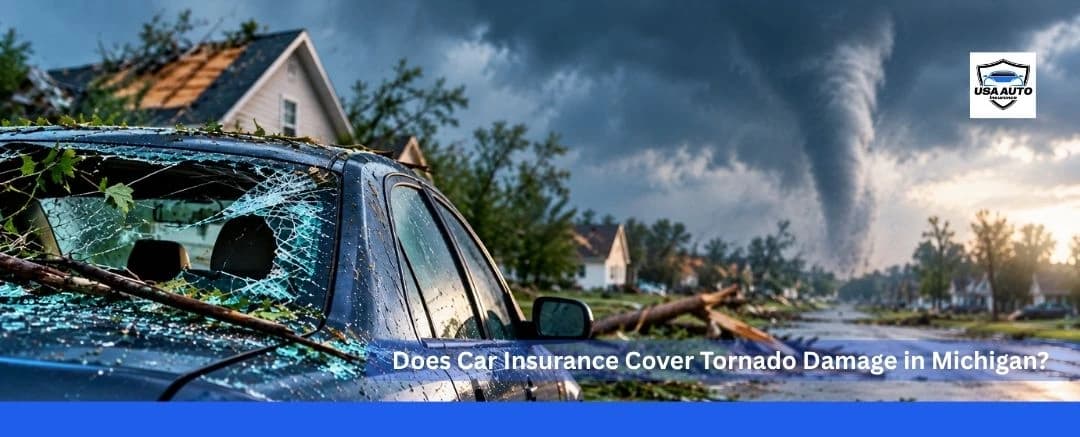
Does Car Insurance Cover Tornado Damage in Michigan?
Yes, car insurance can cover tornado damage in Michigan if you have comprehensive coverage. This optional coverage generally protects your vehicle from covered losses that do not result from a collision.
Can You Get Temporary Car Insurance?
Yes, you can get coverage for short-term driving needs, but probably not in the way you expect.
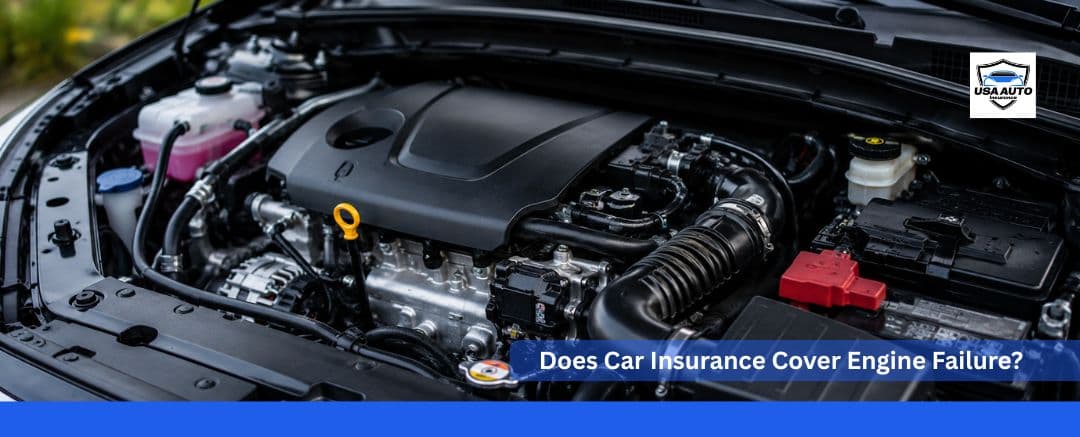
Does Car Insurance Cover Engine Failure?
Generally, no. Standard auto insurance doesn't cover engine failure caused by mechanical breakdown, normal wear and tear, or poor maintenance.

USA Auto Insurance
USA Auto is a licensed Managing General Agent (MGA) providing auto insurance policies underwritten by USA Underwriters Insurance Company.
Support
Copyright © USA Auto
Built by Neutrix | Powered by Neutrix Systems