December 2, 2025
Car Insurance Coverage
What Is Comprehensive Auto Insurance in Michigan?
Comprehensive auto insurance is an optional coverage designed to protect Michigan drivers from incidents other than collisions. If your vehicle is stolen or damaged by animals, fallen objects, fire, vandalism, or any natural disasters such as storms, hail damage, earthquakes, or floods, comprehensive insurance will pay for the repair. To put it simply, it’s designed to protect your vehicle from risks you can’t always predict or avoid on the road.
Although this type of insurance is optional under Michigan law, lenders usually require it along with collision and liability insurance to protect their investment. Because if your leased or financed car is stolen and can’t be recovered, then comprehensive coverage may help pay for the vehicle’s loss, subject to the policy’s terms, limits, and deductible.
So, it’s important to understand what comprehensive insurance covers and what it doesn’t, so that you can decide if it’s right for your situation. In this article, we’ll break down how it works, its costs, and when keeping it makes sense.
How Does Comprehensive Car Insurance Work?
Comprehensive insurance works by covering damage to your vehicle from non-collision events. You file a claim, pay your comprehensive deductible, and your insurer pays the rest up to your policy limit.
So what’s a comprehensive deductible? It’s similar to any regular auto insurance deductible. This is the amount you pay out of pocket before coverage kicks in. A higher deductible usually lowers your premium, but it also means more cost at claim time.
Comprehensive coverage pays up to the actual cash value of your vehicle. That’s the market value minus depreciation, not what you originally paid for the car.
For example, if hail dents your roof, you pay the deductible. The insurance company then covers the repair or replacement, but only up to the car’s current value.
This setup helps drivers manage risks. You’re not left paying for major damage alone, but you also balance how much you’re willing to pay upfront versus through monthly premiums.
What Does Comprehensive Auto Insurance Cover?
Comprehensive insurance protects your car from risks that don’t involve a crash with another vehicle. It’s designed for the unexpected, the “what if” situation that can happen anytime.
Here's what it usually covers:
- Theft: If your vehicle is stolen or parts are taken.
- Vandalism: damage caused by someone intentionally harming your car.
- Fire: Protection if your car is damaged or destroyed by fire.
- Covered weather-related events: coverage for floods, hail, storms, and other covered weather-related damage, depending on your policy.
- Falling objects: trees, branches, ice, or debris damaging your vehicle.
- Animal damage: accidents involving deer, moose, or other wildlife.
- Glass and Windshield: repair or replacement for cracked or shattered glass (some insurers may require you to carry glass coverage for this)
Looking for an affordable auto insurance agency in Michigan? Whether you need comprehensive, collision, or full coverage auto insurance, USA Auto can help you explore car insurance options and enjoy driving confidently.
What Comprehensive Insurance Doesn’t Cover?
Comprehensive coverage protects against many risks, but it doesn’t cover every situation. Understanding these exclusions is just as important as knowing what the policy covers.
Here's what it doesn’t cover:
- Collision Coverage: Damage from a crash with another car or object is handled by collision insurance, not comprehensive.
- Medical Expenses: Injuries are not covered by comprehensive insurance. In Michigan, injury-related coverage is primarily addressed through personal injury protection (PIP) and liability coverage, depending on the circumstances.
- Property damage: Damage to another person’s property is generally handled by Property Protection Insurance (PPI) or liability coverage, depending on the type of damage and circumstances..
- Wear and Tear: Routine issues like old tires, worn brakes, or engine breakdowns aren’t included.
- Mechanical Failure: Comprehensive doesn’t pay for transmission repairs or other system failures.
- Intentional Damage: Losses caused on purpose by the driver are excluded.
- Commercial Auto Use: Damage while using your car for business may require a separate commercial auto policy.
- Driving Outside Policy Terms: If your insurance policy excludes certain risks or drivers, those won’t be covered.
Is Comprehensive Car Insurance Required?
Comprehensive car insurance is not required by Michigan law. Michigan drivers are required to carry certain no-fault coverages, including Personal Injury Protection (PIP), Property Protection Insurance (PPI), and liability insurance for bodily injury and property damage.
However, lenders and leasing companies usually require comprehensive coverage if you finance or lease a vehicle. It protects their investment by making sure the car can be repaired or replaced after theft, fire, or other covered losses.
If you own your car outright, carrying comprehensive insurance is optional for you. So, the choice depends on your car’s value, your budget, and how much risk you’re willing to accept.
What Is the Difference Between Comprehensive and Collision Insurance?
The main difference comes down to how the damage happens. Comprehensive coverage pays when your vehicle is damaged by events like theft, fire, hail, or hitting an animal. Collision coverage pays when your car is damaged in a crash, whether you hit another car, a tree, or roll over.
Together, they protect against very different risks. Comprehensive covers certain non-collision losses, while collision covers damage caused by a crash or rollover.
Here's a quick comparison table: Comprehensive vs. Collision in Michigan
| Feature |
Comprehensive Insurance |
Collision Insurance |
| What It Covers |
Theft, fire, vandalism, covered weather-related events, falling objects, and animal damage |
Damage from crashing into another vehicle or object |
| Common examples |
Hail dents your hood |
You back into a pole |
| Required by law? |
No. Optional coverage |
No. Optional coverage |
| Required by lender? |
Often required for financed or leased cars |
Often required for financed or leased cars |
| Pays Up to |
Actual cash value of your vehicle |
Actual cash value of your vehicle |
Comprehensive and collision are separate coverages, but many Michigan drivers carry both to protect their vehicles from different types of damage. Learn more about different types of car insurance coverage!
Do You Need Comprehensive Insurance in Michigan?
You may need comprehensive insurance if your car still holds significant value or if it’s financed or leased. Lenders usually require it to protect their investment.
If you own your car outright, the decision is yours. Consider whether you could afford to pay for a major covered loss, such as theft, fire, or weather-related damage, without insurance.
For Michigan drivers, your decision should also take into account the cost of the coverage compared with your vehicle’s actual cash value. If the potential payout would be relatively small, comprehensive coverage may provide less financial value.
Pros and Cons of Having Comprehensive Insurance
Comprehensive insurance adds strong protection, but it also comes with extra cost. Here’s a quick look:
| Pros |
Cons |
| Covers theft, fire, vandalism, and covered weather-related events |
Adds to your premium |
| Protects against unpredictable risks |
A deductible generally applies to covered claims |
| Often required if you lease or finance |
Limited to your car’s actual cash value |
| Peace of mind knowing your car is covered |
May not be worth it for older, low-value cars |
Takeaway: Comprehensive is valuable if your car has significant worth, but less useful if it doesn’t.
So, How Much Does Comprehensive Auto Insurance Cost?
The cost of comprehensive auto insurance in Michigan varies based on factors such as your vehicle, deductible, location, driving history, and insurance company. Because comprehensive coverage is often included with collision coverage in full-coverage policies, published Michigan rate estimates typically show the combined cost of these coverages rather than comprehensive coverage alone.
Vehicle Value: Newer or higher-value cars cost more to insure because repairs or replacement are more expensive.
- Location: Areas with higher rates of theft, vandalism, or extreme weather increase premiums.
- Deductible Choice: A higher deductible lowers your premium, but you’ll end up paying more out of pocket if you file a claim.
- Driving History: A clean record often means lower rates, while multiple claims or accidents can raise costs.
- Insurance Company: Each insurance company uses its own formulas to calculate risk and set prices.
- Coverage Package: If bundled with collision coverage or other policies, you may get discounts.
So, When Should You Get Comprehensive Car Insurance in Michigan?
Comprehensive insurance may be worth considering when the financial risk of losing or repairing your vehicle would be difficult to handle on your own.
You should consider comprehensive coverage when:
- Your car is newer or still has significant market value.
- Your vehicle is financed or leased, and the lender requires comprehensive coverage.
- You live in an area where theft, vandalism, or severe weather could pose a greater risk.
- You park on the street or in another location where your vehicle may be more exposed to damage.
- You couldn’t comfortably afford to replace your car out of pocket after a covered loss.
- You want additional protection against risks that aren't covered by collision insurance.
When to Drop Comprehensive Auto Insurance in Michigan?
Comprehensive coverage doesn’t make sense forever. At some point, the cost of the premium may outweigh the potential payout. You may want to drop comprehensive insurance if:
- Your car’s actual cash value is close to or lower than your annual premium plus deductible.
- Your vehicle is older and has a relatively low actual cash value compared with the cost of maintaining the coverage.
- You could comfortably afford to replace your car without insurance money.
- You’re focused on reducing expenses, and the coverage no longer offers enough benefits.
- As a general rule, consider the cost of your comprehensive coverage, deductible, and vehicle’s actual cash value when deciding whether to keep the coverage. If the potential benefit no longer justifies the cost, you may decide to drop it.
Is Comprehensive Auto Insurance Worth It?
Whether comprehensive insurance is worth, it depends on the balance between your vehicle’s actual cash value, the cost of coverage, and your ability to absorb a major loss yourself.
For Michigan drivers, comprehensive coverage may provide useful financial protection when replacing or repairing the vehicle would be difficult to afford out of pocket. However, if your car has a low actual cash value, the premium and deductible may outweigh the potential benefit.
The key is to compare what you pay for the coverage with what you could realistically receive after a covered loss.
Frequently Asked Questions (FAQs)
Is comprehensive insurance the same as full coverage car insurance?
No. Full coverage usually means you have liability, collision, and comprehensive combined in one auto policy. Comprehensive coverage on its own only covers non-collision damage, like theft, fire, or hail.
Should I carry comprehensive insurance for an older vehicle?
It depends. For Michigan drivers, the decision often comes down to the vehicle’s actual cash value, the cost of coverage, and whether you could afford to replace the vehicle yourself. If your car has a relatively low actual cash value, the potential payout may not justify the premium and deductible.
How do I know if I have comprehensive auto insurance?
Check your insurance policy documents or call your insurance company. Comprehensive will be listed separately from collision and liability coverage.
When should you drop both comprehensive and collision insurance?
Michigan drivers may consider dropping both coverages when their vehicle’s actual cash value is low enough that the potential insurance payout may not justify the cost of the premiums and deductibles. Your ability to pay for repairs or replace the vehicle out of pocket should also factor into the decision.
Can I purchase both comprehensive and collision insurance?
Yes. Michigan drivers can purchase both comprehensive and collision coverage. Together, they protect your vehicle against different types of losses, including covered weather-related damage and crash-related damage.
Tag :
auto insurance
Latest Blog

Does Car Insurance Cover Vandalism?
Yes, car insurance does cover vandalism, but only if you have comprehensive coverage. If you just have the basic liability coverage, your auto insurance policy won’t cover your car’s repair or replacement costs caused by vandalism.
What is a Deductible in Car Insurance?
A deductible in car insurance is the amount you agree to pay out of pocket toward a covered claim before your insurance provider pays the remaining costs.
Should I Have Collision Insurance on a 10-Year-Old Car in Michigan?
Yes, you may still want collision insurance on a 10-year-old car in Michigan. The vehicle's age alone does not determine whether the coverage is worth keeping.

Does Car Insurance Cover Tornado Damage in Michigan?
Yes, car insurance can cover tornado damage in Michigan if you have comprehensive coverage. This optional coverage generally protects your vehicle from covered losses that do not result from a collision.
Can You Get Temporary Car Insurance?
Yes, you can get coverage for short-term driving needs, but probably not in the way you expect.
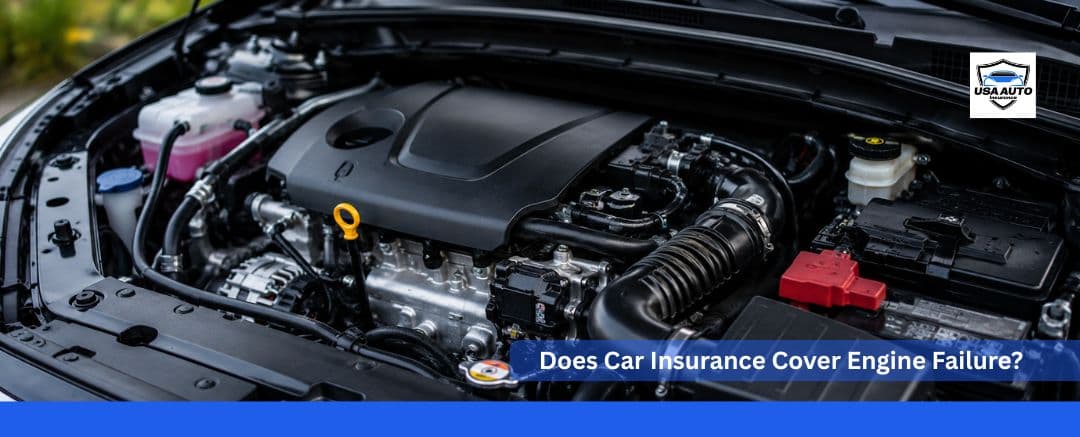
Does Car Insurance Cover Engine Failure?
Generally, no. Standard auto insurance doesn't cover engine failure caused by mechanical breakdown, normal wear and tear, or poor maintenance.

USA Auto Insurance
USA Auto is a licensed Managing General Agent (MGA) providing auto insurance policies underwritten by USA Underwriters Insurance Company.
Support
Copyright © USA Auto
Built by Neutrix | Powered by Neutrix Systems