August 10, 2026
Car Insurance Coverage
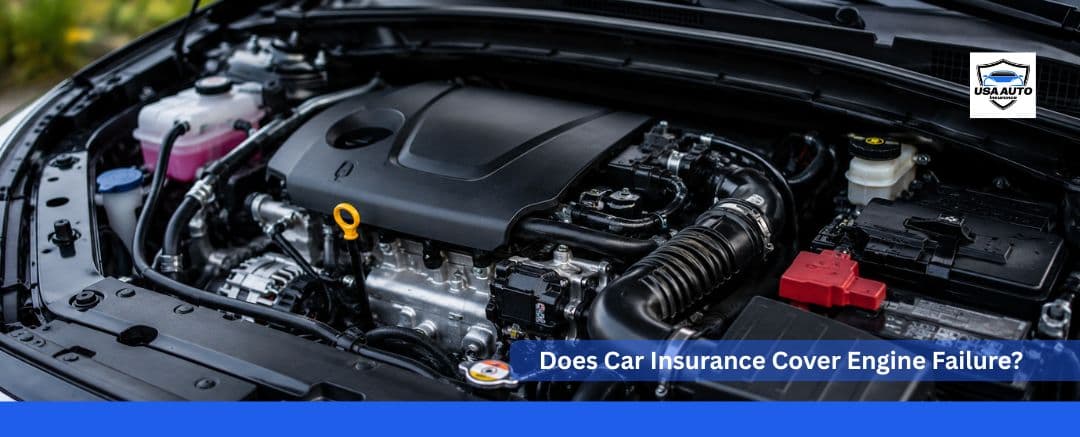
Does Car Insurance Cover Engine Failure?
Generally, no. Standard auto insurance doesn't cover engine failure caused by mechanical breakdown, normal wear and tear, or poor maintenance. However, if your engine is damaged during a covered accident or another insured incident, your collision or comprehensive coverage may help pay for repairs or replacement if you carry the appropriate optional coverage.
Because engine repairs can cost thousands of dollars, it's important to understand what your insurance policy covers before you file a claim. Many drivers assume that having "full coverage" means every type of engine damage is protected. Unfortunately, that's not always the case.
In this article, we'll explain when car insurance may cover engine failure, when it won't, the types of coverage that may apply, and what drivers should know before filing a claim. Keep reading to learn how the right coverage can help you avoid unexpected repair costs.
Does Car Insurance Cover Engine Failure in Michigan?
Michigan generally follows the same insurance principles as other states when it comes to engine failure. In Michigan, whether engine damage is covered depends on the circumstances of the loss and the coverages included in your policy. If the engine is damaged by a covered accident or another insured event, your policy may help pay for repairs. However, damage caused by mechanical breakdown or routine maintenance issues is typically the owner's responsibility.
Is Engine Failure Coverage Different in Michigan Than Other States?
Not really. Michigan doesn't have special insurance rules that require insurers to cover engine failure caused by mechanical breakdown. Coverage decisions generally follow the same principles used across the country.
However, Michigan drivers should remember that state law requires drivers to carry auto insurance, while optional coverages like collision and comprehensive determine whether certain types of vehicle damage may be covered. Without these optional coverages, you'll likely have to pay damage to your own vehicle out of pocket.
According to the Michigan Department of Insurance and Financial Services (DIFS), every Michigan driver must carry the no-fault auto insurance coverage required by state law. However, collision and comprehensive coverage remains optional and provide protection for damage to your own vehicle in specific situations.
When Does Car Insurance Cover Engine Damage?
Engine damage is often one of the most expensive repairs a vehicle owner can face, especially when a replacement engine is required. According to J.D. Power, replacing an engine typically costs between $2,000 and $10,000, depending on the vehicle, engine type, labor costs, and the extent of the damage. Because repairs can be so expensive, it's important to understand which situations may qualify for an insurance claim. The table below outlines the most common causes of engine damage and the type of coverage that may apply.
Cause of Engine Damage | Coverage That May Apply | Why It May Be Covered |
Collision with another vehicle or object | Collision | Damage results from an accident involving your vehicle. |
Flood or water damage | Comprehensive | Flooding is considered a covered non-collision event. |
Fire | Comprehensive | Fire is typically listed as a covered peril under comprehensive coverage. |
Theft or attempted theft | Comprehensive | Covers damage caused during a covered theft-related incident. |
Vandalism | Comprehensive | Covers intentional damage caused by another person. |
Falling objects | Comprehensive | Covers damage caused by unexpected falling objects, such as tree limbs. |
Animal-related damage | Comprehensive | Covers damage caused by collisions with animals or certain animal-related incidents. |
Keep in mind that you'll generally need to pay your deductible before your insurance begins covering eligible repair costs. Coverage also depends on the terms and limits of your policy.
What Events Can Cause Covered Engine Damage?
While the table above shows when insurance may apply, understanding how these events damage your engine can help you better understand why a claim may be covered.
Collision
A serious collision can damage more than just your vehicle's exterior. The impact may crack the engine block, damage the radiator, bend cooling system components, or affect other parts beneath the hood. Depending on the severity of the accident, repairs could involve replacing individual components or installing a new engine.
Flooding
Floodwater can cause severe engine damage if it enters the air intake. This may lead to hydrolock, a condition that prevents the engine's internal components from moving properly and can result in extensive internal damage. In many cases, repairing a hydrolocked engine isn't practical, making engine replacement the more common solution.
Fire
Engine fires can damage wiring, hoses, sensors, belts, and other critical components under the hood. Even when the engine itself survives, the surrounding heat may damage nearby parts enough that they also require replacement.
Theft or Attempted Theft
Not every theft involves the entire vehicle. Thieves sometimes steal valuable engine components or damage the engine while attempting to access other parts of the vehicle. Once recovered, the vehicle may require extensive repairs before it's safe to drive again.
Vandalism
Intentional acts of vandalism can also damage your engine. Someone may cut wiring, tamper with engine components, pour contaminants into the fuel system, or damage parts under the hood. Because some damage may not be immediately visible, a professional inspection is often needed to identify the full extent of the problem.
Falling Objects
Tree limbs, construction debris, or other heavy objects can strike the front of your vehicle and damage the engine compartment. Storms and severe weather are common causes of this type of damage, especially when vehicles are parked outdoors.
Animal Damage
Animals can damage your vehicle in more than one way. A collision with a deer or another large animal may damage the radiator, cooling system, or engine compartment. Meanwhile, rodents often chew through electrical wiring, hoses, and insulation beneath the hood, which can lead to costly repairs if the damage isn't discovered early.
Although these events may result in covered engine damage, every claim is reviewed individually. Documenting the damage with photos and reporting the incident promptly can help support your claim.
When Doesn't Car Insurance Cover Engine Failure?
In most cases, car insurance won't pay for engine failure caused by mechanical problems or issues that develop over time. Insurance is designed to protect against sudden, unexpected losses, not the cost of maintaining your vehicle.
If an engine fails because of age, neglect, or a mechanical defect, you'll typically be responsible for the repair or replacement costs.
What Is Considered Mechanical Failure?
Mechanical failure happens when an engine or one of its components stops working because of an internal problem rather than an accident or another covered event.
Some common examples include:
- A failed timing belt or timing chain
- A broken piston or connecting rod
- A seized engine
- A failed oil pump
- A damaged crankshaft
- A faulty water pump that causes engine damage
- Internal component failure due to age
Since these issues develop from normal operation or mechanical wear, standard auto insurance generally doesn't cover them.
What Types of Engine Damage Are Usually Excluded?
Most auto insurance policies exclude engine damage resulting from the following situations.
Normal wear and tear
Every engine experiences wear as it ages. Over time, seals, bearings, belts, and other components naturally deteriorate. Because this happens gradually, insurance companies consider it part of routine vehicle ownership rather than a covered loss.
Lack of maintenance
Skipping routine maintenance can lead to expensive engine damage. For example, failing to change the oil, replace worn belts, or maintain proper fluid levels may eventually cause the engine to fail. Since these problems are preventable, insurance doesn't typically cover them.
Overheating
An overheating engine can suffer serious internal damage. Low coolant levels, a failing radiator, or a broken thermostat are common causes. However, unless the overheating resulted from a covered event, the repairs usually aren't covered by car insurance.
Oil-related engine damage
Running an engine with low, dirty, or contaminated oil can damage internal components. If the engine seizes because it wasn't properly lubricated, your insurer will likely consider it a maintenance issue rather than an insurable loss.
Manufacturing defects
Sometimes an engine fails because of a defective part or a design flaw. In these cases, the repair may be covered by the manufacturer's warranty or a recall instead of your auto insurance policy.
Negligence or improper repairs
If engine damage occurs because repairs weren't completed correctly or maintenance was ignored, the cost typically falls on the vehicle owner.
Tip: Keep records of routine maintenance, including oil changes, coolant flushes, and major engine repairs. If you file an insurance claim after an accident or another covered incident, these records can help show that the engine damage wasn't caused by neglect or poor maintenance.
Understanding these exclusions can help you avoid unexpected repair bills and choose the right protection for your vehicle. If you're unsure whether your policy covers a specific type of engine damage, review your policy documents or speak with your insurance agent before filing a claim.
Does Full Coverage Insurance Cover Engine Failure?
Many drivers assume that "full coverage" means every repair is covered. However, that's one of the biggest misconceptions about auto insurance. In reality, full coverage isn't an official type of insurance policy. Instead, it's a term people commonly use to describe a policy that includes the state's required liability coverage along with collision and comprehensive coverage.
Even with full coverage, mechanical engine failure is generally not covered. If your engine fails because of age, poor maintenance, or an internal mechanical issue, you'll usually have to pay for repairs yourself.
Although full coverage doesn't protect against routine mechanical failure, it may help pay for engine damage resulting from qualifying accidents or other insured non-collision incidents included in your policy. The specific coverage available depends on the circumstances of the loss and the terms of your policy.
What Does "Full Coverage" Actually Include?
While policies vary by insurer, full coverage typically includes:
- Liability coverage, which pays for injuries or property damage you cause to others.
- Collision coverage, which helps pay for damage to your own vehicle after an accident.
- Comprehensive coverage, which helps cover damage caused by non-collision events, such as fire, theft, vandalism, flood, or falling objects.
It's important to remember that these coverages protect against accidental losses. They don't replace routine maintenance or serve as a warranty for mechanical components.
Before assuming your policy covers engine repairs, review your coverage carefully or ask your insurance provider exactly what is and isn't included. Knowing your coverage ahead of time can help prevent surprises if your engine is damaged.
Does Mechanical Breakdown Coverage Cover Engine Failure?
It can. If you're looking for protection against unexpected mechanical problems, mechanical breakdown coverage may help fill the gap left by standard auto insurance.
Unlike standard auto insurance, mechanical breakdown coverage is designed to help pay for certain unexpected mechanical or electrical failures that aren't caused by accidents or other insured events. Depending on the policy, it may cover major vehicle components, including the engine, transmission, drivetrain, and other essential systems.
Mechanical breakdown coverage is typically available only for newer vehicles and may have age or mileage restrictions. Availability, covered components, deductibles, waiting periods, and exclusions vary by insurer, so review the policy carefully before purchasing it. Like most protection plans, it doesn't cover routine maintenance, normal wear and tear, or damage caused by neglect.
How Is Mechanical Breakdown Coverage Different from Standard Car Insurance?
The biggest difference is what caused the damage. Standard auto insurance protects your vehicle from accidental losses, such as a crash, fire, theft, or storm damage. Mechanical breakdown coverage, on the other hand, focuses on unexpected failures of covered vehicle components.
Here's a quick comparison:
Standard Car Insurance | Mechanical Breakdown Coverage |
Covers damage from covered accidents and other insured events | Covers certain unexpected mechanical and electrical failures |
Includes liability, collision, and comprehensive coverage | Optional coverage available through some insurers |
Doesn't cover routine mechanical breakdown | May cover engine, transmission, and other major systems |
Doesn't replace routine maintenance | Doesn't cover wear and tear or scheduled maintenance |
If your vehicle is still covered by the manufacturer's warranty or an extended warranty, those plans may also help pay for certain engine repairs. In many cases, warranties cover defects in materials or workmanship, while mechanical breakdown coverage may continue protection after the original warranty expires.
Does Gap Insurance Cover Engine Failure?
No. Gap insurance does not cover engine failure or engine repairs.
Gap insurance is designed for a completely different situation. It helps pay the difference between what you still owe on your auto loan or lease and your vehicle's actual cash value if it's declared a total loss after a covered claim.
For example, if you still owe $25,000 on your car loan, your vehicle is totaled in an accident and your insurance company determines it's worth only $21,000. If you have gap insurance, it may help cover the remaining $4,000 owed to your lender.
However, if your engine suddenly fails and your vehicle isn't totaled, gap insurance doesn't apply.
What Does Gap Insurance Actually Cover?
Gap insurance generally applies only when all of the following are true:
- Your vehicle is declared a total loss after a covered claim.
- You owe more on your loan or lease than the vehicle's actual cash value.
- Your policy includes gap insurance.
Gap insurance doesn't cover:
- Engine repairs
- Engine replacement
- Mechanical breakdowns
- Routine maintenance
- Normal wear and tear
If you're worried about unexpected engine repairs, mechanical breakdown coverage or an extended vehicle warranty may provide more appropriate protection than gap insurance.
How Do You File an Insurance Claim for Engine Damage?
If your engine is damaged during a covered loss, report the damage to your insurance company as soon as it's safe to do so. Reporting the damage promptly allows your insurer to inspect the vehicle sooner and begin the claims process without unnecessary delays.
What Information Do You Need When Filing a Claim?
Having the right information ready can make the claims process much smoother.
Be prepared to provide:
- Your insurance policy number
- The date and location of the incident
- A description of what happened
- Photos or videos of the damage, if available
- Contact information for anyone involved, if applicable
- A repair estimate or inspection report if requested
If the damage resulted from a flood, collision, or another covered event, avoid making repairs before your insurer has a chance to inspect the vehicle unless they're necessary to prevent additional damage.
What Happens After You Submit an Engine Damage Claim?
After you report the claim, your insurance company will review the details to determine whether your policy provides coverage.
The process usually includes the following steps:
- Claim review: The insurer reviews the reported loss and determines what caused the engine damage.
- Vehicle inspection: An adjuster or approved repair facility examines the vehicle.
- Coverage determination: The insurer reviews your policy, deductible, and the inspection findings.
- Repair authorization: If the claim is approved, repairs can begin according to your insurer's process.
- Claim settlement: The insurer pays the covered amount, minus any applicable deductible.
If the investigation finds that the engine failed because of mechanical breakdown, poor maintenance, or another excluded cause, the claim will likely be denied. That's why it's important to understand your policy before an unexpected problem occurs.
Bottom Line: Does Car Insurance Cover Engine Failure?
So, does car insurance cover engine failure? In most cases, no. Standard auto insurance isn't designed to pay for repairs caused by mechanical breakdowns, normal wear and tear, poor maintenance, or manufacturing defects. However, if your engine is damaged by a qualifying accident or another insured incident, the appropriate optional coverage may help pay for repairs or replacement. Understanding what your policy includes before something goes wrong can help you avoid unexpected repair bills later.
If you're reviewing your coverage or shopping for a new policy, connect with a local USA Auto agent to compare coverage options from multiple insurance companies and find protection that fits your vehicle, budget, and driving needs.
Frequently Asked Questions (FAQs)
Will filing an insurance claim for engine damage increase my premium?
It depends. Filing a claim may affect your premium, but the impact varies by insurance company, your claims history, and the cause of the damage. Claims resulting from at-fault accidents are generally more likely to affect your rates than claims filed under comprehensive coverage.
Does my deductible apply to engine damage claims?
Yes. If your engine damage is covered under collision or comprehensive insurance, you'll typically need to pay your deductible before your insurer covers the remaining eligible repair costs.
Can a warranty cover engine failure instead of car insurance?
Yes, in some situations. If the engine fails because of a manufacturing defect or another issue covered under your manufacturer's warranty or an extended warranty, the warranty may pay for repairs. Unlike auto insurance, warranties are designed to cover certain mechanical failures rather than accidental damage.
What should I do if my insurance claim for engine damage is denied?
Start by reviewing the denial letter to understand why your claim wasn't approved. If you believe the decision was based on incomplete or incorrect information, contact your insurance company and ask for an explanation. You may also provide additional documentation, such as repair records or a mechanic report, to support your claim.
Does Roadside Assistance Cover Engine Failure?
Roadside assistance may help if your vehicle becomes undrivable because of engine failure, but it doesn't pay to repair or replace the engine itself. Depending on your policy, roadside assistance may cover services such as towing, battery jump-starts, lockout assistance, fuel delivery, or flat tire changes. The available services vary by insurer and the roadside assistance plan you purchased.
Is it worth repairing a car with a blown engine?
That depends on your vehicle's age, condition, and value. If the repair cost is close to or exceeds the vehicle's market value, replacing the vehicle may be the more practical choice. A trusted mechanic can help you compare your options.
References:
1. J.D. Power. (n.d.). How much does it cost to replace a car engine? Retrieved July 7, 2026, from https://www.jdpower.com/cars/shopping-guides/how-much-does-it-cost-to-replace-a-car-engine
2. Michigan Department of Insurance and Financial Services. (n.d.). Auto insurance. Retrieved July 7, 2026, from https://www.michigan.gov/difs/consumers/insurance/auto
3. National Association of Insurance Commissioners. (n.d.). Understanding auto insurance. Retrieved July 7, 2026, from https://content.naic.org/consumer/auto-insurance.htm
4. American Automobile Association. (n.d.). AAA automotive advice. Retrieved July 7, 2026, from https://www.aaa.com
5. Federal Trade Commission. (n.d.). Auto warranties and routine maintenance. Retrieved July 7, 2026, from https://consumer.ftc.gov/articles/auto-warranties-and-routine-maintenance
6. National Highway Traffic Safety Administration. (n.d.). Vehicle safety recalls. Retrieved July 7, 2026, from https://www.nhtsa.gov/recalls
7. Consumer Reports. (n.d.). Car maintenance and repair advice. Retrieved July 7, 2026, from https://www.consumerreports.org/cars/
Tag :
auto insurance
Latest Blog
Does Car Insurance Cover Vandalism?
Yes, car insurance does cover vandalism, but only if you have comprehensive coverage. If you just have the basic liability coverage, your auto insurance policy won’t cover your car’s repair or replacement costs caused by vandalism.
What is a Deductible in Car Insurance?
A deductible in car insurance is the amount you agree to pay out of pocket toward a covered claim before your insurance provider pays the remaining costs.
Should I Have Collision Insurance on a 10-Year-Old Car in Michigan?
Yes, you may still want collision insurance on a 10-year-old car in Michigan. The vehicle's age alone does not determine whether the coverage is worth keeping.
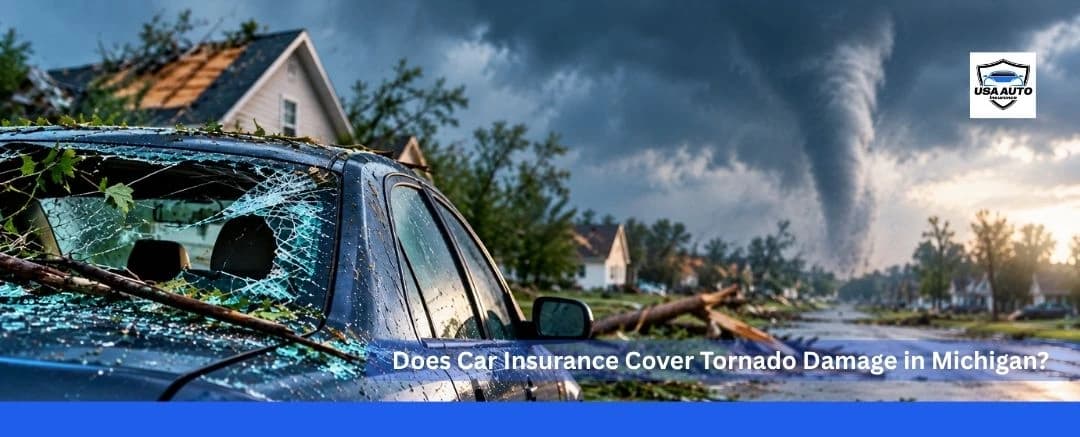
Does Car Insurance Cover Tornado Damage in Michigan?
Yes, car insurance can cover tornado damage in Michigan if you have comprehensive coverage. This optional coverage generally protects your vehicle from covered losses that do not result from a collision.
Can You Get Temporary Car Insurance?
Yes, you can get coverage for short-term driving needs, but probably not in the way you expect.
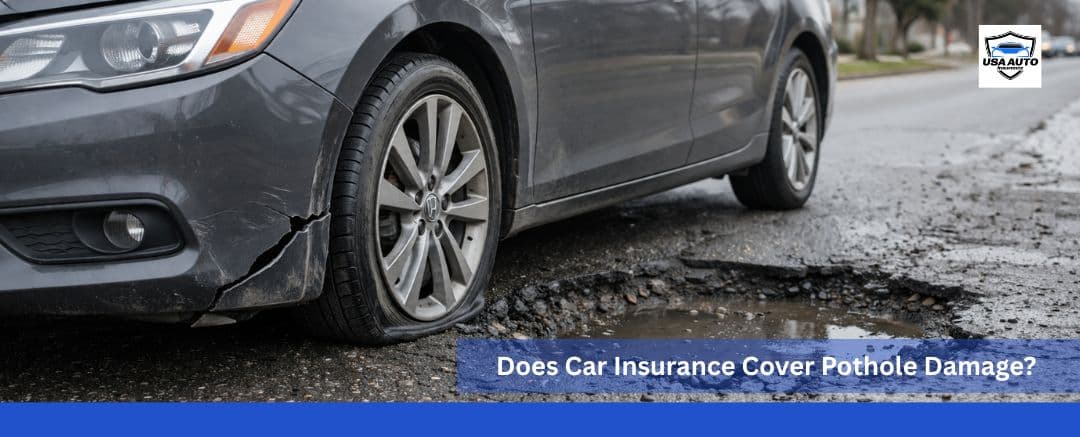
Does Car Insurance Cover Pothole Damage?
Car insurance can cover pothole damage, but it depends on the type of coverage you have. In most cases, collision coverage helps pay for repairs if your vehicle is damaged after hitting a pothole.

USA Auto Insurance
USA Auto is a licensed Managing General Agent (MGA) providing auto insurance policies underwritten by USA Underwriters Insurance Company.
Support
Copyright © USA Auto
Built by Neutrix | Powered by Neutrix Systems