February 12, 2026
Car Insurance Coverage
Does My Car Insurance Cover Rental Cars?
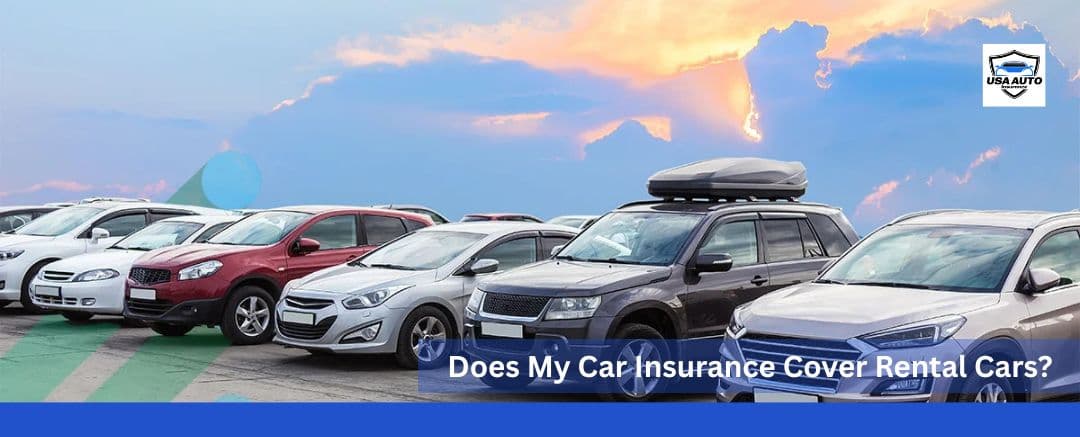
Yes, your personal auto insurance isn’t just limited to your own vehicles; it also extends to your rented cars. But it depends on what coverage you have in your auto insurance policy. Typically, the mandatory car insurance requirements vary by state, with minimum coverage limits.
Most states in the U.S. legally require you to have minimum liability coverage, which will only cover other drivers’ vehicle damage. It won’t cover the repair or replacement costs of your rental car, which requires optional coverage such as collision and comprehensive coverage.
Now, if you don’t have these two essential optional coverages, then your car insurance won’t cover your rental cars. In that case, you can either purchase collision and comprehensive coverage or acquire rental car insurance for adequate protection.
Whether you purchase a new car insurance policy, upgrade your current one, or obtain rental car insurance, it is essential to understand how these car insurance coverages work.
So, to help you make an informed decision, this guide explains whether car insurance is required to rent a car, what your personal auto policy covers, alternative coverage options, how rental insurance compares to personal insurance, and how claims work after a rental car accident.
Is Car Insurance Required to Rent a Car?
You don’t legally need your own car insurance policy to rent a car. However, you must have at least the state-required minimum liability coverage to drive the rental legally in most U.S. states. If you don’t already have coverage, the rental company will typically offer liability protection that meets state requirements.
Beyond the legal minimum, it’s also important to think about your own financial protection. Liability insurance only pays for damage you cause to other people or their vehicles. If the rental car itself is damaged, stolen, or vandalized, and you don’t have collision and comprehensive coverage or rental car protection, you may have to pay those costs out of pocket, which can be financially overwhelming.
With adequate personal auto insurance coverage, even your rented car stays financially covered. So, that’s why it’s even more crucial to choose a reliable insurance provider that offers an affordable auto insurance policy with extensive coverage across the U.S.
What Personal Auto Insurance Covers a Rental Car?
Your personal auto insurance can cover a rental car, but the protection you get depends on the types of coverage included in your policy. So, if you plan to rely on your own insurance while renting a car, it’s important to understand which coverages apply and when they do. Here are the car insurance coverages that financially protect rental cars as follows.
Liability Coverage
If you are involved in an at-fault car accident while driving a rental car, your auto insurance’s liability coverage will only cover the other person’s medical bills, vehicle, and property damage. It will also cover your legal defense costs if you get sued by the affected person for the accident that you have caused. While liability coverage is required in most states to drive legally, it only protects other people and their vehicles; it does not cover repair or replacement costs for the rental car you’re driving.
Collision Coverage
Collision coverage is an optional part of your auto insurance policy that helps pay to repair or replace a rental car if it’s damaged in an accident. This includes damage from hitting another vehicle or an object, regardless of who is at fault. If you plan to rely on your personal auto insurance while renting a car, having collision coverage can help protect you from paying out of pocket for damage to the rental vehicle.
Comprehensive Coverage
Comprehensive coverage is another optional part of your auto insurance policy that can protect a rental car. It helps pay to repair or replace the vehicle if it’s damaged by something other than a collision, such as theft, vandalism, fire, falling objects, flooding, or severe weather. Even if the rental car is parked, it can still be damaged or stolen. Comprehensive coverage helps protect you from paying out of pocket for these types of unexpected losses.
Additional Personal Auto Insurance Coverages for Car Rentals
In no-fault states like Michigan, it is also mandatory to carry car insurance coverage to cover accidental injuries and loss of income. Apart from legal compliance, it is crucial to have adequate medical coverage to cover hospital bills and treatment costs.
Also, if your rented car stops working and gets stuck in the middle of the road, you may need professional emergency repairs or get it towed to the auto repair shop. When it comes to ensuring a proper financial safety net, your car insurance policy extends beyond just covering car repairs.
So, that’s why it’s essential to consider these additional personal auto insurance coverages even when you’re renting a car.
Medical Payments Coverage, or Personal Injury Protection Coverage
If you, and your passengers, get injured in an accident while driving the rental car, your personal insurance will cover your medical expenses if you have medical payments coverage (MedPay), or Personal Injury Protection (PIP) coverage.
MedPay helps pay for accident-related medical bills such as hospital visits, ambulance services, X-rays, or surgery no matter who was at fault. It’s designed to supplement your health insurance and doesn’t typically cover lost income or long-term care costs.
PIP, on the other hand, offers broader protection. In addition to medical expenses, it may also cover lost wages, rehabilitation, and certain household services related to your injuries. PIP is required in no-fault states and available in only a handful of at-fault states, while MedPay is often used as an alternative where PIP isn’t offered.
Roadside Assistance Coverage
Roadside assistance coverage helps if your rental car breaks down or becomes disabled while you’re on the road. It can cover services like towing, jump-starts, flat tire changes, lockout help, and fuel delivery.
If this coverage is included in your personal auto policy, it typically applies to rental cars as well as saving you from paying out of pocket for emergency roadside services during your trip.
Alternative Car Insurance Policies to Cover Rental Cars
You don’t necessarily need to have personal car insurance to cover rental cars. There are multiple alternative car insurance policies to cover your rented car as follows.
Non-Owner Car Insurance
If you don’t own a car, but you often rely on using a rental car, then you should consider getting non-owner car insurance to get the essential liability coverage that’s often required by most car rental companies to comply with the mandatory insurance requirements in most states.
Keep in mind that the non-owner car insurance does not cover the repair and replacement costs to your rented car; you will need to consider the rental car insurance or other alternatives.
Rental Car Insurance
Rental car insurance isn’t typically an insurance coverage; rather, it’s an agreement with the car rental company to provide coverage due to an accident, theft, or any unexpected events for an extra daily fee of $10 to $40, depending on your choice of coverage.
You can get the rental car insurance either as an alternative to personal auto insurance or as an extra layer of financial protection. By default, the rental car insurance includes the minimum liability coverage; you can extend the liability coverage limit for an additional fee.
Moreover, the rental car insurance also provides additional coverage options such as:
- Collision Damage Waiver (CDW/LDW): waives your financial responsibility if the rental car is damaged or stolen.
- Supplemental Liability Insurance (SLI): increases liability coverage limits.
- Personal Accident Insurance (PAI): helps pay for medical expenses for you and your passengers.
- Personal Effects Coverage: protects personal belongings kept in the rental car.
Credit Card Insurance for Rental Cars
Many credit cards include rental car coverage at no extra cost when you use the card to pay for the rental. This benefit is usually secondary collision coverage, meaning it helps pay for repair or replacement costs to the rental car after your personal auto insurance has been applied. Some cards offer primary coverage, which pays first and may reduce the need to file a claim with your insurer.
This coverage generally applies only to damage or theft of the rental car. It usually does not cover liability, medical bills, or injuries to others. Benefits also vary by card and often exclude certain vehicles such as luxury, exotic, or sports cars, as well as off-road driving or certain parts like tires and glass.
Before relying on your credit card for rental car protection, make sure to contact your bank to confirm what’s covered and what’s not.
Personal Car Insurance vs Rental Car Insurance: What’s the Difference?
While your personal auto insurance may extend to rental cars, rental car insurance from the rental company can still offer added convenience or broader protection. Here’s how they compare.
Feature | Personal Auto Insurance | Rental Car Insurance (from Rental Company) |
Coverage Source | Your own insurer | Purchased from the rental company |
Applies to Rental Cars? | Often yes, depending on your policy | Yes, designed specifically for rentals |
Liability Coverage | Usually included (up to your policy limits) | Often included or available as Supplemental Liability Insurance (SLI) |
Collision/Comprehensive | Applies if you carry these coverages | Covered under Collision Damage Waiver (CDW/LDW) |
Deductible | Usually applies | Typically no deductible under CDW/LDW |
Covers Personal Belongings? | Sometimes, through homeowners/renters insurance | Optional Personal Effects Coverage |
Medical Coverage | MedPay/PIP may apply | Optional Personal Accident Insurance (PAI) |
Out-of-Pocket Risk | You may pay deductibles & premium increases after a claim | Usually lower risk, but costs add up daily |
Cost | Already included in your premium | Typically $10–$40+ per day |
Convenience | Requires filing a claim with your insurer | Claims often handled directly through rental company |
If you’re renting a car occasionally, or for a short time, it’s financially feasible to get rental car insurance. However, if you regularly use a rental car, then it can be significantly more expensive.
On average, the annual cost of personal auto insurance is $816 for minimum liability coverage and $2700 for full coverage. Whereas, rental car insurance can cost you $3,600 to $14,400 per year, as you need to pay about $10 to $40, depending on your choice of coverage.
Moreover, if you compare value for money, your personal auto insurance coverage can provide more extensive financial security compared to rental car insurance. So, it’s best to opt for rental car insurance either as temporary coverage or as an additional backup to your personal auto insurance policy.
How Do Claims Work After a Rental Car Accident?
Let’s break down how the claims process works for rental car accidents under two types of coverage: your personal auto insurance and rental car insurance.
Personal Auto Insurance Claims Process for a Rental Car Accident
If you’re involved in an accident while driving a rental car and you’re relying on your personal auto insurance, the claims process generally works the same way it would with your own vehicle. You’ll first contact your insurer to report the accident and provide details such as the rental agreement, police report (if applicable), photos, and information from the other driver.
Your insurer will then determine fault, review your coverage, and apply any deductibles under your collision or comprehensive coverage. If you only have liability insurance, your policy will pay for the other party’s injuries or property damage, but you may still be responsible for damage to the rental car unless you purchased additional protection.
Rental Car Insurance Claims Process
If you purchased rental car insurance from the rental company, the claims process is typically handled directly through them. After an accident, you’ll notify the rental company, complete an incident report, and provide any supporting documents such as photos, police reports, and driver details.
If you have a Collision or Loss Damage Waiver (CDW/LDW), the rental company will usually waive or limit your responsibility for damage to the vehicle (as long as the terms weren’t violated), which may mean you don’t need to involve your personal auto insurer. Other add-on coverages, such as supplemental liability insurance or personal accident insurance are also processed through the rental company or its insurance partner.
The Bottom Line: Your Personal Auto Insurance Does Cover Rental Cars
Coming back to your primary concern, your personal auto insurance does cover rental cars. If you own a car, you need to have a personal auto insurance policy, which will also extend to your rental car, especially if you have full coverage.
So, with an active personal auto insurance policy, you can get covered if you get into an accident while driving your rental car. However, it’s essential to ensure you have the right personal auto insurance coverage for adequate protection to cover your rental car.
If you need expert advice or if you’re interested in purchasing an auto insurance policy to cover your rental car as well, contact us now get a free quote.
Frequently Asked Questions (FAQs)
Do you need extra insurance when renting a car in the USA?
Not always. If you already have personal auto insurance, your coverage may extend to rental cars, especially if you carry liability, collision, and comprehensive coverage. However, if you don’t have these coverages, or you want to avoid paying deductibles, or prefer added protection, you may choose to buy rental car insurance or rely on credit card coverage.
Does Auto-Owners car insurance cover rental cars?
Yes, in most cases, auto-owners personal auto insurance extends to rental cars, as long as you have the same types of coverage on your policy (such as liability, collision, and comprehensive). Your deductible and policy limits will still apply, and coverage may vary by policy and state, so it’s always best to review your policy or contact your agent to confirm the details before renting a car.
Will insurance pay for rental cars during repairs in the USA?
Often, yes, but only if you have rental reimbursement coverage on your auto policy, or if another driver is found at fault and their insurance pays for your rental. Rental reimbursement is optional coverage that helps pay for a temporary rental car while your vehicle is being repaired after a covered accident. It doesn’t apply to maintenance or breakdown repairs, and daily limits usually apply.
Does my insurance cover someone else driving my rental car?
Usually, yes, as long as your auto policy allows permissive drivers and the additional driver is listed on the rental agreement. In most cases, your insurance follows the rental car, not the driver. However, coverage rules vary by insurer and rental company, and unauthorized drivers may not be covered. Always add additional drivers to the rental contract to avoid claim issues.
Tag :
auto insurance
Latest Blog
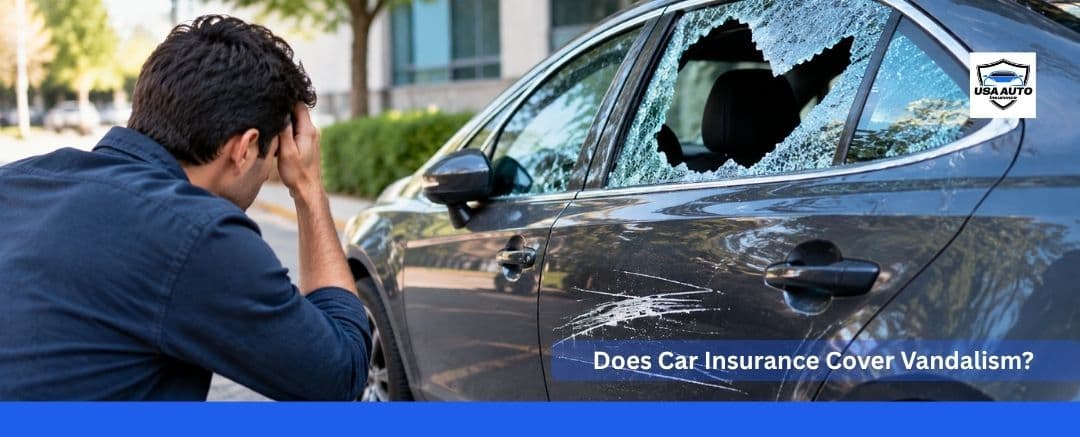
Does Car Insurance Cover Vandalism?
Yes, car insurance does cover vandalism, but only if you have comprehensive coverage. If you just have the basic liability coverage, your auto insurance policy won’t cover your car’s repair or replacement costs caused by vandalism.
What is a Deductible in Car Insurance?
A deductible in car insurance is the amount you agree to pay out of pocket toward a covered claim before your insurance provider pays the remaining costs.
Should I Have Collision Insurance on a 10-Year-Old Car in Michigan?
Yes, you may still want collision insurance on a 10-year-old car in Michigan. The vehicle's age alone does not determine whether the coverage is worth keeping.
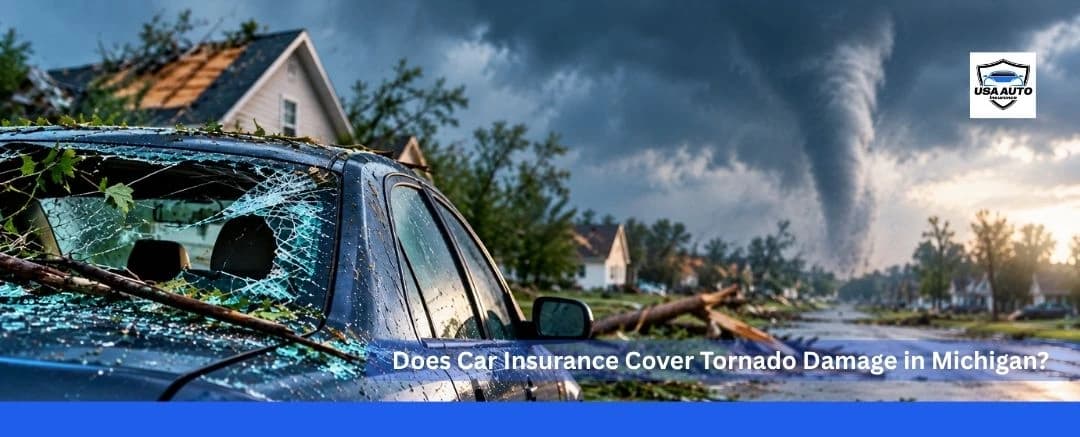
Does Car Insurance Cover Tornado Damage in Michigan?
Yes, car insurance can cover tornado damage in Michigan if you have comprehensive coverage. This optional coverage generally protects your vehicle from covered losses that do not result from a collision.
Can You Get Temporary Car Insurance?
Yes, you can get coverage for short-term driving needs, but probably not in the way you expect.
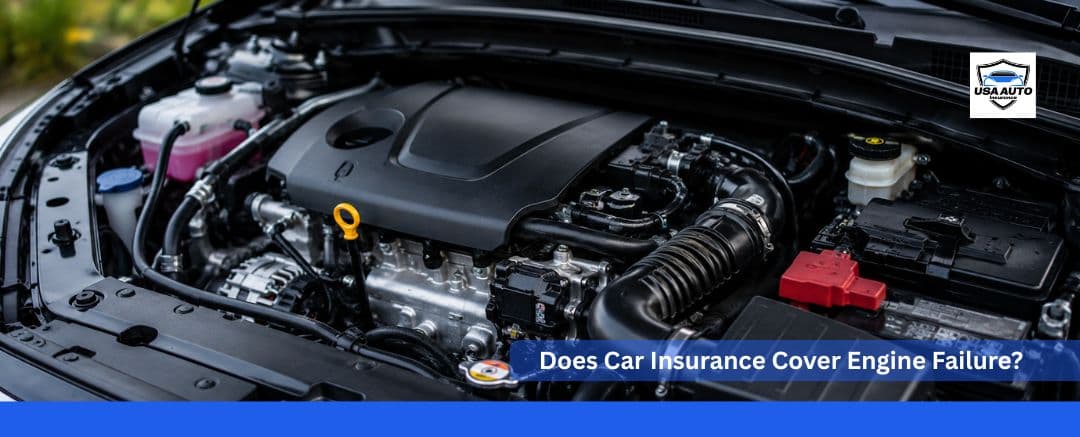
Does Car Insurance Cover Engine Failure?
Generally, no. Standard auto insurance doesn't cover engine failure caused by mechanical breakdown, normal wear and tear, or poor maintenance.

USA Auto Insurance
USA Auto is a licensed Managing General Agent (MGA) providing auto insurance policies underwritten by USA Underwriters Insurance Company.
Support
Copyright © USA Auto
Built by Neutrix | Powered by Neutrix Systems