June 10, 2026
Car Insurance Coverage
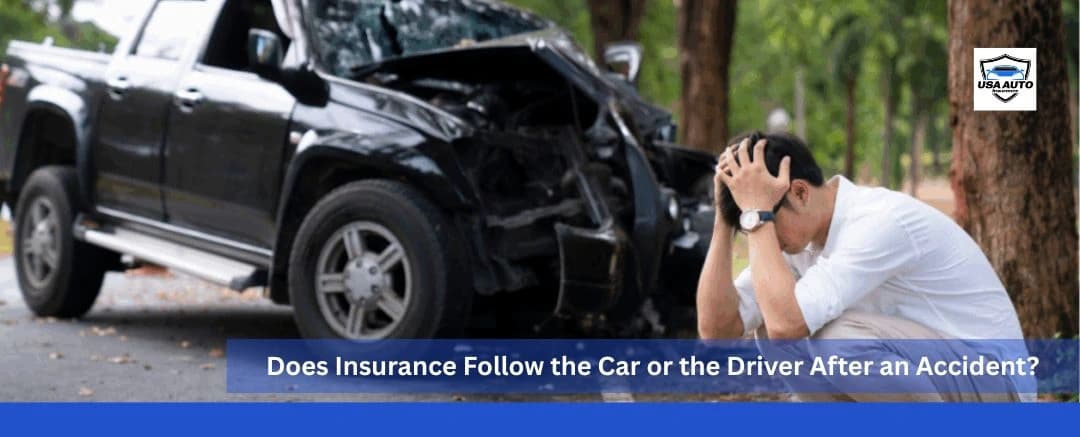
Does Insurance Follow the Car or the Driver After an Accident?
Most of the time, auto insurance follows the car, not the driver. If someone borrows your vehicle and gets into an accident, your insurance policy will often be the first source of coverage. However, there are situations where the driver's insurance may also apply, especially when multiple policies are involved or the vehicle owner's coverage limits are exceeded.
This question often comes up when a friend, family member, or household member uses your vehicle. If an accident happens, it's natural to wonder whose insurance pays, whether your rates could be affected, and what happens if the other driver has their own coverage.
In this guide, we'll explain when insurance follows the vehicle, when it may follow the driver instead, and how coverage may work when someone else gets behind the wheel of your car.
Does Insurance Follow the Car or the Driver in Michigan?
In Michigan, auto insurance generally follows the vehicle. This means the vehicle owner's insurance policy often provides the first source of coverage when someone else drives the car with permission and gets into an accident.
However, there are important exceptions. Certain coverage may follow the driver instead of the vehicle. In addition, policy exclusions, coverage limits, and state laws can influence how a claim is handled.
Michigan also operates under a no-fault insurance system. In fact, according to the Michigan Department of Insurance and Financial Services (DIFS), drivers are required to carry Personal Injury Protection (PIP), Property Protection Insurance (PPI), and residual liability coverage. These coverages help address medical expenses, property damage, and certain liability claims following an accident.
While Michigan's no-fault system affects how certain claims are handled, the vehicle owner's insurance policy is often the starting point when someone else drives the car with permission.
Why Does Auto Insurance Often Follow the Vehicle?
Many coverages are attached to the insured vehicle rather than a specific driver. As a result, certain protections may still apply when someone else drives your car with permission. For example, if a friend borrows your car and causes an accident, your liability coverage may help pay for injuries or property damage to your policy limits.
The same principle often applies to other coverages attached to the vehicle, such as collision or comprehensive coverage. That's why many drivers assume insurance follows the car rather than the person behind the wheel. Coverage outcomes can vary based on the drivers involved, the available coverage, and the circumstances of the accident.
Liability Coverage
Liability coverage helps pay for injuries or property damage you cause others in an accident. This coverage is usually attached to the insured vehicle; that’s why it may apply when someone else drives your car with permission.
For example, if a friend borrows your vehicle and causes an accident, your policy may serve as the primary source of coverage for damages to your policy limits.
Collision Coverage
If your car is damaged in a crash, collision coverage may help pay for repairs regardless of who was behind the wheel at the time. Insurers generally associate this coverage with the insured vehicle rather than a specific driver.
Likewise, if someone borrows your car and is involved in a collision, your collision coverage may help pay for repairs, subject to your deductible and policy terms.
Comprehensive Coverage
Not every claim involves a crash. Comprehensive coverage is designed for situations such as theft, vandalism, fire, or weather-related damage.
Since comprehensive coverage is tied to the vehicle itself, it generally remains in effect regardless of who was driving before the loss occurred.
Many drivers include collision and comprehensive coverage as part of a full coverage auto insurance policy to help protect their vehicle from a wider range of risks.
When Can Insurance Follow the Driver Instead?
Although auto insurance often follows the vehicle, there are situations where coverage may be connected to the driver. These situations are less common, but they are important to understand.
Non-Owner Car Insurance
Non-owner car insurance is designed for people who regularly drive vehicles they do not own. Instead of being attached to a specific vehicle, this type of policy follows the driver.
Non-owner insurance typically provides liability coverage if you cause an accident while driving a borrowed vehicle. However, it usually does not cover damage to the vehicle itself.
If you frequently drive cars that belong to friends or family members, a non-owner policy may provide an extra layer of protection.
Rental Car Coverage
A rental car is one of the clearest examples of coverage following the driver rather than a specific vehicle. If your personal policy includes liability, collision, or comprehensive coverage, those protections may extend to a rental car, subject to your policy terms and coverage limits. In these situations, the coverage follows you as the insured driver rather than a vehicle listed on your policy.
Secondary Coverage Situations
Sometimes more than one insurance policy may be involved after an accident. In these situations, one policy typically pays first (primary coverage), while another policy may provide additional protection if the first policy limits are exhausted.
For example, let's say you borrow a friend's car and cause an accident that results in $60,000 in damages. If your friend's policy provides $50,000 in liability coverage, that policy would generally respond first. If you also carry your own auto insurance policy, it may provide secondary coverage for some of the remaining costs, depending on the policy terms and circumstances of the claim.
Although most claims involve only one policy, secondary coverage can become important when damages exceed the primary policy limits. That's why insurers review all applicable policies before determining how a claim will be paid.
What Happens If Someone Else Drives Your Car?
The answer usually comes down to two questions: Did the driver have your permission, and what does your policy allow?
Coverage often depends on who is driving and how frequently they use your vehicle.
- Friend borrowing your car: Your policy may provide primary coverage.
- Family member driving your car: Coverage may depend on whether they're listed on your policy.
- Household member with regular access: Insurers often expect regular drivers to be disclosed.
- Someone using your car without permission: Coverage may be limited or unavailable.
If you're considering coverage for a vehicle you don't own, learn whether you can insure a car that is not in your name.
What Is a Permissive Driver?
A permissive driver is someone who has the vehicle owner's permission to drive the car. Many insurers extend coverage to permissive drivers, although coverage limits and exclusions may apply depending on the policy.
When Might Coverage Be Limited or Excluded?
Even when insurance generally follows the vehicle, there are situations where coverage may be restricted.
Excluded Drivers
Some insurance policies specifically exclude certain drivers from coverage. This usually happens when a driver has a poor driving record, multiple violations, or other risk factors that make them expensive to insure.
For example, if your policy lists a household member as an excluded driver and that person causes an accident while driving your vehicle, your insurer may refuse to cover some or all of the claim. Because exclusions can have significant consequences, it's important to know whether anyone in your household has been excluded from your policy.
Unlicensed Drivers
Allowing an unlicensed driver to operate your vehicle can create coverage complications. Insurance companies may question whether the driver was legally allowed to drive and whether the vehicle owner knowingly permitted them to use the car.
Let's say a friend with a suspended license borrows your vehicle and causes an accident. The insurer may closely review the circumstances before determining how the claim will be handled. While coverage outcomes vary, lending your vehicle to an unlicensed driver can increase the risk of claim disputes.
Unauthorized Vehicle Use
The situation can be very different when someone uses your vehicle without your permission. Insurance companies often distinguish between a permissive driver and someone who takes a vehicle without authorization.
For instance, if a family member takes your car without asking or someone uses your vehicle after being told not to, the claim may be handled differently than it would be if you had given permission. In some situations, coverage may be limited while the insurer investigates the facts surrounding the incident.
Business or Commercial Use
Most personal auto insurance policies are designed for everyday driving, such as commuting, running errands, or personal travel. Using a vehicle for certain business activities may fall outside the intended use of a personal policy.
One common example is using your personal vehicle for deliveries, ridesharing, or other business-related activities. If an accident occurs while the vehicle is being used for commercial purposes, the insurer may review whether the activity falls within the coverage provided by the policy.
If you use your vehicle for work-related activities beyond normal commuting, it may be worth discussing your situation with your insurer to make sure you have the appropriate coverage in place.
Who Pays After an Accident? Common Coverage Scenarios
Understanding who pays after an accident can help prevent confusion when someone else is driving your vehicle. The examples below show how coverage may work in common situations.
Scenario | Coverage May Typically Start With |
Friend borrows your car | Vehicle owner's policy |
Family member drives your car | Vehicle owner's policy |
Household driver | Policy terms may apply |
Excluded driver | Coverage may be limited |
Rental car accident | Driver's policy may apply |
Unauthorized vehicle use | Coverage depends on policy terms and circumstances |
This table provides a general overview. However, coverage decisions often depend on policy language, coverage limits, and the details of the accident.
For example, if damages exceed the vehicle owner's liability limits, another applicable policy may help cover additional costs. Likewise, if the driver has their own insurance policy, that coverage could potentially come into play after the primary policy has been exhausted.
Can Someone Else Driving Your Car Affect Your Insurance Rates?
Potentially, yes. Even if someone else was driving, a claim involving your vehicle could affect you future insurance premiums. Insurance companies often consider factors such as the severity of the accident, the cost of the claim, your claims history, and their underwriting guidelines when calculating rates.
Many Michigan drivers are particularly concerned about claims because auto insurance costs have increased significantly in recent years. According to our analysis of Michigan insurance rates, the average annual cost of full coverage increased from $2,345 in 2022 to $3,207 in 2025, a 38% increase in just three years. As insurance costs continue to rise, drivers often pay closer attention to anything that could affect their policy history or future premiums.
For instance, if a friend borrows your car and causes an at-fault accident, the insurer may consider the resulting claim when your policy renews, even though you were not behind the wheel. Generally, claims involving significant damage or injuries are more likely to affect future premiums than minor incidents.
That doesn't automatically mean your rates will increase. Some insurers offer accident forgiveness programs, while others evaluate claims based on factors such as fault, claim severity, driving history, and overall risk.
How to Help Protect Yourself Before Letting Someone Drive Your Car
Allowing someone else to drive your vehicle can be convenient. However, taking a few precautions beforehand may help reduce potential risks.
Review Your Auto Insurance Policy
Start by reviewing your policy documents.
Pay close attention to:
- Listed drivers
- Excluded drivers
- Coverage limits
- Policy restrictions
- Permissive use provisions
Understanding these details can help you avoid unexpected surprises if an accident occurs.
Understand Your Coverage Limits
Even if your insurance provides coverage, your policy limits still matter. If damages exceed those limits, you may be responsible for the remaining costs. Reviewing your coverage periodically can help ensure you have adequate financial protection.
Verify the Driver Has a Valid License
Before lending your vehicle, make sure the driver has a valid license. While this does not guarantee coverage, it can help reduce potential complications and ensure the driver meets basic legal requirements.
Ask Your Insurer About Driver Restrictions
Insurance companies have different rules regarding who can drive an insured vehicle. If friends, family members, or household members regularly use your car, consider checking with your insurer to understand any restrictions or coverage requirements.
The Bottom Line: Does Insurance Follow the Car or the Driver?
In many situations, auto insurance follows the vehicle, meaning the vehicle owner's policy is often the primary source of coverage after an accident. However, there are important exceptions. Certain policies, such as non-owner insurance, may follow the driver instead.
Several factors can affect coverage, including who was driving, whether they had permission to use the vehicle, the type of coverage involved, and the policy terms.
Understanding how coverage works before lending your vehicle can help you avoid confusion and unexpected costs if an accident occurs. If you're unsure how your coverage would apply when someone else drives your vehicle, connecting with a local insurance agent from USA Auto can help you review your options and avoid unexpected coverage gaps.
Frequently Asked Questions
If my friend crashes my car, whose insurance pays?
Usually, the vehicle owner's policy responds first when a friend causes an accident while driving with permission. Coverage depends on the policy and circumstances of the claim.
Can someone drive my car if they are not on my insurance policy?
Possibly, Many insurers may provide coverage for permissive drivers who have your permission to use the vehicle. However, policy restrictions, exclusions, and insurer requirements can affect coverage.
Does full coverage follow the car or the driver?
In most cases, full coverage auto insurance is attached to the insured vehicle. Since full coverage generally includes collision and comprehensive protection, those coverages often remain with the vehicle. However, policy terms may vary.
Will my insurance go up if someone else crashes into my car?
It depends. Insurance companies evaluate many factors when determining premiums, including claim history, accident severity, and underwriting guidelines. A rate increase is possible, but it is not guaranteed.
What happens if someone borrows my car and causes an accident?
Usually, your policy responds first if your friend had permission to drive your vehicle. However, claim outcomes depend on the policy, driver status, coverage limits, and accident details. Reviewing your policy before lending your vehicle can help you better understand how coverage may apply.
Tag :
auto insurance
Latest Blog
Does Car Insurance Cover Vandalism?
Yes, car insurance does cover vandalism, but only if you have comprehensive coverage. If you just have the basic liability coverage, your auto insurance policy won’t cover your car’s repair or replacement costs caused by vandalism.
What is a Deductible in Car Insurance?
A deductible in car insurance is the amount you agree to pay out of pocket toward a covered claim before your insurance provider pays the remaining costs.
Should I Have Collision Insurance on a 10-Year-Old Car in Michigan?
Yes, you may still want collision insurance on a 10-year-old car in Michigan. The vehicle's age alone does not determine whether the coverage is worth keeping.
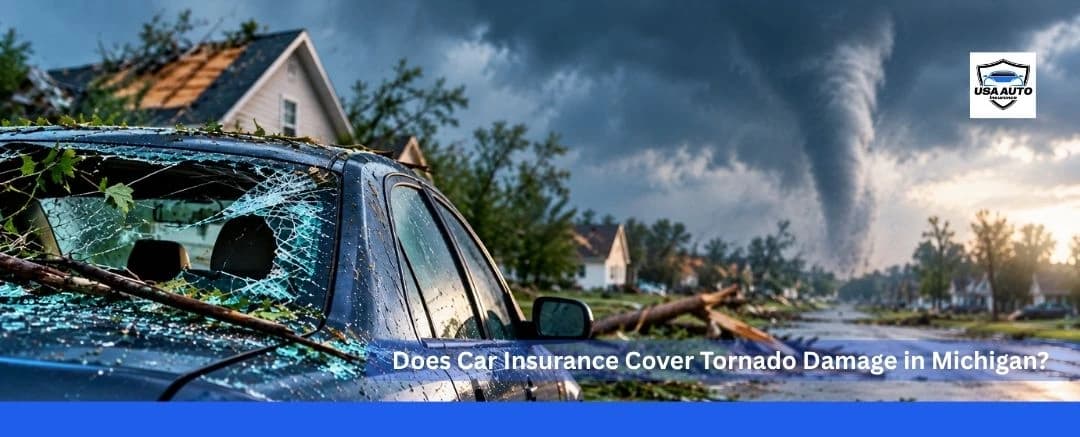
Does Car Insurance Cover Tornado Damage in Michigan?
Yes, car insurance can cover tornado damage in Michigan if you have comprehensive coverage. This optional coverage generally protects your vehicle from covered losses that do not result from a collision.
Can You Get Temporary Car Insurance?
Yes, you can get coverage for short-term driving needs, but probably not in the way you expect.
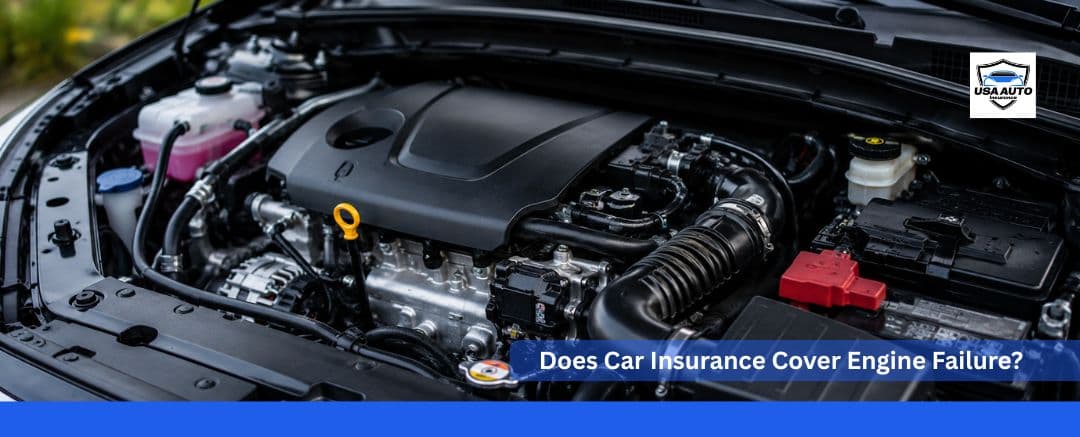
Does Car Insurance Cover Engine Failure?
Generally, no. Standard auto insurance doesn't cover engine failure caused by mechanical breakdown, normal wear and tear, or poor maintenance.

USA Auto Insurance
USA Auto is a licensed Managing General Agent (MGA) providing auto insurance policies underwritten by USA Underwriters Insurance Company.
Support
Copyright © USA Auto
Built by Neutrix | Powered by Neutrix Systems