July 22, 2026
Car Insurance Coverage
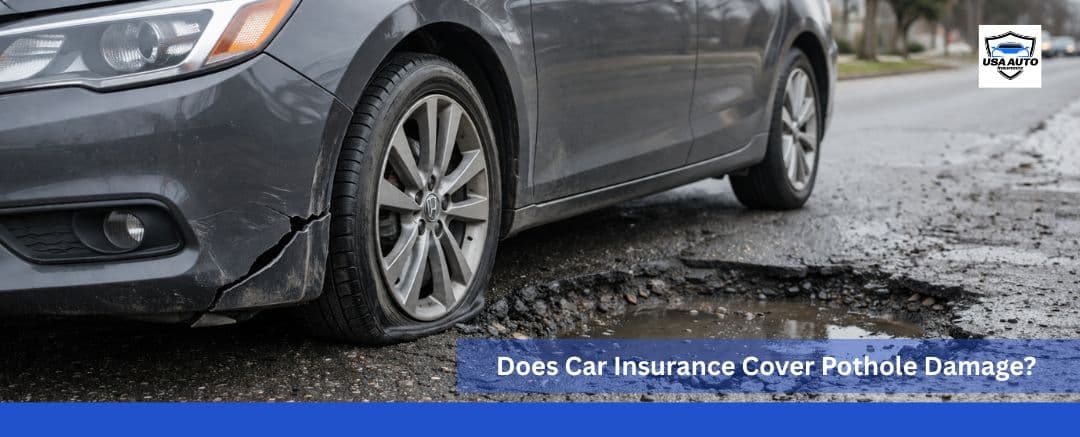
Does Car Insurance Cover Pothole Damage?
Car insurance can cover pothole damage, but it depends on the type of coverage you have. In most cases, collision coverage helps pay for repairs if your vehicle is damaged after hitting a pothole. Meanwhile, liability-only policies and comprehensive coverage typically won't cover this type of damage.
Even a single pothole can leave you with expensive repairs. A hard impact may damage your tires, bend a wheel, throw off your alignment, or even affect your suspension. Since repair costs can add up quickly, many drivers wonder whether filing an insurance claim makes financial sense.
Knowing how your coverage works can help you respond quickly and make informed decisions if your vehicle is damaged by a pothole. In this article, we'll explain when car insurance covers pothole damage, what steps to take after hitting a pothole, and when filing a claim may be worth considering.
Does Car Insurance Cover Pothole Damage in Michigan?
Yes. Michigan drivers are generally covered the same way as drivers in most other states when it comes to pothole damage. Whether your repairs are covered depends on the type of insurance you carry. If your policy includes this protection, it may help pay for repairs. If you only have liability coverage, or even comprehensive coverage, you'll typically be responsible for the repair costs yourself.
The main difference isn't the insurance coverage itself. Instead, it's how drivers may pursue reimbursement from the government agency responsible for maintaining the road where the damage occurred.
Coverage & Claims | Michigan | Most Other States |
Collision coverage pays for pothole damage | Yes | Yes |
Comprehensive coverage pays for pothole damage | No | No |
Liability-only coverage pays for your vehicle damage | No | No |
Government reimbursement may be available | Drivers may be able to file a claim with the state, county, or local road agency responsible for maintaining the roadway, subject to eligibility requirements. | Many states also allow reimbursement of claims through the government agency responsible for maintaining the road, although the process varies by jurisdiction. |
According to the Michigan Department of Transportation (MDOT), property damage claims are reviewed individually, and drivers must provide supporting documentation, such as the location of the incident, photos of the damage, and repair information. Michigan requirements and eligibility vary depending on the agency responsible for maintaining the roadway.
If you're considering both an insurance claim and a reimbursement request, compare your options carefully to determine which approach best suits your situation.
What Insurance Covers Damage Caused by Potholes?
The type of car insurance that covers pothole damage depends on the coverage included in your policy. If your policy only includes liability or comprehensive coverage, you'll likely be responsible for the repair costs yourself.
Collision coverage is also common among U.S. drivers. According to the Insurance Information Institute (III), citing data from the National Association of Insurance Commissioners (NAIC), 73% of insured drivers carry collision coverage, making it one of the most common optional auto insurance coverages. While having collision coverage doesn't guarantee every claim will be paid, it generally provides financial protection for damage caused by hitting a pothole.
The table below shows how the most common types of auto insurance typically apply to pothole damage.
Coverage Type | Covers Pothole Damage? | What It Covers |
Collision coverage | Yes | Helps pay to repair your vehicle after hitting a pothole or another object, subject to your deductible and policy limits. |
Comprehensive coverage | No | Covers non-collision events, such as theft, vandalism, hail, flooding, falling objects, and animal collisions. |
Liability coverage | No | Pays for injuries or property damage you cause to others, not damage to your own vehicle. |
Full coverage* | Usually | Typically includes liability, collision, and comprehensive coverage. Pothole damage is generally covered because collision coverage is included. |
Let's take a closer look at how each type of coverage works.
Collision Coverage
Collision coverage is designed to help pay for damage to your vehicle after a covered collision. Since insurers generally classify a pothole as a collision with an object, this is the coverage that typically applies.
If your claim is approved, you'll first pay your deductible. Your insurer then pays the remaining covered repair costs, up to your policy limits.
Collision coverage may help pay for repairs involving:
- Bent wheels or cracked rims
- Tire damage
- Suspension repairs
- Steering components
- Wheel alignment issues
- Undercarriage damage
If you lease or finance your vehicle, your lender will often require collision coverage. If you own your vehicle outright, this coverage is generally optional.
Comprehensive Coverage
Comprehensive coverage protects your vehicle against events that aren't caused by a collision. Examples include theft, vandalism, fire, hail, flooding, falling objects, and animal strikes.
Although pothole damage may seem unexpected, insurers generally don't classify it as a comprehensive claim. Since your vehicle strikes a road hazard, pothole damage is usually handled under collision coverage instead.
Liability Coverage
Liability coverage is required in nearly every state and helps pay for injuries or property damage you cause to others after an accident. However, it doesn't pay to repair your own vehicle. If you only have liability coverage and your car is damaged by a pothole, you'll typically be responsible for the repair costs.
Does Full Coverage Cover Pothole Damage?
In many cases, yes, but only because full coverage usually includes collision coverage.
It's important to remember that "full coverage" isn't an official insurance product. Instead, it's a term commonly used to describe a policy that combines liability, collision, and comprehensive coverage.
Because full coverage typically includes collision coverage, it generally provides protection for pothole damage. However, coverage limits, exclusions, and deductibles vary by policy, so it's important to understand what's included before an incident occurs.
Can Potholes Damage Your Car?
Absolutely. Even a pothole that appears shallow can damage several parts of your vehicle. The severity often depends on your speed, the size of the pothole, and your vehicle's suspension. In many cases, the damage isn't immediately obvious, which is why it's important to inspect your vehicle after a hard impact.
The financial impact can also be significant. According to AAA, pothole-related vehicle repairs cost U.S. drivers approximately $3 billion every year, with tires, wheels, and suspension components among the most commonly damaged parts.
Here are some of the most common types of damage caused by potholes.
Tire Damage
Your tires are usually the first part of the vehicle to absorb the impact of a pothole. While some damage is immediately noticeable, other problems may develop over time.
A pothole can cause:
- Sidewall bulges
- Tire punctures
- Slow air leaks
- Blowouts
- Internal tire damage
Even if your tire appears normal, monitor it for vibration or pressure loss after driving. Hidden damage can worsen if left untreated.
Wheel and Rim Damage
The sharp edges of a pothole can bend or crack your wheels. Even minor rim damage may prevent your tire from sealing properly, leading to slow air leaks or handling issues.
Common signs include:
- Air leaks
- Steering wheel vibration
- Uneven tire wear
- Poor handling
In many cases, severely cracked wheels must be replaced rather than repaired.
Suspension and Steering Damage
A hard impact can cause stress on your suspension and steering system. If these components become damaged, your vehicle may feel unstable or harder to control.
A pothole may affect:
- Struts
- Shocks
- Tie rods
- Ball joints
- Control arms
If your steering feels loose or your vehicle pulls to one side, schedule an inspection as soon as possible.
Wheel Alignment Issues
Not every pothole causes visible damage. However, even a moderate impact can throw your wheels out of alignment.
Watch for signs such as:
- Crooked steering wheel
- Vehicle pulling left or right
- Uneven tire wear
- Reduced handling
Correcting the alignment early can help prevent premature tire replacement.
Undercarriage Damage
Deep potholes can also strike the underside of your vehicle. Although this damage isn't always visible, it can become costly if ignored.
Affected components may include:
- Oil pan
- Splash shields
- Exhaust system
- Protective underbody panels
If you hear scraping noises or notice fluid leaks after hitting a pothole, have your vehicle inspected promptly.
What Should You Do After Hitting a Pothole?
The steps you take after hitting a pothole can help protect your safety, support an insurance or reimbursement claim, and prevent minor damage from becoming a more expensive repair. Even if your vehicle appears to be driving normally, it's worth taking a few minutes to inspect it and document what happened.
Here are the steps you should take;
1. Inspect Your Vehicle for Damage
If it's safe to do so, pull over and check your vehicle before continuing your trip. A quick inspection can help you identify obvious damage and determine whether it's safe to keep driving.
Look for:
- Flat or low tires
- Bent or cracked wheels
- Fluid leaks
- Dashboard warning lights
- Unusual noises or vibrations
If your vehicle doesn't feel safe to drive, use roadside assistance or have it towed to a trusted repair shop rather than risking additional damage.
2. Document the Pothole and Vehicle Damage
If you think you may file an insurance or reimbursement claim, document the incident before leaving the area whenever it's safe to do so. Clear documentation can help verify what happened and support your claim.
Try to capture:
- Photos of the pothole
- Photos of your vehicle damage
- Nearby street signs or landmarks
- Tire and wheel condition
Also, record the date, time, weather conditions, and exact location of the incident while the details are still fresh.
3. Get a Repair Estimate
Some vehicle damage isn't immediately visible. A professional inspection can identify issues early and help prevent more costly repairs.
Ask a qualified repair shop to inspect your:
- Tires
- Wheels
- Suspension
- Steering
- Wheel alignment
- Undercarriage
Keep copies of your repair estimate and final invoice, as they may be required if you decide to file an insurance or reimbursement claim.
4. Contact Your Insurance Company
Once you understand the extent of the damage, contact your insurance company if you believe filing a claim may be worthwhile. Reporting the incident promptly allows your insurer to discuss your claim options, explain the next steps, and let you know what documentation is required.
Your insurer may request:
- Photos of the damage
- Repair estimates
- Details about when and where the incident occurred
- Inspection reports or repair invoices
Should You File an Insurance Claim for Pothole Damage?
Filing an insurance claim isn't always the best solution after hitting a pothole. While your coverage may help pay for repairs, you'll still need to consider your deductible, the extent of the damage, and whether filing a claim could affect your future premiums. Taking a few minutes to compare your options can help you make a more informed financial decision.
Compare Repair Costs with Your Deductible
Before filing a claim, compare your repair estimate with your deductible to determine whether using your insurance makes financial sense.
If your repair costs are less than your deductible, you'll generally pay the full amount out of pocket because your insurance won't contribute toward the repairs. However, if the repair costs are significantly higher than your deductible, filing a collision claim may help reduce your out-of-pocket expenses.
The table below provides a general guideline.
Repair Situation | Filing a Claim May Make Sense? |
Repair costs are less than your deductible | Usually no. You'll likely pay the full repair cost yourself. |
Repair costs are close to your deductible | It depends. Compare your potential insurance payout with the possibility of future premium changes. |
Repair costs are significantly higher than your deductible | Often yes, if the damage is covered under your collision policy. |
Keep in mind that every policy is different. Your deductible, coverage limits, and claim history can all influence whether filing a claim is the right choice.
Consider the Potential Impact on Your Insurance Rates
Although your policy may pay for pothole damage, filing a claim could affect your insurance premium when your policy renews. Whether your rate changes depends on several factors, including your insurer's underwriting guidelines, your claims history, and the amount of the loss.
Because every insurer evaluates claims differently, there's no guarantee that a single pothole claim will increase your premium. Before filing a claim, ask your insurance company or agent how it could affect your policy at renewal.
When Paying Out of Pocket May Be the Better Option
In some situations, paying for repairs yourself may be the more practical option. This is especially true when the damage is minor, or the repair costs don't exceed your deductible.
You may want to pay out of pocket if:
- The repair costs are less than your deductible.
- The damage is limited to a minor tire, wheel, or alignment repair.
- You want to avoid filing a claim for a relatively small loss.
- The repairs won't create a significant financial burden.
On the other hand, if your vehicle has extensive damage to the suspension, steering system, wheels, or undercarriage, using your insurance coverage may help reduce larger repair expenses.
If you're uncertain about the best course of action, review your policy details and compare the potential costs before deciding whether to file a claim.
Can You Get Reimbursed for Pothole Damage?
Yes, you may be able to get reimbursed for pothole damage if the road was maintained by a government agency. In many states, drivers can submit a property damage claim to the agency responsible for maintaining the roadway. However, reimbursement isn't guaranteed, and every agency has its own eligibility requirements, documentation standards, and claim process.
If your vehicle needs immediate repairs, filing an insurance claim may be the faster option. If the damage occurred on a publicly maintained road, you can also explore whether you're eligible to seek reimbursement from the responsible road authority.
The table below compares both options.
Option | When It May Be a Good Choice | Things to Consider |
File an insurance claim | Your repair costs exceed your deductible, or you need repairs completed quickly. | If you have collision coverage, your policy may help pay for covered repairs after you pay your deductible. |
Request government reimbursement | The damage occurred on a state, county, or locally maintained road. | Approval isn't guaranteed, and reimbursement requirements vary by agency and jurisdiction. |
Who May Be Responsible for the Road?
Before submitting a reimbursement request, identify the agency responsible for the roadway where the damage occurred. Responsibility usually depends on the type of roadway rather than the city or state alone.
Depending on where the damage occurred, the responsible agency may include:
- A state department of transportation for state highways
- A county road commission for county-maintained roads
- A city or municipal public works department for local streets
Submitting your claim to the correct agency can help avoid unnecessary delays and ensure it reaches the appropriate department for review.
How to File a Reimbursement Claim
Although the process varies by jurisdiction, most agencies request similar information when reviewing a pothole damage claim.
Before submitting your claim, gather:
- The exact location of the pothole
- The date and time the damage occurred
- Photos of the pothole and your vehicle
- Repair estimates or final repair invoices
- Any additional documents requested by the agency
Keeping detailed records immediately after the incident can strengthen your claim and make it easier to verify when and where the damage occurred.
Why Reimbursement Isn't Always Guaranteed
Unlike an insurance claim, government reimbursement claims often require additional review before they're approved. Agencies may evaluate whether they were responsible for maintaining the roadway, whether enough evidence supports the claim, and whether all filing requirements have been met.
Even if your claim qualifies for review, reimbursement may take time and isn't guaranteed. If your vehicle requires immediate repairs or the damage is extensive, using your collision coverage may be the more practical solution while you explore whether government reimbursement is available.
The Bottom Line: Know Your Coverage Before You Hit a Pothole
No one plans to hit a pothole, but you can prepare for the financial impact before it happens. Instead of waiting until your vehicle needs repairs, review your auto insurance policy so you understand your coverage, deductible, policy limits, and any exclusions before you need to file a claim.
It's also worth reviewing your coverage whenever your vehicle, deductible, or driving habits change. Small updates today can help prevent bigger surprises if you ever need to file a claim in the future.
If you're not sure whether your current policy provides the protection you need, find a local agent through USA Auto. A knowledgeable agent can help you compare coverage options from multiple insurance carriers, explain your policy in plain language, and help you choose coverage that fits your driving habits and budget.
Frequently Asked Questions (FAQs)
Does hitting a pothole count as an accident for insurance?
Yes. Most insurance companies treat pothole damage as a single-vehicle collision because your vehicle struck a road hazard. If you carry collision coverage, your policy may help pay for covered repairs after you meet your deductible.
Can I drive my car after hitting a pothole?
It depends on the severity of the impact. If your vehicle has a flat tire, fluid leak, unusual vibration, steering problems, or dashboard warning lights, it's safe to stop driving and have it inspected. Even if everything seems normal, scheduling a professional inspection can help identify hidden damage before it becomes more serious.
Does roadside assistance cover pothole damage?
Roadside assistance typically doesn't pay for vehicle repairs caused by a pothole. However, if the impact leaves you stranded because of a flat tire or another mechanical issue, your roadside assistance coverage may help with services such as towing, tire changes, or jump-starts, depending on your policy.
What if my pothole damage claim is denied?
If your insurance claim is denied, ask your insurer to explain the reason for the decision. In some cases, providing additional documentation, such as repair estimates, inspection reports, or photographs, may help clarify your claim. If you believe the decision was made in error, you can also ask about your insurer's appeal process.
How long do I have to report pothole damage to my insurance company?
Reporting requirements vary by insurer, but it's generally best to notify your insurance company as soon as possible after the incident. Prompt reporting can help streamline the claims process and preserve important documentation, such as photos and repair estimates.
References:
1. Michigan Department of Transportation. (n.d.). Property damage claims for pothole damage. https://www.michigan.gov/mdot/travel/commuters/potholes/damage-claim
2. Insurance Information Institute. (n.d.). Does my auto insurance cover damage caused by potholes? https://www.iii.org/article/does-my-auto-insurance-cover-damage-caused-by-potholes
3. AAA Hoosier Motor Club. (2022, March 22). Pothole damage costs U.S. drivers $3 billion annually. https://www.hoosier.aaa.com/news/news-releases/pothole-damage-costs-us-drivers-3-billion-annually
4. National Association of Insurance Commissioners. (n.d.). Auto insurance. https://content.naic.org/consumer/auto-insurance.htm
5. Car Care Council. (n.d.). Be Car Care Aware. https://www.carcare.org/
Tag :
auto insurance
Latest Blog
Does Car Insurance Cover Vandalism?
Yes, car insurance does cover vandalism, but only if you have comprehensive coverage. If you just have the basic liability coverage, your auto insurance policy won’t cover your car’s repair or replacement costs caused by vandalism.

What is a Deductible in Car Insurance?
A deductible in car insurance is the amount you agree to pay out of pocket toward a covered claim before your insurance provider pays the remaining costs.

Should I Have Collision Insurance on a 10-Year-Old Car in Michigan?
Yes, you may still want collision insurance on a 10-year-old car in Michigan. The vehicle's age alone does not determine whether the coverage is worth keeping.

Does Car Insurance Cover Tornado Damage in Michigan?
Yes, car insurance can cover tornado damage in Michigan if you have comprehensive coverage. This optional coverage generally protects your vehicle from covered losses that do not result from a collision.

Can You Get Temporary Car Insurance?
Yes, you can get coverage for short-term driving needs, but probably not in the way you expect.
Does Car Insurance Cover Engine Failure?
Generally, no. Standard auto insurance doesn't cover engine failure caused by mechanical breakdown, normal wear and tear, or poor maintenance.

USA Auto Insurance
USA Auto is a licensed Managing General Agent (MGA) providing auto insurance policies underwritten by USA Underwriters Insurance Company.
Support
Copyright © USA Auto
Built by Neutrix | Powered by Neutrix Systems