December 10, 2025
Car Insurance Coverage
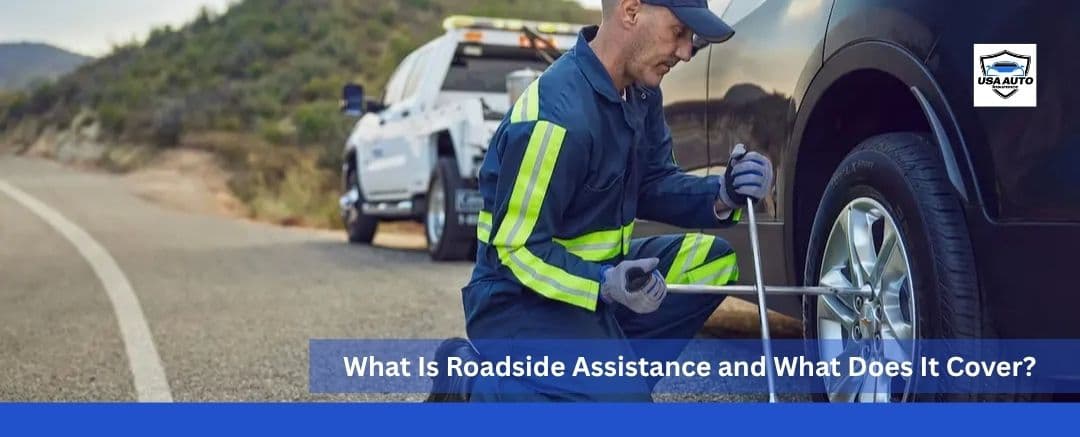
What Is Roadside Assistance and What Does It Cover?
Imagine you're driving home late from work. It's dark and raining, and suddenly your car won’t start. It just makes that frustrating click-click sound. Or maybe you’re on I-94, headed to visit family, when you hit that awful thump of a flat tire. In those moments, having emergency roadside assistance can feel like a lifesaver.
In simple words, roadside assistance (AKA breakdown coverage) is a service/add-on coverage that helps drivers when their vehicle breaks down or becomes disabled on the road. It’s designed to get you back on your way quickly and safely, whether that means sending a tow truck, changing a tire, delivering fuel, or jump-starting your battery. Some plans even help unlock your car when you’ve accidentally locked the keys inside (we’ve all been there).
So, in this article, we’ll discuss what roadside assistance coverage really means, how it works, what it includes (and doesn’t), and how to choose the right plan for you. We’ll also cover costs, service limits, and share tips for staying safe while you wait for help.
How Does Roadside Assistance Work?
According to a report published by Agero, approximately 69 million vehicles break down in the U.S. each year, which means roughly one in three drivers experience trouble on the road. It could be a dead battery issue, a flat tire, or even running out of fuel. And that’s why it’s important to understand how roadside assistance actually works in an emergency like this.
Well, it’s straightforward if you have one! When your car stalls or you’re stuck, you simply call your roadside assistance service provider through your insurance app, hotline, or membership number. They locate you using GPS and dispatch help like a tow truck, lockout technician, or fuel delivery service, or whatever is necessary in your case. And then, depending on your coverage plan, the service either fixes the issue on-site or tows your vehicle to the nearest repair shop.
Need affordable car insurance that includes emergency roadside assistance? Speak with one of our USA auto insurance agents to discuss your state-specific insurance requirements and determine how much coverage is appropriate for your situation. Our agents can also help you decide whether roadside assistance is right for your vehicle. For more details, call us at (866) 855-1872 or get your free auto insurance quote online.
What Does Roadside Assistance Cover?
If you find yourself stranded on the road and call for emergency roadside assistance, what exactly will it cover? That depends on your service provider and the specifics of your coverage plan. However, most standard roadside assistance add-ons typically include the following services:
- Towing service: When your vehicle can’t be driven. It’s towed to the nearest repair shop or location allowed by your coverage plan.
- Battery Jump-Start: A technician comes to revive your dead battery so you can get back on the road quickly.
- Flat tire change: If you have a spare tire, they’ll replace the flat on-site and get you moving again.
- Fuel delivery: If you run out of gas, they’ll bring enough fuel to reach the next gas station, typically 2-5 gallons.
- Lockout service: Helps you unlock your car if your keys are locked inside.
- Winching or extraction: Pulls your vehicle out of snow, mud, or a ditch.
- Minor mechanical adjustments: Small fixes that can be handled roadside without a full repair.
- Trip interruption coverage (In premium plans): reimburses travel or lodging costs if you’re stranded far from home.
What Does Roadside Assistance Not Cover?
Roadside Assistance is really helpful when you’re stuck. But it’s not a fix for everything. There are certain limits to what it covers. Here’s what usually falls outside the plan:
- Major Repairs: If your car needs engine or transmission work, roadside service won’t cover that. They only handle quick fixes or towing to a repair shop.
- Parts Replacement Cost: They might jump-start your car or deliver a spare tire, but if you need new parts, you’ll pay for those. Batteries, tires, and other components come at your own expense.
- Accidents or Collision Damage: If your vehicle is damaged in an accident, roadside assistance won’t cover repairs. In that case, you’ll need your car insurance company to handle the losses.
- Repeated Service Calls for the Same Issue: Using the same service again and again for the same breakdown might get denied. Most providers set a limit on how many times you can call per year. Based on our analysis, the majority of the providers set a limit of four to six service calls per year. For example, if you’re a member of AAA, you’re entitled to five emergency roadside assistance calls per year.
- Off-Road/Unauthorized Areas: If you get stuck on a trail, in a field, or somewhere off-road, don’t expect help. Roadside service works on public roads or highways, not private or restricted zones.
- Commercial or Heavy-Duty Vehicles: Standard plans don’t cover trucks, trailers, or business vehicles. Those need separate commercial assistance plans.
- Negligence or Poor Maintenance: If you ignore regular maintenance and your car breaks down, that’s on you. For instance, if you run out of oil or coolant due to neglect, roadside assistance may refuse to help.
- Extreme or Illegal Situations: If you’re in an unsafe area, during a natural disaster, or engaged in illegal activity, then you won’t be eligible for coverage.
Benefits of Roadside Assistance Service
Emergency help always feels like a lifesaver, and roadside assistance is no exception, especially when you're stranded with your vehicle in the middle of nowhere. While you may already appreciate the benefits of having roadside assistance, we're here to break down what it can actually offer you.
- Convenience. Help arrives quickly when you need it most.
- Safety. Trained pros reduce time spent in dangerous spots.
- Cost savings. A single tow or lockout can cost more than annual coverage. Roadside plans cut that risk.
- 24/7 availability. Night, or holiday, support is just a call away.
- Wide service mix. Towing, jump-starts, tire changes, fuel delivery, lockout help, and winching. These cover the most common breakdowns.
- Trip interruption help. Some plans pay for hotels, transport, or rentals when you’re stranded far from home.
- Versatility. Available via insurers, auto clubs, manufacturers, credit cards, or pay-per-use.
What to Do If You Don’t Have Roadside Assistance?
If you don’t have roadside assistance, there’s no need to panic; you still have options. First, stay calm and, if possible, move your vehicle to a safe location. Turn on your hazard lights, and if you're in a dangerous spot, call 911 immediately. After ensuring your safety, you can reach out to a tow truck service or a roadside assistance company for paid support, if available.
In short, without emergency roadside assistance, your top priority should be safety. Call 911 if needed, and for vehicle-related help, contact the nearest auto body shop, tow service, or roadside assistance provider offering paid services.
When to Consider Emergency Roadside Assistance Services?
Since no one can predict the future, having emergency roadside assistance is always a smart precaution. However, some drivers may be more vulnerable in difficult situations, as they may be unable to handle common issues like changing a tire on their own. Others may drive older vehicles that are more prone to breakdowns. For these drivers, roadside assistance shifts from being a 'nice-to-have' to a 'must-have' policy.
So, here are moments when you should seriously think about getting roadside assistance:
- If you can’t fix common issues yourself, like changing a tire, jump-starting a dead battery, or unlocking your car.
- If you drive an older car. Older vehicles are more likely to break down or overheat.
- If you frequently travel long distances or at night. Getting stuck far from help can be costly and risky.
- If your teen often drives your vehicle.
- If you live in areas with harsh weather. Extreme heat, snow, or rain can make breakdowns dangerous.
- If you’re new to driving.
- If your daily route is remote or less populated.
How Much Does Roadside Assistance Cost?
The cost of roadside assistance depends on who provides it and what level of coverage you choose. On average, it costs between $20 and $150 per year when added to your auto insurance policy. If you go through a membership program like AAA or similar services, prices can range from $60 to $130 annually, depending on perks.
Automakers/manufacturers often include emergency roadside assistance for new vehicles, usually free for the first few years. After that, you can renew it for a small yearly fee. Standalone third-party plans or credit card programs may charge per use or offer pay-as-you-go options, typically between $50 and $100 per service call.
Where Do I Get Roadside Assistance Services?
You can purchase roadside assistance from several trusted sources. Here’s where you should look:
- Auto insurance company (e.g., USA Auto) Automaker or manufacturer (while purchasing a new vehicle)
- Membership services (AAA or Better World Club)
- Credit cards (e.g., roadside dispatch services)
- Cell phone providers and standalone apps
Each option has pros and cons. And the best choice depends on how far you travel and what kind of support you want when the unexpected happens.
Comparing Insurance Add-on Vs. Membership vs. Automaker Coverage
Not all roadside assistance is the same. It is different based on your provider and limit. Some roadside assistance comes bundled with your auto insurance. Others through a membership program, or directly from your automaker. Each has its park and limits. Here’s a quick comparison to help you see the difference:
| Feature |
Insurance Add-on |
Membership Program (e.g., AAA) |
Automaker Coverage |
| Cost |
Usually $20 to $50 per year is added to your car insurance policy |
Around $60-$130 per year, depending on plan level |
Often free for new cars (first 2-5 years), then renews for a small fee |
| Coverage Type |
Basic towing, flat tire, fuel, lockout, battery jump |
Broad roadside assistance, trip interruption, travel discounts, and hotel deals |
Towing, battery service, and lockout, limited to the manufacturer's network |
| Service Area |
Within the insurer’s partner network |
Nationwide and even Canada coverage |
Usually limited to |
| Claims & Process |
Request through the insurance app or hotline |
Call or app-based service, fast dispatch |
Call the automaker hotline or use the in-car assistance system |
| Best for |
Drivers wanting low-cost, simple protection |
Frequent travelers who value extra benefits |
New-car owners or those under warranty |
How Do I Choose the Best Roadside Assistance Program for Myself?
Choosing the best roadside assistance coverage starts with knowing your driving habits and what kind of help you might actually need. If you mostly drive around town and already have good auto insurance, an insurance add-on might be enough. It’s affordable and covers the basics like towing, flat tires, and fuel delivery.
If you’re someone who takes long road trips or commutes through remote areas, consider a membership program. It usually comes with wider service coverage, faster response times, and added perks like trip interruptions or travel discounts.
For newer vehicles, check if your automaker's plan already includes emergency roadside assistance. Many brands cover the first few years at no cost, so you might not need to buy extra coverage.
When comparing plans, always look at towing distance limits, service caps, and response times. Keep in mind that a cheaper plan that leaves you stranded miles from help isn’t a good deal. The best program is the one that fits your budget as well as your driving habits/lifestyle.
Common Scams and How to Verify an Authorized Service Provider
Several scams can occur while you're stranded and waiting for roadside assistance. These include tow truck pirates, unusual payment requests, and unauthorized repair shops.
In a tow truck pirate scam, a tow truck may show up before you've even contacted your roadside assistance provider. The driver might falsely claim they were sent by your insurance company and exploit your vulnerable situation.
Once you're caught in their trap, they may demand payment through suspicious methods such as gift cards, debit cards, cash, or even virtual currency.
Some scammers may also tow your vehicle to an unauthorized repair shop, where you're charged excessive fees for substandard or unnecessary repairs.
To avoid these situations:
- Always verify the service by calling your insurance company or roadside assistance provider directly.
- Request a list of authorized service providers in your area.
- Check credentials and ensure the tow truck is clearly branded with the company’s name and logo.
At the repair shop:
- Ask for a detailed written quote that clearly outlines all costs, including labor, parts, and taxes.
- Be cautious if you're pressured to make quick decisions or threatened with exorbitant towing fees.
How to File a Roadside Assistance Claim or Request Service Quickly?
Filing a roadside assistance claim or service request is fast and simple if you know the steps. Start by contacting your roadside assistance provider either through your insurance app, hotline, or membership number. Most modern providers use GPS tracking, so they can locate you instantly and send the nearest tow truck or technician. Share key details like your vehicle type, issue (flat tire, dead battery, out of fuel), and your exact location.
Once help is on the way, you’ll get updates via text or app notifications. If your plan includes reimbursement coverage, keep all receipts for towing or repair costs. You’ll need them to file a claim later.
For the smoothest experience, always save your roadside assistance number in your phone, stay near your vehicle but safe from traffic, and confirm driver credentials before accepting service.
Is Roadside Assistance Worth It?
Absolutely. Roadside assistance is one of those coverages you don’t think about until you need it. A single tow truck call or lockout service can cost more than an entire year of coverage. For most drivers, that makes it a smart, low-cost safety net.
It's especially worth it if you drive an older vehicle, travel long distances, or live in places with harsh winters like Michigan, where flat tires, dead batteries, and snow-related breakdowns are common. Even for new cars, it offers peace of mind. You know help is just a call away, day or night, no matter where you’re stranded.
Alternatives to Roadside Assistance
If you don’t have roadside assistance coverage, you still have options when your vehicle breaks down. You can always call a local towing company directly. They’ll send a tow truck, but expect to pay per mile, which can be a bit expensive, though. Some auto repair shops also offer emergency towing or on-site help for their regular customers.
Another option is credit card roadside dispatch programs. Many premium cards provide pay-per-use services for towing, jump-starts, or fuel delivery, no annual membership required.
If you’re driving a newer car, check your automaker warranty or dealer maintenance plan. It may already include emergency roadside coverage for a few years.
And finally, a few mobile apps and cell carriers now offer on-demand roadside coverage help for a small one-time fee. These alternatives can bridge the gap, but none match the convenience, speed, or reliability of a dedicated roadside assistance plan.
Roadside Safety Tips While You Wait for Help
When your car breaks down and you wait for help, you should prioritize safety first. Here are a few safety tips:
- Pull over safely. Move your vehicle to the shoulder or as far from traffic as possible.
- Turn on hazard lights. Let other drivers know your car is disabled.
- Stay inside the vehicle. If it’s safe, lock the doors and wait inside until help arrives.
- Avoid accepting help from strangers. Only interact with verified service providers.
- Keep emergency essentials. Store a first-aid kit, flashlights, and a charged phone in your car.
- Share your location. Send your GPS pin to your roadside service provider for quicker response.
- Stay alert. Watch approaching vehicles and keep your seatbelt fastened if parked near traffic.
Emergency Roadside Assistance Service FAQs
Can you call AAA for roadside assistance?
Yes, if you’re a member, AAA offers nationwide roadside help, including towing, battery service, and fuel delivery. Non-members can still request help, but the rates are higher.
Does using roadside assistance count as a claim?
Usually not. Most insurance companies don’t treat roadside assistance calls as claims, so they won’t affect your premium or driving record.
How many times can you use roadside assistance?
It depends on your plan. Most insurance add-ons allow 4-6 service calls per year, while membership programs may offer more, depending on your coverage level.
Will calling roadside assistance affect my insurance rate?
No, it usually won’t. Since it’s a service call, not an accident claim, it doesn’t impact your insurance rate.
Do you tip roadside assistance?
Tipping isn’t required, but it’s appreciated. If the technician goes above and beyond, a small $5-$20 tip is a kind gesture.
Is roadside assistance free?
It can be. Some automakers, credit cards, or insurance policies include it for free, especially with new cars or premium plans.
Can I add roadside assistance to my existing auto policy?
Yes, most insurance companies let you add it anytime. It’s affordable, easy to activate, and instantly improves your car insurance coverage.
Tag :
auto insurance
Latest Blog
Does Car Insurance Cover Vandalism?
Yes, car insurance does cover vandalism, but only if you have comprehensive coverage. If you just have the basic liability coverage, your auto insurance policy won’t cover your car’s repair or replacement costs caused by vandalism.
What is a Deductible in Car Insurance?
A deductible in car insurance is the amount you agree to pay out of pocket toward a covered claim before your insurance provider pays the remaining costs.
Should I Have Collision Insurance on a 10-Year-Old Car in Michigan?
Yes, you may still want collision insurance on a 10-year-old car in Michigan. The vehicle's age alone does not determine whether the coverage is worth keeping.
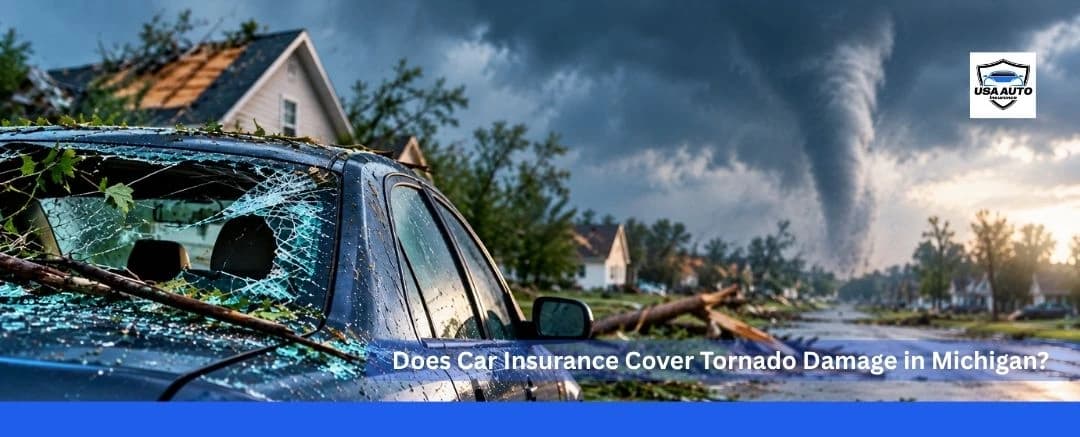
Does Car Insurance Cover Tornado Damage in Michigan?
Yes, car insurance can cover tornado damage in Michigan if you have comprehensive coverage. This optional coverage generally protects your vehicle from covered losses that do not result from a collision.
Can You Get Temporary Car Insurance?
Yes, you can get coverage for short-term driving needs, but probably not in the way you expect.
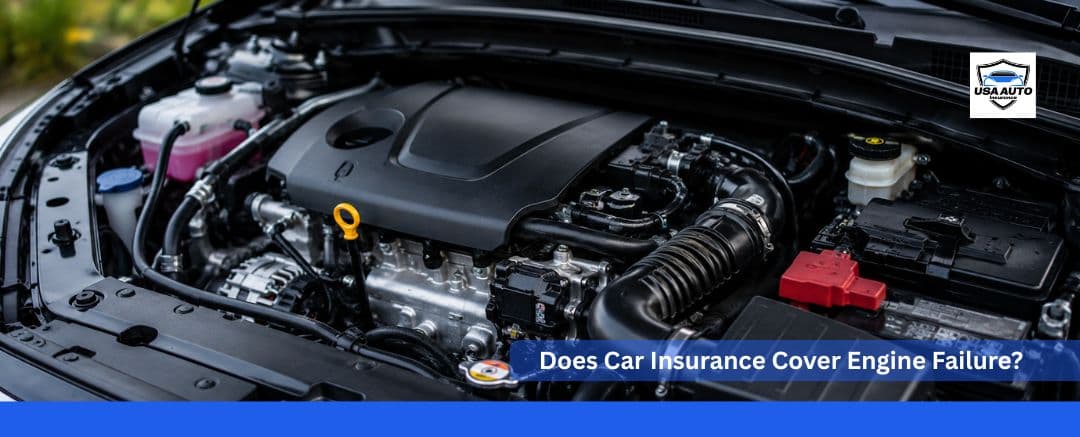
Does Car Insurance Cover Engine Failure?
Generally, no. Standard auto insurance doesn't cover engine failure caused by mechanical breakdown, normal wear and tear, or poor maintenance.

USA Auto Insurance
USA Auto is a licensed Managing General Agent (MGA) providing auto insurance policies underwritten by USA Underwriters Insurance Company.
Support
Copyright © USA Auto
Built by Neutrix | Powered by Neutrix Systems