April 30, 2026
Car Insurance Coverage
Does Car Insurance Cover Rodent Damage?
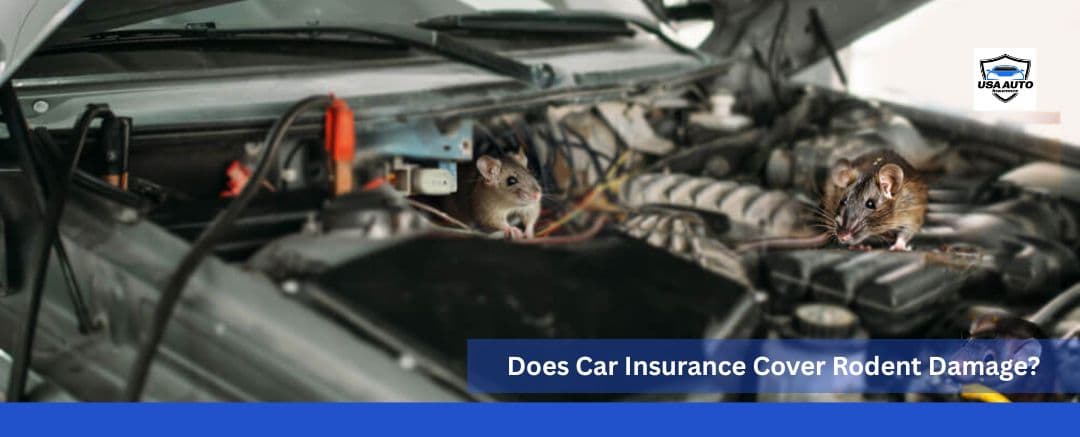
Rodent damage to vehicles is quite common in the United States. Rats, mice, and squirrels often look for warm shelter under the hood, especially during colder months. As a result, they may chew through wiring and insulation, which can lead to warning lights, electrical issues, or even engine failure.
The National Pest Management Association (NPMA) reported in its 2017 survey that about one-third (29%) of Americans had personally encountered rodent-related vehicle damage. One Chicago-based Insurance company reveals that 25% of all comprehensive car insurance claims involve rodent damage.
So, this explains why many drivers wonder whether their auto insurance will cover rodent damage to their vehicle. The answer is simple: yes. Rodent damage to your vehicle is covered by auto insurance as long as you carry comprehensive coverage.
Comprehensive car insurance is actually designed to cover auto repair bills caused by any non-collision event, animal-related damage, or natural causes that are out of your control. So, keep reading to understand what’s covered, what’s not, and how to handle a claim.
Does Car Insurance Cover Rodent Damage? (Quick Answer)
- Yes, car insurance can cover rodent damage but only under comprehensive coverage.
- Comprehensive insurance coverage pays for damage caused by animals, including rats and mice.
- It applies when your vehicle is parked or not in use.
- Collision and liability insurance do not cover rodent damage.
- You must pay your deductible before your insurance company covers the rest.
- Coverage depends on your insurance policy terms and proof of damage.
When Car Insurance Covers Rodent Damage
Your auto insurance will cover rodent damage when you have comprehensive coverage included in your car insurance policy. This coverage is specifically designed for risks that are outside your control. So, animal damage clearly falls into this category.
For example, if rodents chew through your car’s wiring while it is parked in your garage or driveway, your insurance coverage typically applies. Similarly, if they build nests in the engine bay and cause internal damage, it is still considered a covered comprehensive claim.
However, the key factor is that the damage must be sudden and accidental. Insurance companies expect that you maintain your vehicle properly. So, as long as there is no clear neglect and you can show evidence of rodent activity, your insurance company will usually approve the claim.
What Types of Rodent Damage Are Typically Covered?
Rodents can damage several parts of your vehicle, and most of it is covered under comprehensive coverage. This is because the damage is sudden, accidental, and caused by animals, not a collision.
In most cases, your insurance company will cover repairs related to:
- Chewed wiring and electrical systems: This is the most common and expensive issue. Damaged wires can trigger warning lights or prevent the car from starting.
- Insulation damage: Rodents often tear insulation for nesting, which can expose critical components.
- Hoses, belts, and rubber parts: These soft materials are easy targets and can affect engine performance.
- Air filters and engine components: Nesting inside the engine bay can block airflow and cause overheating.
- Interior damage: In some cases, rodents enter the cabin and damage seats, carpets, or stored items.
However, coverage depends on your insurance policy and the extent of the damage. So, proper documentation and inspection are still important for a smooth insurance claim.
When Does Car Insurance Not Cover Rodent Damage?
While comprehensive insurance coverage helps in many cases, it does not cover everything. There are specific situations where your auto insurance may deny a rodent damage claim.
Most commonly, coverage may not apply in the following cases:
- No comprehensive coverage: If your car insurance policy only includes liability or collision, rodent damage is not covered.
- Lack of maintenance or neglect: If your vehicle sits unused for a long time and the damage builds up gradually, insurers may deny the claim.
- Pre-existing damage: Any damage that existed before your policy started will not be covered.
- Repeated damage without prevention: If you file multiple claims without addressing the root cause, your insurance company may limit or deny future claims.
- Wear and tear: Insurance does not cover general deterioration, even if rodents contributed over time.
How Insurance Companies Evaluate Rodent Damage Claims
When you file a rodent damage claim, your insurance company does not approve it automatically. Instead, they carefully review the cause, timing, and condition of your vehicle before deciding.
First, an adjuster or mechanic will inspect the damage. They look for clear signs of rodent activity, such as bite marks, droppings, nesting material, or chewed wiring. These details help confirm that the issue was caused by animals and not wear and tear.
Next, they evaluate how the damage occurred. Insurance companies want to see that the problem was sudden and accidental. So, if the damage appears to have developed over time due to neglect, your insurance claim may be denied.
They also review your insurance policy and coverage details. If you have active comprehensive coverage, your claim is more likely to be approved. However, your deductible will still apply before any payout is made.
To improve your chances, you should:
- Take clear photos of the damage as soon as you notice it
- Get a professional inspection or repair estimate
- Report the issue quickly to your insurance company
- Keep records of maintenance and vehicle use
How Much Does Rodent Damage Cost to Repair?
Rodent damage can be surprisingly expensive. In many cases, the cost depends on how deep the damage goes and which parts of your vehicle are affected.
For minor problems, such as a few chewed wires, repairs usually range from $200 to $500. However, if rodents damage sensors or critical engine wiring, the cost increases quickly. In more serious cases, like a full wiring harness replacement, repairs can reach $1,000 to $5,000 or more.
Here’s a simple breakdown to help you understand typical repair costs:
Type of Damage | Average Repair Cost |
Minor chewed wiring | $200 to $500 |
Sensor wiring damage | $500 to $1,200 |
Fuel injector wiring damage | $800 to $1,500 |
Main wiring harness replacement | $1,000 to $5,000+ |
However, if you own a newer or luxury vehicle, it would be more costly to repair. This is mainly because many use soy-based wiring, which tends to attract rodents. So, the risk and repair cost both increase.
Should You File a Claim for Rodent Damage?
Yes, you should file a claim for rodent damage under comprehensive coverage if your repair costs are higher than your auto deductible. This is especially true for major electrical damage or wiring harness repairs, which can cost thousands.
However, if the damage is minor, you may want to pay out of pocket. Filing small claims can sometimes affect your car insurance rates over time, even though comprehensive claims usually have less impact than collision claims.
Here’s a simple way to decide:
- File a claim if repair costs are significantly higher than your deductible
- Avoid filing if the damage is minor or close to your deductible
- Consider your claims history and future insurance premium impact
- Get a repair estimate before contacting your insurance company
How to File a Rodent Damage Claim (Step by Step)
Filing a rodent damage insurance claim is usually simple. However, you should focus on timing as well as documentation to experience a successful and hassle-free claim process.
Here’s how the process typically works:
- Inspect the damage: First, check your vehicle for visible signs like chewed wires, droppings, or nests. This helps confirm rodent activity.
- Take clear photos and videos: Document everything before repairs. This evidence supports your insurance claim.
- Contact your insurance company: Report the damage as soon as possible. Provide details about when and how you noticed the issue.
- Get a professional inspection: Your insurer may send an adjuster or ask for a mechanic’s estimate. This helps verify the cause and cost.
- Review your coverage and deductible: Confirm that your comprehensive coverage applies and understand what you will pay out of pocket.
- Approve repairs and complete the claim: Once approved, you can proceed with repairs. Your insurance company will pay the covered amount after your deductible.
Although filing an insurance claim for rodent damage can protect you from major repair costs, prevention should always come first. Small steps can help you avoid repeated damage and future claims. So, in the next sections, you’ll learn how to identify rodent activity in your vehicle, why this problem is becoming more common, and what practical measures you can take to protect your car.
Identifying Rodent Damage to Your Vehicle
Rodent damage is not always easy to spot in the beginning. However, your vehicle will often show early warning signs if you pay close attention. Identifying the issue early can help you avoid expensive repairs and a larger insurance claim.
One of the first signs is electrical trouble. You may notice dashboard warning lights, flickering signals, or difficulty starting the engine. In some cases, a burning smell may appear, which often points to chewed wiring or damaged insulation.
You should also check for physical evidence under the hood. Common signs include:
- Droppings or urine stains near the engine
- Nesting materials like shredded paper, leaves, or fabric
- Visible bite marks on wires, hoses, or insulation
- Unusual noises, especially after the car has been parked
So, if your car starts behaving unexpectedly and you notice these signs, rodents may be the cause. Acting quickly not only protects your car insurance coverage but also prevents further damage.
Why Rodents Target Cars (And Why It’s Getting Worse)
Rodents are naturally drawn to cars because they offer warmth, shelter, and easy access to materials for nesting. This is especially common during colder months when outdoor conditions become harsh. As a result, your parked vehicle becomes an ideal hiding spot.
Another major reason is modern vehicle design. Many manufacturers now use soy-based or plant-based wire coatings. Although these materials are eco-friendly, they can attract rodents and encourage chewing. So, newer cars may actually face a higher risk of rodent damage.
According to the National Pest Management Association (NPMA), rodents actively seek enclosed spaces like vehicles during fall and winter. This seasonal behavior increases the chances of infestation, especially if your car is parked for long periods.
In addition, urban environments and limited parking movement make the problem worse. A stationary vehicle gives rodents more time to settle in and cause damage.
So if you understand why rodents target cars can help you take preventive steps early. This reduces the risk of repeated damage and protects your insurance coverage in the long run.
Ways to Protect Your Car from Rodent Damage
Preventing rodent damage is always better than filing a claim. According to the National Pest Management Association (NPMA), simple preventive steps can dramatically reduce the risk of rodents taking up residence in your vehicle.
Start by keeping your parking area clean. Rodents are attracted to clutter, garbage, and overgrown vegetation. A tidy garage or lot makes your car far less appealing as a nesting spot.
You can also make your vehicle less hospitable with deterrents:
- Seal entry points: Ensure no gaps under the hood or around the engine where rodents could squeeze in.
- Use repellents: Peppermint oil, ultrasonic devices, or commercial rodent repellents can discourage chewing.
- Park strategically: Avoid leaving your car near dumpsters, wooded areas, or tall grass where rodents hide.
- Move your car regularly: Rodents prefer stationary vehicles. Frequent movement reduces the chance of infestation.
- Store food elsewhere: Never leave snacks or pet food inside your car; it attracts rodents immediately.
FAQs About Does Auto Insurance Cover Rodent Damage
How much does rodent damage to car wiring cost?
Minor wiring repairs typically cost $200 to $500. But major damage to the wiring harness can reach $1,000 to $5,000+, especially on luxury or newer vehicles with soy-based wiring.
Does a car warranty cover rodent damage?
Most standard car warranties do not cover rodent damage, as it’s considered external and preventable. Only comprehensive insurance usually applies.
Does insurance cover rats chewing car wires?
Yes, if you have comprehensive coverage, your policy will usually cover damage caused by rodents, including chewed wiring, hoses, and insulation.
Is rodent damage considered an accident?
No. Rodent damage is classified as a non-collision event. That’s why it falls under comprehensive coverage, not collision coverage.
Will filing a rodent claim raise my premium?
Filing a comprehensive claim for rodent damage usually has minimal impact on your premium. Still, frequent claims may be considered in future underwriting.
How do I prove rodent damage to insurance?
Document the damage with photos, videos, and mechanic estimates. Evidence like nesting materials, droppings, or bite marks can help confirm the cause.
Can rodents total a car?
In extreme cases, severe electrical or engine damage can make repair costs exceed the vehicle’s value, which may potentially lead an insurer to declare it a total loss.
Tag :
auto insurance
Latest Blog
Does Car Insurance Cover Vandalism?
Yes, car insurance does cover vandalism, but only if you have comprehensive coverage. If you just have the basic liability coverage, your auto insurance policy won’t cover your car’s repair or replacement costs caused by vandalism.

What is a Deductible in Car Insurance?
A deductible in car insurance is the amount you agree to pay out of pocket toward a covered claim before your insurance provider pays the remaining costs.
Should I Have Collision Insurance on a 10-Year-Old Car in Michigan?
Yes, you may still want collision insurance on a 10-year-old car in Michigan. The vehicle's age alone does not determine whether the coverage is worth keeping.
Does Car Insurance Cover Tornado Damage in Michigan?
Yes, car insurance can cover tornado damage in Michigan if you have comprehensive coverage. This optional coverage generally protects your vehicle from covered losses that do not result from a collision.
Can You Get Temporary Car Insurance?
Yes, you can get coverage for short-term driving needs, but probably not in the way you expect.
Does Car Insurance Cover Engine Failure?
Generally, no. Standard auto insurance doesn't cover engine failure caused by mechanical breakdown, normal wear and tear, or poor maintenance.

USA Auto Insurance
USA Auto is a licensed Managing General Agent (MGA) providing auto insurance policies underwritten by USA Underwriters Insurance Company.
Support
Copyright © USA Auto
Built by Neutrix | Powered by Neutrix Systems