April 7, 2026
Car Insurance Coverage
Does Car Insurance Cover Flood Damage?
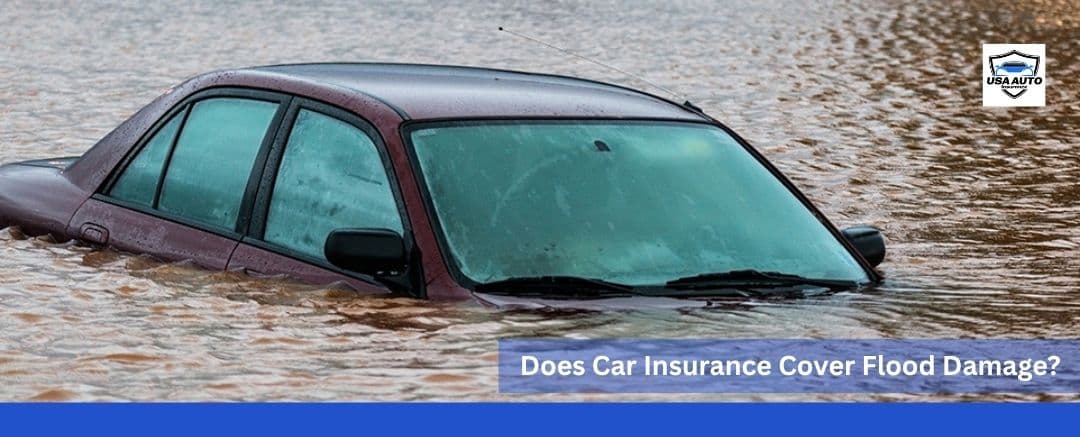
Whether your car is safely parked in your garage, the front yard, or you’re in a situation where you need to drive through the flood, it is susceptible to significant water damage. The moment floodwater seeps in, it can disrupt your car’s engine, transmission, HVAC system, and other core components.
If the flood partially submerges your car, it can even damage your car’s interior, including your car’s seats, sound system, and other parts. If you live in a flood-prone area, it’s important to ensure that your car insurance covers flood damage.
The good news is that it does, but only if you have comprehensive coverage. In this article, you will learn how comprehensive coverage protects your car against flood damage, along with endorsement options for enhanced financial protection.
How Does Flood Damage Your Car?
If floodwater gets inside a vehicle, it can quickly shut down the engine and cause severe internal damage. Even a few hours of exposure can lead to hydro lock, while prolonged exposure can result in rust, corrosion, and contamination of essential fluids, often requiring costly repairs or even full engine replacement.
Flooding can also damage electrical systems, sensors, and interior components like seats and upholstery. Moisture trapped inside the vehicle increases the risk of rust, mold, and long-term mechanical failure.
According to Carfax, nearly 500,000 vehicles were damaged by floods across the U.S. in 2025, compared to about 347,000 in 2024, which shows the growing risk of flood-related vehicle damage whether a car is on the road or parked.
Data from the NOAA Office for Coastal Management shows a significant rise in flooding events across the U.S., with some regions experiencing sharp increases in frequency. Projections suggest that flood risks will continue to grow in the coming years, particularly in coastal and low-lying areas, due to the gradual rise in sea level.
Regardless of the severity of the damage, comprehensive coverage covers minor to critical flood damage, including both repair and replacement expenses after deductibles.
What Type of Car Insurance Covers Flood Damage?
Whether you’re reviewing your existing car insurance policy or purchasing a new one, if you want to ensure protection against flood damage, you need to have comprehensive coverage. It is the only type of car insurance coverage that covers damage caused by flooding, heavy rain, or other natural disasters.
Without comprehensive coverage, you’ll have to pay for flood-related damage out of pocket, as liability and collision insurance do not cover water damage caused by floods. Comprehensive insurance is designed to cover events beyond your control, including natural disasters like floods, earthquakes, and storms, as well as incidents like theft and vandalism.
If you’re shopping for car insurance, it’s essential to choose a reliable insurer with a strong track record of handling comprehensive claims, especially for flood-related damage.
Car Insurance Endorsements for Enhanced Protection
While comprehensive coverage protects your car against flood damage, it pays based on actual cash value (ACV). This means your payout is reduced by depreciation, which may not be enough to fully replace your vehicle if it’s declared a total loss.
In addition, flood damage can leave you with extra expenses such as towing your vehicle to a repair shop or renting a car while yours is being repaired. To bridge these gaps, you can add endorsements to your policy for enhanced financial protection, as outlined below.
Gap Insurance Coverage
Gap insurance helps cover the difference between what your car is worth and what you still owe on your auto loan or lease if your vehicle is declared a total loss due to flood damage. Since comprehensive coverage pays based on actual cash value (ACV), depreciation can significantly reduce your payout, often leaving you with an outstanding balance.
For example, if your car is worth $15,000 at the time of the loss, but you still owe $20,000 on your loan, comprehensive coverage will only pay up to the car’s current value (minus your deductible).
Gap insurance covers the remaining $5,000, preventing you from paying out of pocket for a vehicle you no longer have. This coverage is especially valuable for newer vehicles, leased cars, or loans with low down payments, where depreciation happens quickly in the first few years.
New Car Replacement Coverage
New car replacement coverage ensures that if your vehicle is declared a total loss due to flood damage, your insurer will replace it with a brand-new car of the same make and model instead of paying its depreciated value.
Unlike standard comprehensive coverage, which reimburses you based on actual cash value (ACV), this endorsement eliminates the impact of depreciation, allowing you to recover the full cost of a new vehicle.
This coverage is typically available for newer vehicles, often within the first one to two years of ownership. It’s especially beneficial if your car is heavily damaged by flooding shortly after purchase, helping you avoid a financial loss and get back on the road with a new replacement.
OEM Coverage
While using third-party parts to replace damaged components is a common and cost-effective option, it can sometimes affect your vehicle’s performance and lead to compatibility issues.
Flooding can damage critical parts of a vehicle, including the engine, transmission, and HVAC system, often requiring multiple replacements during repairs. OEM (Original Equipment Manufacturer) coverage ensures that your insurer uses original parts from your car’s manufacturer instead of aftermarket alternatives.
This helps maintain your vehicle’s performance, safety standards, and overall value. The OEM coverage endorsement is especially valuable for newer or high-end vehicles, where using non-OEM parts could impact long-term reliability and resale value.
Rental Car Reimbursement Coverage
If your car is damaged by flooding and needs repairs, you may be left without a vehicle for days or even weeks. This can disrupt your daily routine, especially if you rely on your car for commuting or essential tasks.
Rental car reimbursement coverage helps cover the cost of renting a temporary vehicle while your car is being repaired due to a covered claim, such as flood damage under comprehensive coverage.
This endorsement typically pays up to a daily limit for a specified period, making it a practical addition if you want to avoid out-of-pocket transportation expenses during the repair process.
Roadside Assistance Coverage
Flooding can leave your vehicle stranded, especially if water stalls the engine or makes the car unsafe to drive. In such situations, getting immediate help is essential to prevent further damage.
Roadside assistance coverage provides support services such as towing your vehicle to the nearest repair facility, battery jump-starts, lockout assistance, and emergency fuel delivery. If your car becomes inoperable due to flood damage, towing is often the most relevant benefit.
While this coverage doesn’t pay for repairs, it helps you manage the immediate aftermath of a flood-related breakdown, reducing the hassle and out-of-pocket costs of arranging assistance on your own.
Does Car Insurance Cover Engine Damage from Flooding?
Floodwater can cause severe engine damage, especially if it enters critical components and leads to issues like hydrolock. In many cases, the damage can be extensive enough to require costly repairs or even a full engine replacement.
Yes, comprehensive car insurance covers engine damage caused by flooding. It typically pays for repair or replacement costs based on your vehicle’s actual cash value (ACV), after deductibles.
If you have an OEM coverage endorsement, your insurer may cover the cost of replacing damaged engine parts with original manufacturer components, helping maintain your vehicle’s performance and reliability.
When Does Car Insurance Not Cover Flood Damage?
Car insurance will not cover flood damage if your policy does not include comprehensive coverage. Liability and collision coverage don’t cover water-related damage caused by flooding.
In addition, there are several situations where your policy may deny or limit coverage for flood damage, such as:
- Policy lapse: If your insurance policy has expired due to missed payments, any flood damage that occurs during that period won’t be covered.
- Intentional damage or negligence: Claims may be denied if the insurer determines that you knowingly drove into deep floodwaters or failed to take reasonable precautions to protect your vehicle.
- Using the vehicle for excluded purposes: If your car is being used for commercial activities (like ridesharing or delivery) without proper coverage, your claim may be rejected.
- Aftermarket modifications not covered: Custom parts or modifications may not be covered unless you have additional coverage specifically for them.
- Delayed claim reporting: Failing to report flood damage promptly or not documenting the damage properly can lead to claim denial or reduced payout.
- Binding Restriction: Most insurers may temporarily restrict or suspend the ability to purchase or modify coverage when a flood or major storm is imminent. This means you typically cannot add comprehensive coverage at the last minute to cover an approaching flood event.
- Items Inside the Car: Car insurance only covers damage to the vehicle itself, not personal belongings inside it. If items like a laptop, phone, or tablet are damaged due to flooding, comprehensive coverage will not pay for those losses. In most cases, these items may be covered under a homeowners or renters insurance policy instead.
How Much Does It Cost to Fix a Flood-Damaged Car?
If your car has been submerged in floodwater for even a few hours, repair costs can quickly add up. Water intrusion affects multiple systems at once, making flood damage one of the most expensive types of vehicle damage to fix.
On average, repairs can cost between $3,000 and $5,000 for moderate damage. In more severe cases especially when the engine, transmission, or electrical systems are affected costs can exceed $10,000 to $15,000 and may even lead to a total loss.
Flood damage often impacts critical components such as the engine, wiring, sensors, and interior systems. Issues like hydrolock, corrosion, and electrical failure can require extensive repairs or full replacements, significantly increasing overall costs.
Without comprehensive coverage, you would be responsible for the entire cost, whether it’s a few thousand dollars in repairs or the full value of a totaled vehicle. For anyone living in flood-prone areas or regions with heavy rainfall, having this coverage can make the difference between manageable costs and a major financial setback.
Does Flood Insurance Cover Your Car?
While flood insurance covers damage to your home and personal belongings caused by flooding, it does not extend to vehicles. Standard flood insurance policies are specifically designed to protect buildings and their contents, not motor vehicles.
In fact, cars and other vehicles are explicitly excluded from flood insurance coverage. This means that if your car is damaged or destroyed by floodwater, you won’t be able to file a claim under your flood insurance policy.
So, to protect your vehicle against flood-related damage, you need comprehensive coverage as part of your auto insurance policy. Comprehensive coverage is the only type of car insurance that covers damage caused by floods, heavy rain, and other natural disasters.
Without it, you would be responsible for covering the full cost of repairs or replacement out of pocket, which can be financially overwhelming in the case of severe flood damage.
What to Do If Your Car Is Flood-Damaged?
If floodwater gets inside your car, acting quickly can help minimize damage and repair costs. The longer water sits in your vehicle, the greater the risk of corrosion, electrical failure, and permanent mechanical issues. So, to prevent further damage, avoid driving the car and have it towed to a repair facility as soon as possible.
Here’s what you should do if your car is flood-damaged:
- Do not start the engine: If your car has been exposed to floodwater, avoid turning it on. Starting the engine can cause severe damage, especially if water has entered the engine (hydrolock).
- Disconnect the battery (if its safe to do so): This helps prevent electrical short circuits and further damage to your car’s electronic systems.
- Move the car to a safe location: If possible, push the vehicle to higher ground. If not, arrange for it to be towed instead of driving it.
- Document the damage: Take clear photos and videos of both the interior and exterior damage. This will help support your insurance claim.
- Contact your insurer: Report the damage as soon as possible and follow their instructions for filing a claim. Prompt reporting can help avoid delays or complications.
- Have the car inspected by a professional: A qualified mechanic can assess the extent of the damage and determine whether the car can be repaired or is a total loss.
- Remove moisture and personal belongings: Take out any items inside the car and, if possible, begin drying the interior to reduce mold and further damage.
If you want to ensure that your car insurance will cover the repair and replacement costs, you should follow these steps to help minimize damage, speed up the claims process, and reduce your overall repair costs.
The Bottom Line: Stay Protected with Comprehensive Coverage and Add-Ons
If you’re located in a flood-prone area, then you should definitely consider adding comprehensive coverage to keep your car protected against flood damage. For enhanced financial protection, you should consider add-on coverage or endorsements.
Even if you’re not located in a flood-prone zone, you should keep comprehensive coverage to ensure your car stays financially secure against flood-related damages. Floods are quite unpredictable; they can occur in various locations, including highlands, due to heavy rainfall, storms, and issues with the drainage system.
Also, if you’re traveling to another city or state, you might encounter a flood on the way, or your car may be susceptible to flood damage in another location. So, it’s essential to have comprehensive coverage to ensure you’re always protected.
If you need help understanding how to purchase comprehensive coverage or deciding which endorsements to choose, you can contact us for a free quote with expert guidance.
Frequently Asked Questions (FAQs)
How much will insurance pay for a flooded car?
Insurance typically pays the actual cash value (ACV) of your car at the time of the flood, minus your deductible. This reflects your car’s current market value after depreciation.
If repair costs are lower than the car’s value, your insurer will cover repairs under comprehensive coverage. If the car is declared a total loss, you’ll receive the ACV instead. Add-ons like gap insurance or new car replacement coverage may increase your payout by covering loan balances or replacing your vehicle.
Will car insurance pay for water damage?
Yes, car insurance will pay for water damage only if you have comprehensive coverage. It covers damage caused by flooding, heavy rain, or other water-related events beyond your control. If you don’t have comprehensive coverage, you’ll have to pay for repairs or replacement out of pocket.
What type of water damage is not covered by car insurance?
Car insurance will not cover water damage if you don’t have comprehensive coverage. Claims may also be denied if the damage is caused by negligence, such as knowingly driving through deep floodwater, or if your policy has lapsed.
In addition, personal belongings inside the car are not covered under auto insurance. Flood insurance also does not cover vehicles, so without comprehensive coverage, you would have to pay for water damage out of pocket.
Are cars with flood damage worth it?
Cars with flood damage are usually not worth it. Flooding can cause hidden issues like electrical failures, corrosion, and long-term mechanical problems that may not appear immediately. While they may be cheaper to buy, repair costs and reliability concerns often outweigh the savings, making them a risky investment.
Tag :
auto insurance
Latest Blog
Does Car Insurance Cover Vandalism?
Yes, car insurance does cover vandalism, but only if you have comprehensive coverage. If you just have the basic liability coverage, your auto insurance policy won’t cover your car’s repair or replacement costs caused by vandalism.
What is a Deductible in Car Insurance?
A deductible in car insurance is the amount you agree to pay out of pocket toward a covered claim before your insurance provider pays the remaining costs.
Should I Have Collision Insurance on a 10-Year-Old Car in Michigan?
Yes, you may still want collision insurance on a 10-year-old car in Michigan. The vehicle's age alone does not determine whether the coverage is worth keeping.
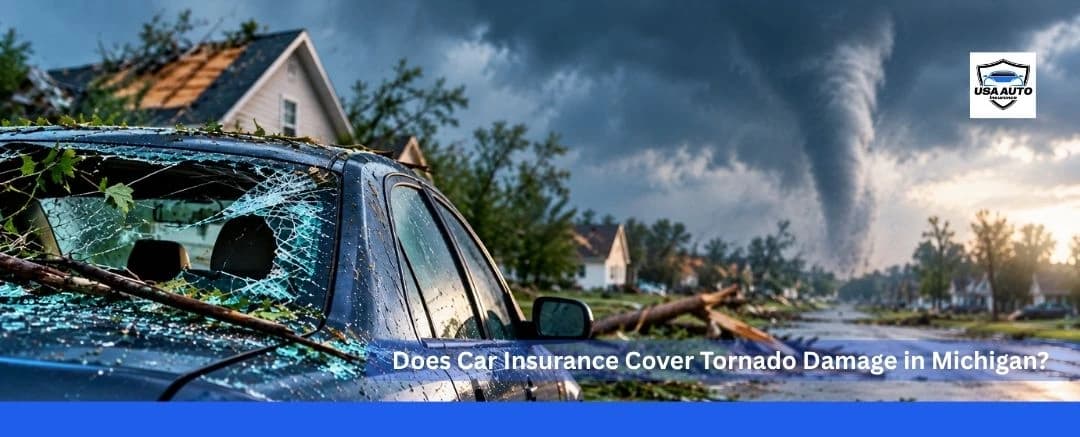
Does Car Insurance Cover Tornado Damage in Michigan?
Yes, car insurance can cover tornado damage in Michigan if you have comprehensive coverage. This optional coverage generally protects your vehicle from covered losses that do not result from a collision.
Can You Get Temporary Car Insurance?
Yes, you can get coverage for short-term driving needs, but probably not in the way you expect.
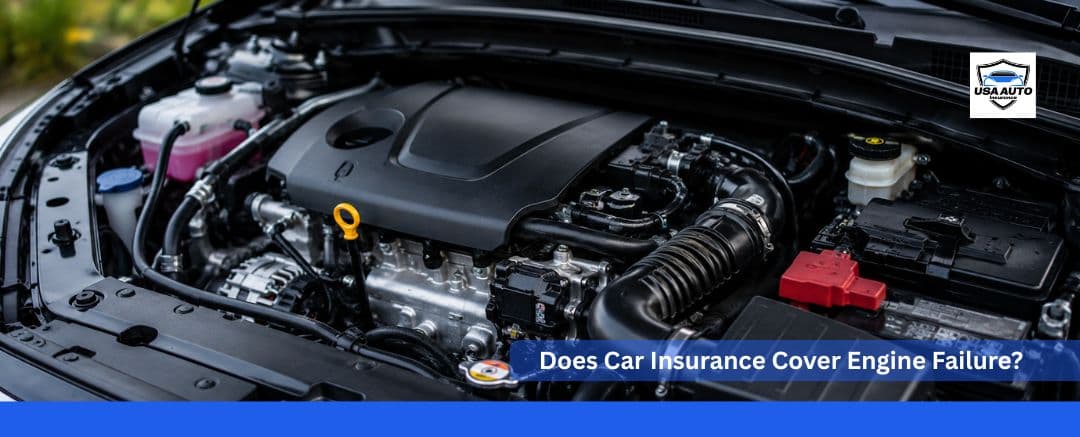
Does Car Insurance Cover Engine Failure?
Generally, no. Standard auto insurance doesn't cover engine failure caused by mechanical breakdown, normal wear and tear, or poor maintenance.

USA Auto Insurance
USA Auto is a licensed Managing General Agent (MGA) providing auto insurance policies underwritten by USA Underwriters Insurance Company.
Support
Copyright © USA Auto
Built by Neutrix | Powered by Neutrix Systems