May 7, 2026
Car Insurance Coverage
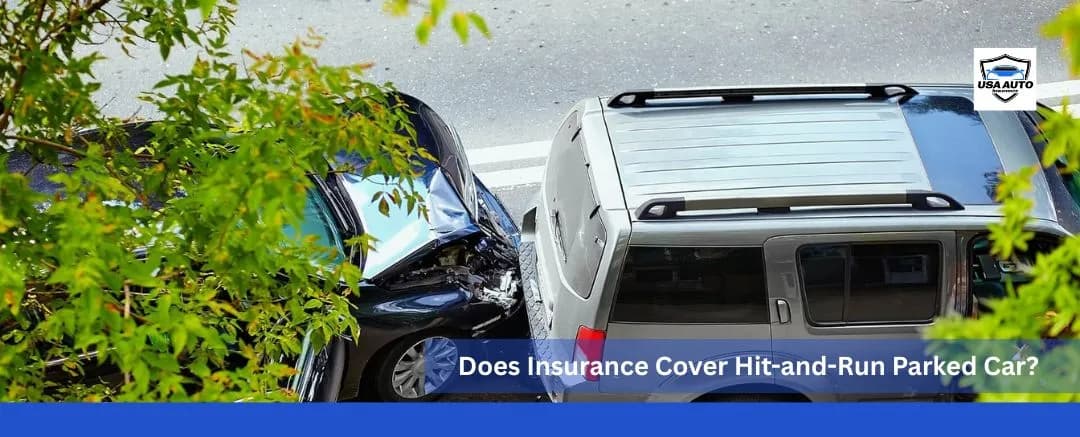
Does Insurance Cover Hit-and-Run Parked Car?
The harsh truth is, your car isn’t just susceptible to collision while you’re driving on public roads. It can even get hit while it’s safely parked in your garage, on the street side, or in a parking lot.
Now, what happens if someone hits your car and drives off? If you have auto insurance, your first concern could be ‘does insurance cover a hit-and-run parked car?
Yes, car insurance can cover a hit-and-run on a parked car, but it depends on your policy. Collision coverage typically pays for the damage, while uninsured motorist property damage (UMPD) may apply in some states. In most cases, you’ll still need to pay a deductible.
If someone hits your parked car and drives off, knowing what your insurance covers and what steps to take next can make a big difference. In this guide, you’ll learn when coverage applies, which policies protect you, and how to handle a hit-and-run claim.
When Does Car Insurance Cover a Hit-and-Run Parked Car?
When a hit-and-run involving a parked car occurs, there are typically two scenarios: either someone hits your parked car and drives off, or you accidentally hit someone else’s parked vehicle.
Car insurance can cover both situations, but it mainly depends on the type of coverage you have on your auto insurance policy. If your parked car is damaged, collision coverage or uninsured motorist property damage (UMPD) may help pay for repairs.
On the other hand, if you hit someone else’s parked car, your liability coverage typically pays for the damage. Here's a breakdown of situations when coverage applies, and how car insurance protects you in each situation.
When Someone Hits Your Car and Flees
When someone hits your parked car and drives off without providing any information, it is considered a hit-and-run incident. Unfortunately, these accidents are more common than many drivers realize.
According to the AAA Foundation for Traffic Safety, over 900,000 police reports for hit-and-run crashes were filed in 2023. In fact, a hit-and-run accident occurs roughly every 43 seconds in the U.S.
Additional research from ValuePenguin shows that nearly 60% of drivers say their parked car has been damaged by another vehicle, and about 70% report that the responsible driver did not leave any contact information.
As the at-fault driver is often unidentified, you typically cannot rely on their liability insurance to cover the damage. Instead, coverage depends on your own policy.
In most cases, collision coverage can help pay for repairs regardless of fault. In some states, uninsured motorist property damage (UMPD) may also apply if the driver cannot be identified or lacks sufficient coverage.
When You Accidentally Hit Someone’s Parked Car
If you accidentally hit someone else’s parked car and leave the scene without providing your information, it can be considered a hit-and-run even if the damage was unintentional. In this situation, your auto insurance may still cover the damages, depending on your policy.
If you have damaged the other driver’s car, their personal property, or injured them, then your liability coverage may cover any repair/replacement costs along with their medical bills up to your coverage limits.
On the other hand, if your car was damaged in the process, then your collision coverage should pay for your car’s repair/replacement costs. If you and your passengers were injured, the PIP (personal injury protection) coverage, or MedPay (medical payments coverage) should cover the medical expenses.
What Type of Car Insurance Covers a Hit-and-Run Parked Car?
If you want to keep your car protected from accidental hit-and-run crashes while it’s parked, it’s important to ensure you have the right coverage in your policy from a reliable insurance provider. Keep in mind that, if you don’t have the following coverage, you won’t get any financial compensation even if you have an active car insurance policy.
Collision Coverage
Collision coverage is one of the most common ways to pay for damage from a hit-and-run involving a parked car. It covers the cost to repair or replace your vehicle if it’s damaged in a collision, regardless of who caused the accident.
In a hit-and-run situation, the at-fault driver is often unknown, which means you can’t rely on their insurance. With collision coverage, your insurer can still pay for your vehicle’s damage, even if the other driver is never identified. While this coverage is optional, it’s especially valuable if you want protection against unpredictable incidents like hit-and-run accidents involving a parked car.
Uninsured/Underinsured Motorist (UI/UIM) Coverage
Uninsured/underinsured motorist (UM/UIM) coverage can also help in certain hit-and-run situations involving a parked car. This coverage is designed to protect you when the at-fault driver either doesn’t have insurance, doesn’t have enough coverage, or cannot be identified.
In many states, uninsured motorist property damage (UMPD) may cover repairs to your vehicle if your parked car is hit and the driver flees the scene. Since a hit-and-run driver is typically unidentified, they are often treated as uninsured for insurance purposes.
However, the availability and rules for UMPD vary by state. Some states require the at-fault driver to be identified, while others allow coverage even if the driver is unknown. UM/UIM coverage is usually optional, but it can provide an extra layer of protection, especially in hit-and-run cases where you can’t rely on the other driver’s insurance.
Does Comprehensive Insurance Cover Hit-and-Run?
No, comprehensive coverage typically does not cover hit-and-run damage to a parked car. Hit-and-run incidents are considered collisions, which are usually covered under collision coverage, not comprehensive insurance.
Comprehensive coverage is designed to protect against non-collision events, such as theft, vandalism, weather damage, or falling objects.
For example, if an animal such as a deer hits your parked car, comprehensive coverage may help pay for the repair or replacement costs. While this isn’t considered a hit-and-run incident, it’s a similar situation where your parked car is damaged by an unexpected impact involving an animal.
When Can Your Hit-and-Run Damage Claim Get Denied?
Even though hit-and-run damage to a parked car may seem straightforward, your insurance claim can still be denied under certain circumstances. Here are some common situations where coverage may not apply.
- You don’t have the right coverage: If you don’t carry collision coverage or uninsured motorist property damage (UMPD), your insurer may deny the claim since these are typically required for hit-and-run damage.
- You failed to report the incident promptly: Insurance companies often require timely reporting. Delays in notifying your insurer or filing a police report can raise concerns and lead to claim denial.
- Lack of sufficient evidence: If you cannot provide proof of the hit-and-run, such as photos, witness statements, or surveillance footage your insurer may reject the claim due to insufficient documentation.
- Damage is inconsistent with a hit-and-run: If the insurer determines that the damage doesn’t match a hit-and-run scenario, or appears unrelated, your claim may be denied.
- Misrepresentation or inaccurate information: Providing incorrect details about how the damage occurred can result in claim denial, especially if the insurer suspects fraud or inconsistencies.
- Policy exclusions or limitations apply: Certain policies may have exclusions, such as coverage restrictions based on location, usage, or specific conditions outlined in your policy.
What to Do When Someone Hits Your Parked Car?
If someone hits your parked car and flees the scene, you need to act promptly if you intend to claim car insurance for the damage. Here’s what you need to do.
- Check for safety and assess the situation: Make sure the area is safe and confirm that no one is injured. If the accident happened in a busy area, stay alert to surrounding traffic.
- Look for information about the other driver: Check if the driver left a note with their contact or insurance details. Also, scan the area for nearby vehicles that may have been involved.
- Document the damage thoroughly: Take clear photos and videos of your car, including close-ups of the damage, wider shots of the scene, and any debris or skid marks.
- Look for witnesses or surveillance cameras: Ask nearby people if they saw what happened. Check for security cameras from homes, businesses, or parking lots that may have recorded the incident.
- File a police report: Report the hit-and-run to the police as soon as possible. A police report can support your insurance claim and may be required by your insurer.
- Notify your insurance company promptly: Contact your insurer and provide all relevant details, including photos, the police report, and any witness information.
- Keep records of all communications and expenses: Save copies of repair estimates, emails, and any related documents to support your claim and track the process.
How to Claim Car Insurance for a Hit-and-Run Parked Car?
If your parked car is damaged in a hit-and-run accident, it’s important to notify your insurance company as soon as possible. While the claims process is similar to other auto insurance claims, hit-and-run cases often require additional documentation. To get your claim approved, you’ll need to show that the damage was caused by a hit-and-run incident. Proper evidence such as photos, witness statements, and a police report can help support your case. Here are the steps you should follow to file your claim smoothly.
- Report the incident to the police: File a police report as soon as possible and obtain a copy of the report.
- Notify your insurance company: Contact your insurer promptly and provide basic details of the incident.
- File a claim: Submit your claim through your insurer’s mobile app or website, or contact them by phone or email. If needed, you can also visit your insurer in person to complete the claim process.
- Submit evidence of the damage: Share photos, videos, and any available witness statements or surveillance footage.
- Provide required documents: Submit the police report, claim form, and any supporting paperwork requested by your insurer.
- Get a damage assessment: Your insurer may arrange an inspection or ask you to visit an approved repair shop for an estimate.
- Review claim approval and payout: Once approved, your insurer will process the payment based on your coverage and policy terms.
If the claim does not get approved or if it gets delayed, you should follow up with your insurer to understand the progress of the claim process. Insurers usually acknowledge a claim within 10 to 15 days.
If it’s still prolonged, or if it gets denied, you can file an appeal. Yet, if you don’t find any solutions, you can find any solution; you can file a complaint with your State’s Insurance Department. They will investigate your claim, and if it turns out legit, they will instruct your insurer to approve the claim, and cover your expenses based on the policy terms.
Will Claiming Car Insurance for a Hit-and-Run Parked Car Increase Your Premiums?
Whether your premiums increase after a hit-and-run claim depends on several factors, including your insurer, state regulations, and the type of coverage used. In most cases, if another driver hits your parked car and flees, you are considered not at fault.
As a result, some insurers may not increase your premium, especially if the claim is covered under uninsured motorist property damage (UMPD). However, if you file a claim under collision coverage, your insurer may still raise your premium at renewal, even though you were not responsible for the accident.
Insurers may treat any claim as an indicator of increased risk. Ultimately, premium changes vary by insurer and policy terms, so reviewing your coverage details or speaking with your provider can help you understand what to expect.
Do Deductibles Apply When You Claim Car Insurance for a Hit-and-Run Parked Car?
Whether deductibles apply when you claim car insurance for a hit-and-run parked car depends on which car insurance coverage applies in your case. If your liability coverage pays for damage you caused to another person’s parked car, a deductible typically does not apply.
Similarly, in some states, uninsured motorist property damage (UMPD) coverage may cover your vehicle without a deductible or with a lower deductible, depending on your policy.
However, if you’re using collision coverage to repair your own vehicle, you will usually need to pay a deductible before your insurance covers the remaining costs. For example, if your parked car is hit and the repair cost is $2,000, and your collision deductible is $500, you would pay the first $500 out of pocket. Your insurance would then cover the remaining $1,500.
Tips to Avoid Hit-and-Run Damage on a Parked Car
While you can rely on car insurance to cover your car’s repair and even replacement costs through collision coverage in a hit-and-run damage incident while it’s parked, it’s still important to take adequate steps to prevent it.
If you can manage to keep your car safely parked, it will help you avoid the extra hassle of getting your car fixed and putting in the time and effort to claim insurance. Plus, if you can ensure safe parking, it can also increase your chances of lowering your car insurance rate over time through exclusive rates, discounts, and other offers.
So, to minimize the risk of hit-and-run damage to your parked car, here are some practical steps you can take.
- Park in well-lit and high-visibility areas to reduce the risk of hit-and-run incidents
- Avoid tight or crowded parking spaces and choose spots with more room around your car
- Use parking garages or secure lots whenever possible for added protection
- Stay away from intersections and driveways where traffic movement is higher
- Turn your wheels properly when street parking to prevent your car from rolling into traffic
- Install a dash cam with parking mode to record incidents and support insurance claims
- Avoid parking next to poorly parked or careless drivers
- Choose covered or protected parking areas to reduce exposure to potential damage
The Bottom Line: Stay Insured to Keep Your Car Protected
No matter how cautious you are, hit-and-run incidents can damage your car even while it’s parked. And, as the at-fault driver usually drives away and flees, it may not be possible to identify them and get compensated through their liability coverage.
So, if you want to keep your car financially secure from these unexpected hit-and-run accidents while driving your car, or when it’s parked, you need to stay insured with the right coverage, especially liability, UMPD, and collision coverage.
If you need help securing an auto insurance policy at an affordable rate that provides adequate protection against accidents and unexpected events, you can contact us for expert advice with a free quote to obtain the best auto insurance policy within your budget.
Frequently Asked Questions (FAQs)
What should I do if someone hits my parked car and drives off?
You should document the damage with photos, check for witnesses or nearby cameras, and file a police report as soon as possible. After that, notify your insurance company and provide all relevant details to support your claim.
Do I need a police report for a hit-and-run insurance claim?
In most cases, yes. A hit-and-run is typically considered a criminal offense, and a police report helps verify that the incident occurred. It also serves as key documentation for your insurer. Without a police report, your claim may be delayed or even denied.
What if I don’t have collision coverage?
If you don’t have collision coverage, your policy may not cover the damage unless you carry UMPD or similar coverage. Without either, you may have to pay for repairs out of pocket.
How long do I have to file a hit-and-run claim?
The timeframe varies by insurer and state, but you should report the incident as soon as possible. Delays in filing a claim or reporting to the police can affect your chances of getting coverage approved.
Can I still file a claim if I don’t know who hit my car?
Yes, you can still file a claim even if the driver is unknown. Hit-and-run cases often involve unidentified drivers, and your own coverage, such as collision or UMPD, can still help cover the damage.
Tag :
auto insurance
Latest Blog
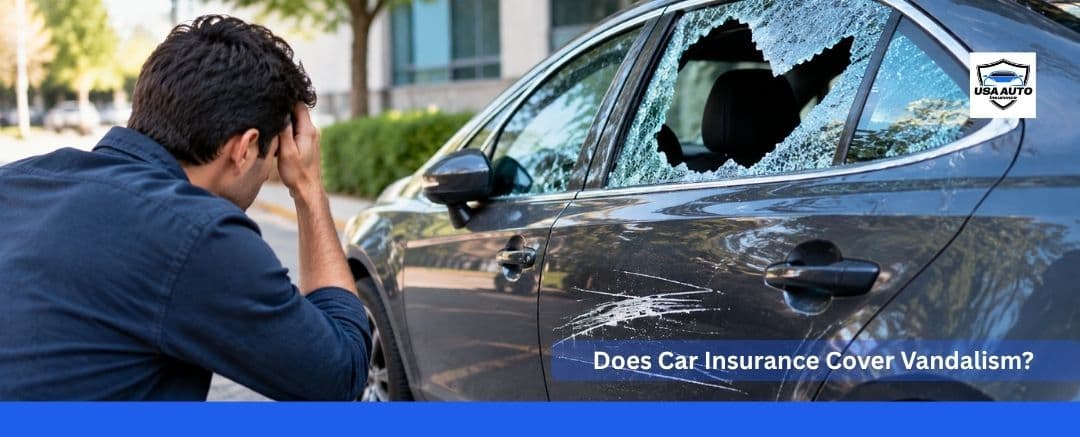
Does Car Insurance Cover Vandalism?
Yes, car insurance does cover vandalism, but only if you have comprehensive coverage. If you just have the basic liability coverage, your auto insurance policy won’t cover your car’s repair or replacement costs caused by vandalism.
What is a Deductible in Car Insurance?
A deductible in car insurance is the amount you agree to pay out of pocket toward a covered claim before your insurance provider pays the remaining costs.
Should I Have Collision Insurance on a 10-Year-Old Car in Michigan?
Yes, you may still want collision insurance on a 10-year-old car in Michigan. The vehicle's age alone does not determine whether the coverage is worth keeping.
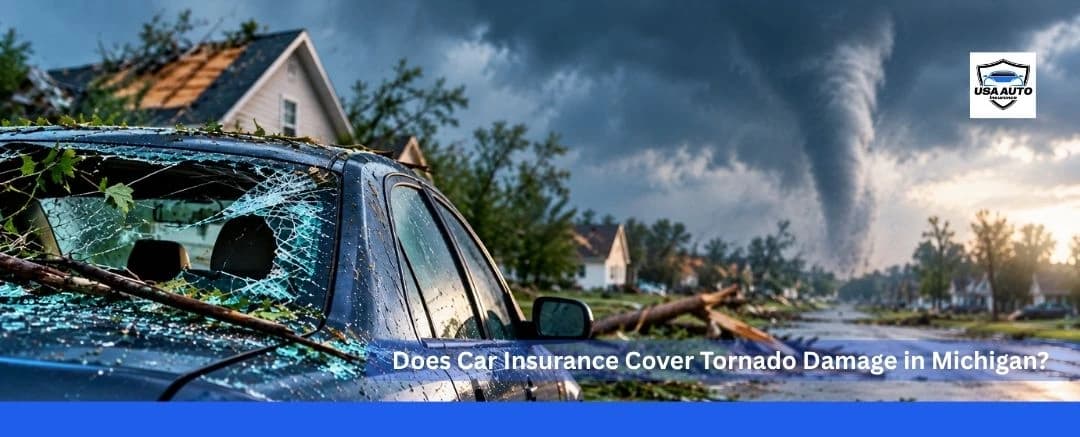
Does Car Insurance Cover Tornado Damage in Michigan?
Yes, car insurance can cover tornado damage in Michigan if you have comprehensive coverage. This optional coverage generally protects your vehicle from covered losses that do not result from a collision.
Can You Get Temporary Car Insurance?
Yes, you can get coverage for short-term driving needs, but probably not in the way you expect.
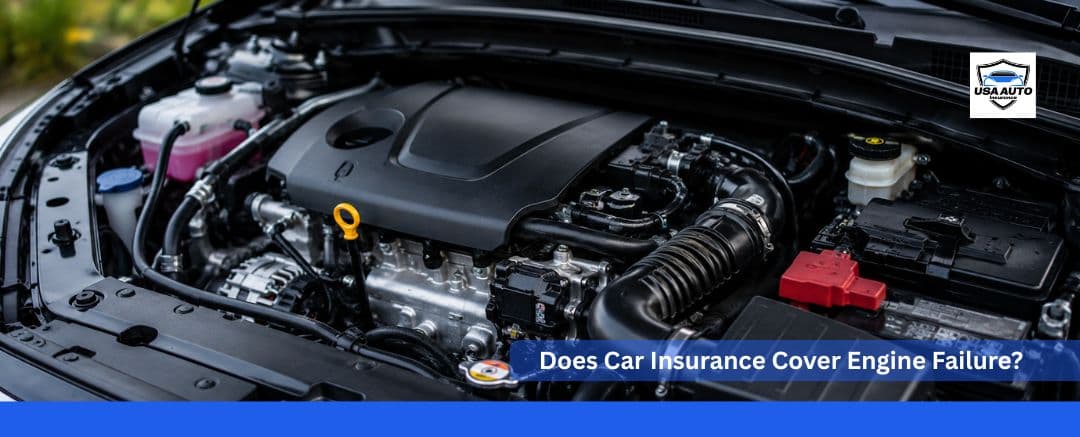
Does Car Insurance Cover Engine Failure?
Generally, no. Standard auto insurance doesn't cover engine failure caused by mechanical breakdown, normal wear and tear, or poor maintenance.

USA Auto Insurance
USA Auto is a licensed Managing General Agent (MGA) providing auto insurance policies underwritten by USA Underwriters Insurance Company.
Support
Copyright © USA Auto
Built by Neutrix | Powered by Neutrix Systems