December 3, 2025
Car Insurance Coverage
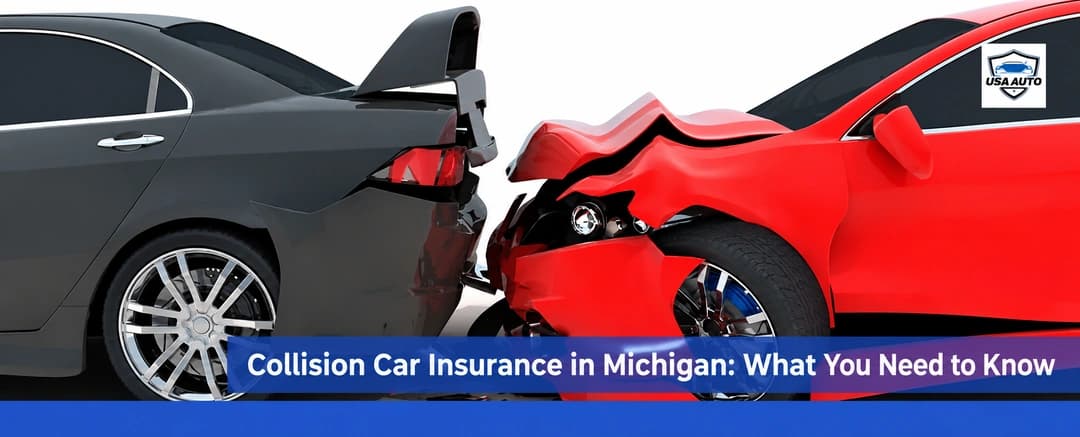
Collision Car Insurance in Michigan: What You Need to Know
Car accidents happen when you least expect them. One moment you’re driving home, the next, a pothole, guard rail, or another vehicle changes everything. The National Safety Council (NSC) estimates that more than 44,000 people died in preventable traffic crashes during 2024. And car crashes in 2019 alone resulted in more than $340 billion in economic cost (NHTSA 2019). Since each accident causes a significant amount of property damage, having collision coverage on your vehicle can save you from unexpected expenses.
So, what is collision car insurance in Michigan? In simple terms, it is coverage that pays for repairing or replacing your vehicle after a crash. However, whether collision coverage pays when you are at fault depends on the type of collision coverage you have. Michigan offers three types: Limited, Standard, and Broad Form collision coverage. The insurance company looks at the cash value of your car and covers the cost of repairs, minus the deductible. Unlike liability insurance, which pays for damage to others, collision insurance focuses only on damage to your car.
Keep reading this article to learn more about collision insurance in Michigan, what it covers, its cost, benefits, and drawbacks, how it is different from comprehensive, and more.
What Does Collision Auto Insurance Cover?
Collision insurance is about protecting your own vehicle. In Michigan, coverage can pay for damage to your car after a covered accident, but whether it applies when you are at fault depends on the type of collision coverage you have.
Here are the common situations where collision insurance covers your car:
- Accidents with another vehicle, whether on highways or in parking lots
- Hitting stationary objects like fences, trees, or guardrails
- Single-car rollovers or losing control on icy roads Certain hit-and-run accidents, depending on your coverage and the circumstances
- Damage to a rental vehicle, if your policy provides applicable coverage
Please note that collision auto coverage pays for repairs or replacement subject to your policy terms and deductible. If you're looking for affordable car insurance that includes both collision and liability coverage, contact USA Auto today. We offer free auto insurance quotes online, and you can reach us at (866) 855-1872 with any questions.
What Isn’t Covered by Collision Insurance?
Collision insurance is helpful, but it does not cover everything. Many drivers even confuse it with full coverage or comprehensive coverage. But they are actually different.
Here's what collision insurance does not cover:
- Natural disasters like floods, earthquakes, or hurricanes.
- Falling objects such as tree branches or hail.
- Theft or vandalism of your car
- Injuries to you or passengers during an accident.
- Damage to another person’s property, which may be covered by Michigan’s required Property Protection Insurance (PPI) or liability coverage, depending on the situation.
- Medical expenses covered under Personal Injury Protection (PIP).
For these risks, you need comprehensive insurance coverage or other add-ons in your auto insurance policy.
What Are Collision Coverage Limits and Deductibles?
Every insurance policy comes with restrictions. Collision insurance is no different. In this case, when it comes to compensation, you have to consider coverage limits and deductibles.
Your coverage limit. refers to the maximum amount your policy may pay for a covered loss. For collision coverage, the amount available is generally based on the actual cash value of your car at the time of the loss. If the cost of repairs is higher than your car’s worth, the insurer may declare it a total loss. The actual cash value of the vehicle and the applicable deductible are important factors in determining what you may collect after a total loss.
Then comes the deductible. This is the amount you agree to pay out of pocket before insurance pays the rest. A higher deductible often lowers your monthly premium, while a smaller deductible means higher premiums.
Pros and Cons of Collision Auto Insurance Coverage
Like most financial tools, collision insurance has two sides. It offers strong protection, but it also comes with a trade-offs.
The Pros:
- Covers the cost of repairs to your own car after an accident.
- Works even if the accident was your fault.
- Protects against unexpected expenses like hitting a pothole or guard rail.
- Peace of mind when driving a newer or financed vehicle.
The Cons:
- Does not cover natural disasters, theft, or injuries.
- Collision coverage can add to your overall auto insurance costs
- Deductibles reduce how much you actually receive in a claim.
- May not make sense for older cars with low actual cash value.
Please note that collision insurance may be valuable when your car is worth protecting. However, for older vehicles, the cost of maintaining collision coverage may sometimes outweigh the potential benefits. Michigan DIFS notes that drivers with older, less valuable vehicles may consider dropping collision and comprehensive coverage if they can afford to pay for repairs or replacement out of pocket.
What Is the Difference Between Collision and Comprehensive Auto Insurance?
Drivers often think that their car is protected in any scenario if they have collision insurance. Besides, they usually confuse collision and comprehensive coverage. Although both these coverages protect your car but they work in very different ways.
Collision insurance pays for damage when your car hits another vehicle, a fence, or even flips over. It focuses on accidents on the road or while driving. Comprehensive insurance, on the other hand, handles risks beyond crashes. It protects your vehicle from theft, vandalism, fire, natural disasters, falling tree branches, or even hitting a deer. If something damages your car outside of a covered collision, comprehensive coverage may step in, depending on your policy terms. According to the Michigan Department of Insurance and Financial Services (DIFS), comprehensive coverage can pay for a stolen vehicle or repairs when the vehicle is damaged by a falling object, fire, flood, vandalism, or collision with an animal.
Here's a quick table illustrating the differences between these two coverages:
How Much Does Collision Car Insurance Cost?
According to the Insurance Information Institute (III), the national average cost for collision insurance is $290 per year. However, this is a national average and does not represent what every Michigan driver will pay. The cost can vary based on several factors, including the vehicle, driver, coverage options, deductible, and insurance company. For more information about auto insurance costs, see our auto insurance cost guide.
In Michigan, insurance companies use different rating factors and policy rules when determining premiums, so rates can vary between insurers.
On average, the premium reflects the risk of damage to your car and the value of your vehicle, along with other rating factors. If you have a financed vehicle, your lender may require collision coverage, which can add to your overall insurance costs. On the flip side, drivers of older vehicles may decide to drop collision coverage if the cost outweighs the potential benefit.
Key factors affecting collision insurance cost:
- Age, make, and model of your vehicle
- Your driving history and accident record
- Where you live (urban areas often cost more)
- Annual mileage and how often you drive
- Deductible amount you select
- Whether the vehicle is leased or financed
Insurance company’s rating system and policy rules
Do I Need Collision Insurance for My Car?
It depends on your car’s value, your finances, and your comfort with risk. Besides, if you drive a financed vehicle, your lender may require collision insurance along with comprehensive insurance. On the other hand, if your car is older and worth little on the market, the payout after a crash might not justify the premium. In that case, liability insurance may be enough.
Situations When You Should Drop Collision Insurance
If you’ve already been carrying collision insurance for quite some time, then it is best to reevaluate whether your car truly needs collision insurance. In some cases, your car may no longer need collision coverage if you can afford to pay for repairs or replacement out of pocket.
Here are common times to drop it:
- When your car’s actual cash value is very low.
- When you can comfortably pay out of pocket for repairs or replacement.
- When your car is old and fully paid off.
If you no longer drive often or rely on the vehicle daily.
The Bottom Line
Collision insurance can help protect you from significant out-of-pocket costs when your vehicle is damaged in a covered accident. In Michigan, the type of collision coverage you choose can also affect when coverage applies and whether you have to pay a deductible.
Whether collision coverage makes sense for you depends on factors such as your vehicle’s value, deductible, financing requirements, and ability to pay for repairs or replacement yourself. For older vehicles, it may be worth reviewing the cost of coverage against what your car is currently worth.
If you’re unsure which coverage options fit your situation, connect with a local USA Auto agent to discuss your options and understand how different collision coverages may apply to your situation.
Frequently Asked Questions (FAQs)
Does collision insurance cover other drivers?
No, collision insurance only pays for damage to your car. Coverage for injuries or certain property damage involving others may come from liability coverage or other required Michigan auto insurance coverages, depending on the situation.
Are hit-and-run accidents covered by collision car insurance?
It depends on the type of collision coverage you have and the circumstances of the accident. Collision coverage may help repair your car after a hit-and-run, but you’ll still pay the deductible if one applies under your policy
Which person would most benefit from having collision insurance?
Drivers with new, leased, or financed cars may find collision insurance particularly useful. It can help protect them from significant repair or replacement costs after a covered accident.
What is the difference between collision and liability insurance?
Collision covers your car’s damage after a covered accident. Liability covers certain damages and injuries to other people when you are legally responsible.
Am I covered under collision insurance if I am at fault?
It depends on the type of collision coverage you have. In Michigan, Broad Form and Standard collision coverage can pay for damage to your vehicle regardless of fault, while Limited collision coverage generally pays only when you are 50% or less at fault. Deductible rules also vary by coverage type.
How do I purchase the best collision coverage in Michigan?
Shop around with multiple insurance companies, compare quotes by your location, check deductibles, and balance costs with coverage. You can consult a licensed insurance agent for guidance. USA Auto can also help you explore collision coverage options and get a quote. Please reach out to us online or call us at (866) 855-1872.
Tag :
auto insurance
Latest Blog

Does Car Insurance Cover Vandalism?
Yes, car insurance does cover vandalism, but only if you have comprehensive coverage. If you just have the basic liability coverage, your auto insurance policy won’t cover your car’s repair or replacement costs caused by vandalism.
What is a Deductible in Car Insurance?
A deductible in car insurance is the amount you agree to pay out of pocket toward a covered claim before your insurance provider pays the remaining costs.
Should I Have Collision Insurance on a 10-Year-Old Car in Michigan?
Yes, you may still want collision insurance on a 10-year-old car in Michigan. The vehicle's age alone does not determine whether the coverage is worth keeping.
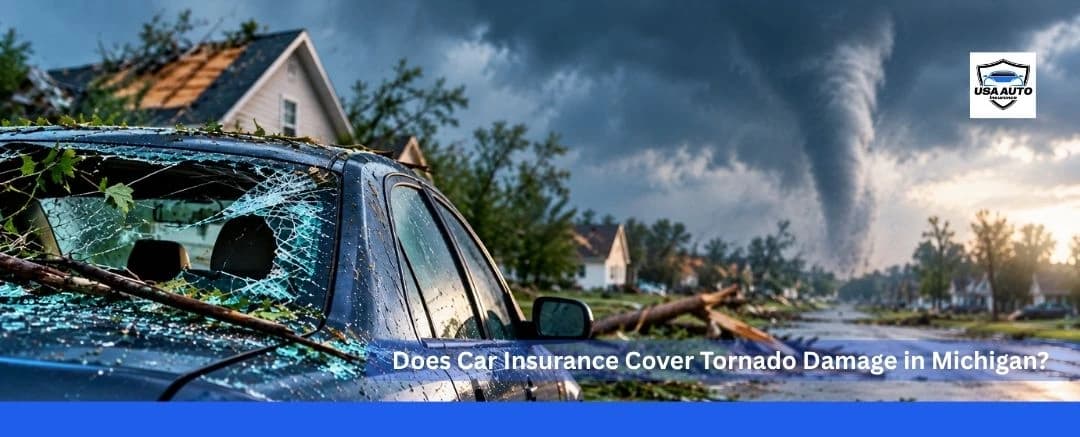
Does Car Insurance Cover Tornado Damage in Michigan?
Yes, car insurance can cover tornado damage in Michigan if you have comprehensive coverage. This optional coverage generally protects your vehicle from covered losses that do not result from a collision.
Can You Get Temporary Car Insurance?
Yes, you can get coverage for short-term driving needs, but probably not in the way you expect.
Does Car Insurance Cover Engine Failure?
Generally, no. Standard auto insurance doesn't cover engine failure caused by mechanical breakdown, normal wear and tear, or poor maintenance.

USA Auto Insurance
USA Auto is a licensed Managing General Agent (MGA) providing auto insurance policies underwritten by USA Underwriters Insurance Company.
Support
Copyright © USA Auto
Built by Neutrix | Powered by Neutrix Systems