February 2, 2026
Car Insurance Coverage
What Is Full Coverage Auto Insurance?
What is full coverage car insurance is one of the most searched questions in auto insurance. Yet, the term itself is misleading. Full coverage car insurance is not a single product or a formal insurance policy. Instead, it’s a common phrase drivers use to describe a mix of car insurance coverages that offer broader protection than the minimum a state requires.
In most cases, full coverage auto insurance means you carry liability insurance plus protection for your own vehicle (collision and comprehensive). This matters after a car accident, theft, vandalism, or weather damage. However, it does not mean every possible damage is covered. Coverage limits, exclusions, and a deductible still apply.
Let’s learn more about full coverage auto insurance so that you no longer have to feel confused before you purchase coverage for your vehicle.
What Does Full Coverage Car Insurance Consist of?
At its core, full coverage insurance is a bundle of three main auto insurance coverages. Together, they protect you, other drivers, and your vehicle insurance investment.
Most insurance company definitions include:
- Liability coverage. This pays for bodily injury and property damage you cause to others in an accident.
- Collision coverage. This helps pay for repairs or replacement of your full coverage car after a crash, regardless of fault.
- Comprehensive car insurance. This covers non-collision losses like theft, fire, vandalism, or severe weather.
Combined, these are often called comprehensive and collision coverage plus liability. Still, the exact mix can vary by state, lender rules, and your chosen coverage car insurance limits.
Coverages Often Added to Full Coverage Policies (State-Dependent)
Beyond the core parts of full coverage auto insurance, many drivers add extra insurance coverage based on state laws, lender rules, or personal risk. These are not automatic. However, they often matter after a serious car accident.
Common add-ons include:
- Personal injury protection. Required in some states, including car insurance in Michigan, since it’s a no-fault state. It helps cover medical bills, lost wages, and certain services after an injury, regardless of fault.
- Motorist coverage. This includes uninsured and underinsured protection, which helps with damages if the at-fault driver lacks enough liability insurance.
- Medical payments coverage. Similar to PIP, but more limited.
- Roadside assistance. Covers towing, lockouts, or jump-starts.
- Rental car reimbursement. Helps pay for transportation while repairs are underway.
- Gap insurance. Important when what are the insurance requirements for a financed car apply and your loan exceeds the car’s value.
These additions can raise insurance costs, but they often reduce financial surprises later.
What Does Full Coverage Car Insurance Cover?
Full coverage car insurance helps pay for a wide range of losses after a car accident or other covered event. It combines protection for others with protection for your own vehicle. Because of that, it goes far beyond minimum auto insurance requirements.
In practice, full coverage auto insurance can help cover:
- Bodily injury and property damage you cause to others through liability coverage.
- Repairs or replacement of your car after a crash through collision coverage, even if you’re at fault.
- Non-collision losses through comprehensive car insurance, such as theft, fire, vandalism, falling objects, animal collision, or weather-related damages.
- Certain medical costs, depending on state rules and added coverages, especially in car insurance in Michigan under personal injury protection.
Still, payouts depend on your coverage limits and deductible. So while full coverage insurance is broader, it is never unlimited protection.
What Does Full Coverage Auto Insurance Not Cover?
Even with full coverage auto insurance, some losses fall outside your insurance policy. This is where many drivers feel surprised. The word “full” creates expectations that don’t always match reality.
In most cases, full coverage car insurance does not cover:
- Normal wear and tear, mechanical breakdowns, or maintenance issues.
- Damage caused intentionally or through illegal activity.
- Personal items stolen from your car, which usually fall under homeowners' or renters insurance.
- Medical costs beyond what personal injury protection or other added coverages allow.
- Losses that exceed your coverage limits or fall below your deductible.
- Business use of a vehicle unless your insurance company approves it.
So, while full coverage insurance offers broader auto insurance coverage, gaps still exist. Knowing those limits helps you avoid costly assumptions after an accident.
Full Coverage Vs. Liability Vs. Comprehensive Vs. Collision Auto Insurance
Because full coverage auto insurance is not an official insurance policy term, confusion is common. Many drivers hear the phrase and assume it refers to one specific plan. In reality, it’s shorthand for combining several auto insurance coverages to increase protection.
That’s why comparing liability insurance, comprehensive, and collision side by side helps clarify what each one actually does, and what gaps remain if you carry only one type. This distinction matters even more after a car accident, when the wrong assumption can lead to unexpected out-of-pocket damages.
Comparison of Common Auto Insurance Coverages:
Coverage Type | What It Covers | What It Does Not Cover | Who Usually Needs It |
Liability coverage | Bodily injury and property damage you cause to others in an accident | Damage to your own vehicle, theft, and weather losses | Required by law in most states |
Collision coverage | Damage to your car from a crash with another vehicle or object, regardless of fault | Theft, vandalism, weather, and animal damage | Often required for financed or leased cars |
Comprehensive car insurance | Non-collision losses like theft, fire, vandalism, animals, or weather-related damages | Crash-related damage, mechanical failure | Often required by lenders |
Full coverage car insurance | Combines liability, comprehensive, and collision coverage, plus any state-required insurance coverage | Wear and tear, intentional damage, losses beyond coverage limits | Common for newer, financed, or higher-value vehicles |
How Much Does Full Coverage Car Insurance Cost
Most U.S. drivers pay well over the minimum for auto insurance coverage because they want broader protection. On average, full coverage car insurance costs about $225 per month, or roughly $2,700 per year nationwide. This reflects the cost of combining liability coverage, comprehensive and collision coverage, and other protections that many drivers choose or that lenders often state require.
Your actual insurance cost may be higher or lower depending on factors like your driving record, age, vehicle type, ZIP code, and how much car insurance coverage you choose. Insurers price your policy based on risk, so two drivers with the same car might pay very different rates.
So, here are the factors to keep in mind:
- Your age, driving history, and credit score.
- Where you live and drive, including traffic patterns and crime rates.
- The type of car you drive and its repair costs.
- Your chosen coverage limits and deductible amounts.
- Whether you qualify for insurance discounts like safe driver or multi-policy savings.
- Claims trends and weather risks in your state
Average Annual Full Coverage Car Insurance Cost by State (2025)
The table below shows the average car insurance cost for full coverage across all 50 states. Full coverage here typically includes liability insurance, comprehensive car insurance, and collision coverage.
State | Avg. Annual Full Coverage Cost |
Alabama | $2,155 |
Alaska | $2,378 |
Arizona | $2,644 |
Arkansas | $2,432 |
California | $3,119 |
Colorado | $3,203 |
Connecticut | $2,753 |
Delaware | $2,970 |
Florida | $3,884 |
Georgia | $2,909 |
Hawaii | $1,678 |
Idaho | $1,476 |
Illinois | $2,376 |
Indiana | $1,709 |
Iowa | $1,932 |
Kansas | $2,477 |
Kentucky | $2,599 |
Louisiana | $4,135 |
Maine | $1,687 |
Maryland | $3,039 |
Massachusetts | $2,096 |
Michigan | $3,207 |
Minnesota | $2,577 |
Mississippi | $2,325 |
Missouri | $2,516 |
Montana | $2,395 |
Nebraska | $2,393 |
Nevada | $3,568 |
New Hampshire | $1,694 |
New Jersey | $3,254 |
New Mexico | $2,158 |
New York | $4,090 |
North Carolina | $1,831 |
North Dakota | $1,801 |
Ohio | $1,842 |
Oklahoma | $2,797 |
Oregon | $2,121 |
Pennsylvania | $2,472 |
Rhode Island | $2,991 |
South Carolina | $2,023 |
South Dakota | $2,300 |
Tennessee | $2,004 |
Texas | $2,751 |
Utah | $2,188 |
Vermont | $1,610 |
Virginia | $2,070 |
Washington | $1,919 |
West Virginia | $2,162 |
Wisconsin | $1,902 |
Wyoming | $1,760 |
District of Columbia | $2,873 |
*Average auto insurance rates for a 40-year-old driver with good credit and no accidents.
Source: Bankrate | As of December 2025
Where to Buy Full Coverage Car Insurance?
Finding affordable auto insurance with full coverage protection isn’t too difficult. The key is knowing where to look and what to compare before you buy a car insurance policy.
Most major insurance company options sell full coverage auto insurance, even if they don’t label it that way. You’re usually choosing a bundle of liability coverage, comprehensive and collision coverage, and any state-required auto insurance coverages. You can buy this coverage through national carriers, regional insurers, or independent agents who compare options for you.
That said, price and quality vary. So, focus on:
- Comparing a car insurance quote with the same coverage limits and deductible
- Asking about insurance discounts that lower your insurance cost
- Making sure the policy fits your state rules, especially car insurance in Michigan
Note that shopping smart matters more than choosing a big name.
Who Should Consider Full Coverage Auto Insurance?
Full coverage auto insurance makes sense when the financial risk of a loss is higher than the cost of coverage. In other words, it’s about protection first, not labels.
You should strongly consider full coverage car insurance if your vehicle is financed or leased. In that case, lenders usually require comprehensive and collision coverage as part of the insurance policy. Without it, you may face force-placed vehicle insurance, which costs more and protects less.
It also matters if your car is newer or still valuable. After a car accident, replacing or repairing a car without auto insurance coverage can be expensive. As a result, carrying collision coverage and comprehensive car insurance reduces that risk.
This coverage is also important if you cannot easily pay for major damages out of pocket. That concern is common in car insurance in Michigan, where medical and repair costs add up quickly in a no-fault state.
By contrast, if your car is older and low-value, liability insurance alone may be enough.
When Should You Drop Full Coverage on Your Car?
Dropping full coverage auto insurance can make sense once the cost of protection outweighs the value of your vehicle. This decision is financial, not emotional. So timing matters.
You may want to consider dropping full coverage car insurance when:
- Your car is paid off and no longer subject to lender rules on what the insurance requirements are for a financed car.
- The insurance cost of comprehensive and collision coverage is close to or higher than the car’s actual value.
- You can afford to repair or replace your car after a car accident without relying on insurance coverage.
- Your deductible is high enough that small or moderate damages would be paid out of pocket anyway.
- Your vehicle is older, depreciated, and less likely to justify reimbursement after a total loss.
Even then, keep enough liability coverage to protect against bodily injury and property damage claims.
Is It Worth Getting Full Coverage Car Insurance?
Yes, full coverage car insurance is worth it when the financial risk of a loss is high. It protects both other people and your own vehicle. As a result, it makes sense for newer cars, financed vehicles, and drivers who cannot easily absorb large repair or replacement costs after a car accident.
That said, full coverage auto insurance is not a lifetime requirement. Its value depends on your car’s age, its market value, your deductible, and how much insurance cost fits your budget.
The table below breaks down the real tradeoffs.
Pros and Cons of Full Coverage Car Insurance:
Pros | Cons |
Covers damage to your own car through collision coverage and comprehensive car insurance | Higher insurance cost than minimum liability insurance |
Protects against theft, weather, vandalism, and animal-related damages | Claims are still subject to a deductible |
Meets lender rules for what are the insurance requirements for a financed car | Does not cover wear, mechanical failure, or all losses |
Limits out-of-pocket reimbursement after a major accident | May not be cost-effective for low-value vehicles |
Provides broader auto insurance coverage and peace of mind | Coverage depends on coverage limits, not the word “full” |
Full Coverage Auto Insurance FAQs
What are the benefits of full coverage car insurance?
The biggest benefit of full coverage car insurance is protection for both others and your own car. It helps you pay for property damage, bodily injury, and repairs to your vehicle after a car accident/theft/vandalism/animal damage/natural disaster. As a result, you avoid large out-of-pocket bills when something serious happens. This matters even more if you drive a newer or higher-value full coverage car.
Should you add any endorsement to your full coverage policy?
In many cases, yes. While full coverage auto insurance includes core auto insurance coverages, it may not cover everything you personally need. Depending on how you drive, endorsements like roadside assistance, rental car reimbursement, or gap insurance can reduce stress and financial gaps. The right choice depends on your risk, budget, and insurance cost tolerance.
What does $100k / $300k / $100k mean in car insurance?
These numbers describe liability coverage limits:
- $100,000 for bodily injury per person
- $300,000 for bodily injury per accident
- $100,000 for property damage per accident
Even with full coverage insurance, these limits matter because payouts stop once limits are reached.
What is the difference between full coverage and collision insurance?
Collision coverage is only one part of full coverage auto. It pays for damage to your car after a crash. Full coverage car insurance, however, usually combines collision, comprehensive, and liability insurance. So collision alone does not protect you from theft, weather damage, or injuries.
What is full coverage insurance for a financed car?
If you finance or lease a vehicle, what are the insurance requirements for a financed car usually include comprehensive and collision coverage. Lenders want to protect the car until the loan is paid off. Without it, you may face force-placed vehicle insurance, which often costs more and offers less insurance coverage.
Is full coverage the best car insurance?
For most people, yes. Full coverage auto insurance offers broader protection and fewer financial surprises. That said, it’s best when your car still holds value or when you can’t easily replace it yourself. Once your car depreciates, reassessing coverage limits can save money.
Is comprehensive insurance the same as full coverage?
No. Comprehensive car insurance is not the same as full coverage car insurance. Comprehensive only covers non-collision losses like theft, fire, or weather. Full coverage combines comprehensive, collision coverage, and liability into a broader setup.
Does full coverage car insurance cover everything?
No. Despite the name, full coverage auto insurance has limits. It does not cover normal wear, mechanical breakdowns, intentional damage, or losses beyond your deductible and coverage limits. Understanding these gaps helps you avoid false expectations.
Which coverage applies when you file a claim?
It depends on what happened. Liability insurance applies when you injure others or damage their property. Collision coverage applies after a crash. Comprehensive applies to theft or non-collision events. Knowing this helps you understand reimbursement before filing a claim.
What’s the difference between full coverage and liability insurance?
Liability insurance only pays for injuries and property damage you cause to others. It does not protect your car. Full coverage insurance, on the other hand, includes protection for your vehicle through comprehensive and collision coverage.
Tag :
auto insurance
Latest Blog

Does Car Insurance Cover Vandalism?
Yes, car insurance does cover vandalism, but only if you have comprehensive coverage. If you just have the basic liability coverage, your auto insurance policy won’t cover your car’s repair or replacement costs caused by vandalism.
What is a Deductible in Car Insurance?
A deductible in car insurance is the amount you agree to pay out of pocket toward a covered claim before your insurance provider pays the remaining costs.
Should I Have Collision Insurance on a 10-Year-Old Car in Michigan?
Yes, you may still want collision insurance on a 10-year-old car in Michigan. The vehicle's age alone does not determine whether the coverage is worth keeping.
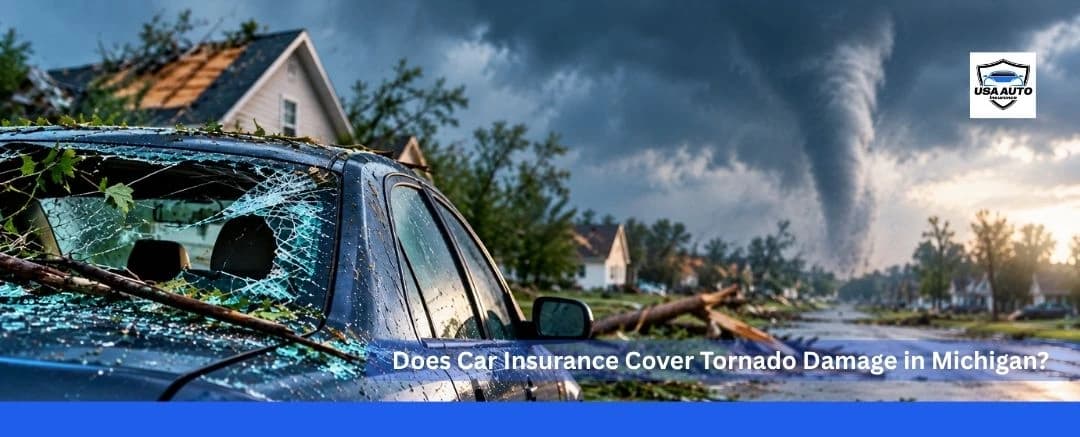
Does Car Insurance Cover Tornado Damage in Michigan?
Yes, car insurance can cover tornado damage in Michigan if you have comprehensive coverage. This optional coverage generally protects your vehicle from covered losses that do not result from a collision.
Can You Get Temporary Car Insurance?
Yes, you can get coverage for short-term driving needs, but probably not in the way you expect.
Does Car Insurance Cover Engine Failure?
Generally, no. Standard auto insurance doesn't cover engine failure caused by mechanical breakdown, normal wear and tear, or poor maintenance.

USA Auto Insurance
USA Auto is a licensed Managing General Agent (MGA) providing auto insurance policies underwritten by USA Underwriters Insurance Company.
Support
Copyright © USA Auto
Built by Neutrix | Powered by Neutrix Systems