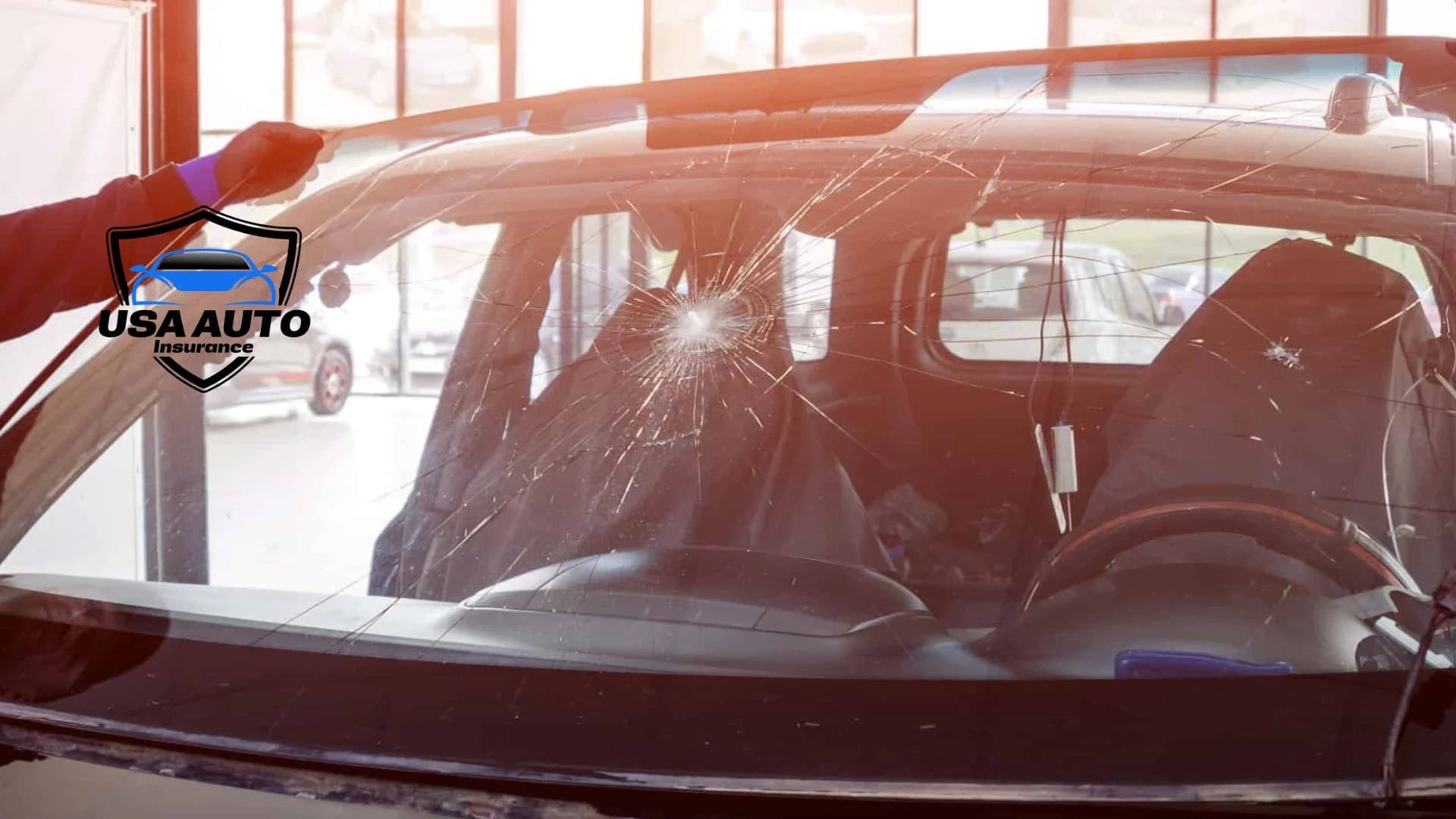
January 28, 2026
Auto Insurance
What Is Full Glass Coverage Auto Insurance?
Full Glass
Coverage Auto Insurance is an optional add-on that helps pay for windshield
repair or replacement when your car’s glass is damaged.
In most cases, it works alongside comprehensive coverage and focuses on glass damage, not collisions. Depending on your auto insurance policy and state rules, it may let you fix or replace a damaged windshield without having to pay a deductible.
For many drivers, it’s a small upgrade that can prevent a costly and frustrating insurance claim later.
What Is Full Auto Glass Insurance Coverage?
As we stated, full auto glass insurance coverage is an optional add-on you can add to your existing comprehensive coverage on your auto insurance policy. It is designed to help you pay for the repair or replacement of damaged glass on your vehicle. This includes the windshield, side and rear windows, and often other glass components.
Comprehensive coverage already pays for glass damage caused by things like road debris, falling objects, hail, vandalism, or other non-collision events. But it usually requires a deductible.
With full glass coverage, many insurers waive that deductible for covered glass claims. That means you may not have to pay out of pocket when you file a glass claim for windshield repair or replacement. It’s especially useful if you want protection from frequent chips, cracks, or unexpected breakage without worrying about upfront costs.
In many states, this option is available only if you already carry comprehensive coverage. You’ll pay a bit more in premiums each month, but in return, you get broader protection for your vehicle’s glass and clearer expectations when damage happens.
What Does Full Glass Auto Insurance Cover?
Full glass auto insurance focuses on glass damage caused by non-collision events. It works with comprehensive coverage and is meant to handle sudden breakage, not wear and tear. Typically, it can cover:
- Windshield repair or replacement, including cracked or broken windshields
- Side window glass
- Rear window glass
- Quarter glass
- In some policies, sunroof or moonroof glass
In many cases, insurers encourage windshield repair first. That’s because small chips can often be fixed quickly and at a lower cost than replacing your windshield. Industry guidance, including organizations like the National Windshield Repair Association (NWRA), supports early repair when damage is minor.
Coverage details still depend on your insurance policy and state rules. However, when full glass coverage applies, it may help cover windshield replacement with little or no out-of-pocket cost and simplify the glass claim process.
When Are You Not Covered by Full Glass Car Insurance?
Even with full glass coverage, there are limits. Knowing them up front helps you avoid surprises when you file a claim. You may not be covered if the glass damage is caused by:
- A collision with another vehicle or object (covered under collision car insurance)
- Normal wear and tear or existing damage
- Intentional acts or vandalism you caused
- Racing, stunts, or other excluded activities
- Repairs done outside approved or allowed providers, depending on the insurance policy
There can also be coverage limits. Some auto insurance policies cap how much the insurance company will pay for a glass claim, especially if the damage involves advanced technology or specialty glass.
Let’s say a hailstorm cracks your windshield, and replacing your windshield costs $850. If your policy limits glass coverage to $500, your insurance coverage would pay up to that amount. You’d pay the remaining $350 out of pocket, even with full glass coverage or comprehensive coverage.
That’s why it’s important to review exclusions, limits, and repair rules before relying on this coverage.
Is Full Glass Coverage the Same as Windshield Coverage?
No. They are related, but they are not the same.
Full glass coverage is broader. It can apply to multiple types of glass on your vehicle, not just the windshield. Windshield coverage, on the other hand, is usually limited to damage affecting only the front windshield.
Both typically fall under comprehensive coverage on an auto insurance policy, but the scope and out-of-pocket costs can be very different.
How It Differs from Standard Windshield Coverage
Standard windshield coverage usually means your insurance company will pay for windshield damage after you pay a deductible. That deductible can be $250, $500, or more, depending on your policy.
With full glass coverage, insurers often waive the deductible for windshield repair and, in some cases, full repair or replacement. It may also extend protection to side and rear windows, which standard windshield coverage often does not.
Full Glass Auto Coverage vs. Windshield Coverage
|
Feature |
Full Glass Auto Coverage |
Standard Windshield Coverage |
|
Glass covered |
Windshield, side, rear, and other glass |
Windshield only |
|
Deductible |
Often no deductible |
Deductible usually applies |
|
Coverage type |
Add-on to comprehensive coverage |
Part of comprehensive coverage |
|
Repair vs replacement |
Covers glass repair and replacement |
Covers repair or replacement after deductible |
|
Best for |
Drivers wanting minimal out-of-pocket costs |
Drivers are okay with paying a deductible |
No matter which car insurance coverage you have for glass damage—whether it’s full glass auto coverage, a windshield coverage add-on, or just comprehensive coverage—understanding these differences will help you prepare for what’s ahead.
When and Why You Might Need It
You might need full glass coverage if you want protection from frequent windshield damage without worrying about high out-of-pocket costs. This coverage makes sense when glass repairs are more likely or more expensive for you. It’s often a good idea if:
- You often drive on highways where rocks and debris are common
- You live in areas with harsh weather, road construction, or winter road treatments
- Your vehicle has advanced safety features that increase the cost of windshield replacement
- Your comprehensive coverage has a high deductible
- You prefer quick glass repair without the hassle of a large insurance claim payment
Modern vehicles rely on cameras and sensors mounted to the windshield. Because of that, even small cracks can turn into costly repair or replacement jobs.
In these situations, auto insurance full glass coverage can reduce delays, lower costs, and make handling glass claims much easier for you.
State-Specific Laws on Auto Glass Coverage
State laws can change how full glass coverage and windshield coverage work in practice. In most states, glass damage is covered through comprehensive coverage, and you still pay your deductible unless your policy or state law says otherwise.
A few states have passed laws that require insurers to waive the deductible for windshield repair or replacement when you carry comprehensive coverage. These states are sometimes called “zero deductible” states for glass claims because the insurer cannot charge you an out-of-pocket amount for covered windshield damage.
According to the Insurance Journal, these 3 states are called “zero deductible” states:
- Florida: State law prohibits insurers from applying a deductible for covered windshield repair and replacement.
- Kentucky: Comprehensive policies must provide full safety glass coverage with no deductible for glass claims.
- South Carolina: Laws require insurers to waive the deductible for glass claims under comprehensive coverage.
Other states allow insurers to offer optional zero-deductible glass coverage, but do not require it by law. Drivers in those states may still need to add full glass coverage or negotiate deductible terms with their carrier.
Michigan does not have a law requiring a zero deductible for glass claims. That means your insurer can apply your chosen comprehensive deductible to windshield repair or replacement unless your policy specifically includes a glass waiver or add-on.
To get automatic coverage for glass damage in Michigan, drivers typically need to purchase full glass coverage as an endorsement to their comprehensive policy.
How to Add Full Glass Coverage
Adding full glass coverage to your auto insurance policy is usually simple. In most cases, it only takes a few steps. Here’s how it typically works:
- Check if you already have comprehensive coverage, since full glass coverage is added on top of it
- Contact your insurance company or agent and ask if full glass coverage is available in your state
- Review whether the coverage waives the deductible for windshield repair or replacement
- Confirm which types of glass are covered, such as side or rear windows
- Ask how adding it will affect your car insurance cost before making the change
You can usually add this coverage at policy renewal or during the policy term. Once added, it applies to future glass damage, not repairs that have already happened.
How Much Does Full Glass Auto Coverage Cost
The cost of full glass coverage varies widely based on several factors tied to your auto insurance policy and risk profile. It is usually an optional add-on to your comprehensive coverage, so it doesn’t come free. But for many drivers, the extra cost is small compared to potential repair bills.
On average, it costs about $5 to $10 per month, or roughly $60 to $120 per year, depending on your insurance company, vehicle, and state.
Here’s what affects the price:
- Your state: Some states have broader glass protections that can lower costs.
- Your vehicle type: Luxury cars and models with advanced sensors often cost more to insure.
- Driving history: A clean record generally means lower rates.
- Insurance company: Rates vary from one insurer to another.
- In many cases, adding full glass coverage increases your premium by a modest amount, often just a few dollars per month. Because windshields can cost several hundred dollars or more to replace, this can be a cost-effective way to manage unexpected expenses.
- To get a precise figure, request quotes from multiple insurers and compare how much they charge for the same coverage. Seeing exact costs side by side helps you decide if it fits your budget and risk tolerance.
Does Full Glass Coverage Have a Deductible?
Often, no. But it depends on your auto insurance policy and where you live.
With full glass coverage, many insurers waive the deductible for windshield repair and sometimes for full repair or replacement. That means you may not have to pay a deductible when you file a glass claim for windshield damage.
Without full glass coverage, comprehensive coverage usually applies a deductible. If the repair cost is less than your deductible, you would pay entirely out of pocket. This is why small chips often go unrepaired when drivers do not have glass coverage.
State laws can also affect this. As we said earlier, in some states (zero deductible states, including Kentucky, South Carolina, and Florida), insurers must waive the deductible for safety glass like windshields. In others, including Michigan, a deductible typically applies unless your policy includes full glass coverage or a glass repair waiver.
The safest way to know is to review your insurance policy or ask your insurance company how deductibles apply to glass claims.
How to File an Auto Glass Insurance Claim
Filing a claim for windshield damage or other glass damage doesn’t have to be confusing. The steps are similar with most insurers, and you can often start the process online or by phone.
Here’s an easy step-by-step process:
- Check your coverage: Before anything else, confirm your policy includes comprehensive coverage and, if possible, full glass coverage. This tells you what glass damage your policy pays for and how deductibles apply.
- Document the damage: Take photos of the broken or cracked glass right after it happens. These images help support your claim.
- Report to your insurer: Call your insurance agent, use the insurer’s mobile app, or file a claim on the insurer’s website. Provide your policy number, date, and time of damage, and a brief description of what happened.
- Choose how to repair: Your insurer may have a preferred glass repair shop network where you can get a cashless repair. Alternatively, you can choose your own shop and submit a reimbursement claim after the work is done.
- Schedule repair: Once the claim is submitted, the insurer may send an adjuster to inspect the damage. Some insurers allow mobile service where a technician repairs the glass at your home or work.
- Approve and fix: After approval, proceed with the repair or replacement. If your policy has a deductible, you may pay it directly to the shop. Otherwise, the insurer pays the approved amount.
Filing right away helps ensure repairs happen sooner and prevents small chips from becoming bigger problems. If you’re unsure about any step, contact your insurance agent for guidance specific to your policy.
Auto Insurance Full Glass Coverage Pros and Cons
Like any add-on, auto insurance full glass coverage has clear benefits and a few trade-offs. Let’s help you understand both so that you can make a better decision.
Benefits:
- May cover windshield repair or replacement without having to pay a deductible
- Helps reduce out-of-pocket costs for common glass damage
- Makes it easier to file a glass claim for small chips before they spread
- Often covers multiple types of glass, not just the windshield
- Can save money when replacing your windshield on newer vehicles with sensors
Drawbacks:
- Costs extra on top of comprehensive coverage
- Availability depends on your insurance company and state laws
- May still have limits on where repairs can be done
- Not always necessary if you rarely drive or already have a low deductible
For many drivers, the benefits outweigh the drawbacks. Still, the value depends on how often you face windshield damage, your driving habits, and your overall auto insurance policy.
Is Full Glass Coverage Worth It?
For most drivers, yes. Full glass coverage is often worth the small added cost. Windshields are no longer simple pieces of glass. Many now include cameras, sensors, and safety systems. Because of that, windshield replacement can be expensive, even when the damage seems minor.
In fact, the typical cost to repair a windshield ranges from $60 to $150. If replacement is needed, the average cost is usually between $200 and $400. However, it can exceed $1,000 when a vehicle is equipped with advanced technology such as ADAS (Advanced Driver Assistance Systems), a HUD (heads-up display), or rain sensors.
So, if you don’t have glass coverage or reliable comprehensive coverage, you may need to pay a deductible or cover the full repair yourself.
This coverage makes the most sense if you drive frequently, commute on highways, or live in areas with heavy road debris or harsh weather. It’s also helpful if your comprehensive coverage has a high deductible and you want fewer out-of-pocket surprises.
That said, it may not be necessary for everyone. If you drive rarely, park in a garage most of the time, or already have a low deductible, the added cost may offer limited value.
In short, auto insurance full glass coverage is a low-cost way to reduce financial risk. For many drivers, the peace of mind and potential savings outweigh the extra premium.
Get Auto Insurance Quotes for Full Glass Coverage
Whether you’re dealing with a small chip or a cracked windshield that needs full replacement, having the right auto insurance can make the process easier.
USA Auto Insurance helps drivers find affordable auto insurance coverage options, including auto insurance with full glass coverage, based on their needs and location. If you want to understand your options, compare costs, or see whether this coverage makes sense for your vehicle, we can help.
To learn more or get a quote, call (866) 855-1872 to speak with a licensed agent.
Auto Insurance with Full Glass Coverage FAQs
What is full glass coverage on auto insurance?
Full glass coverage is an optional add-on to comprehensive coverage that helps pay for windshield repair or replacement and, in many cases, other vehicle glass. Depending on your insurance policy and state rules, it may waive the deductible for covered glass claims.
What does a $500 deductible with full glass mean?
It usually means your comprehensive deductible is $500 for most claims. However, with full glass coverage, the deductible may be waived for windshield repair and sometimes replacement. If the waiver applies, you pay $0 for covered glass damage. If it doesn’t, the $500 deductible still applies.
Can windshield damage be repaired?
Yes. Small chips or cracks can usually be fixed with windshield repair if addressed early. Repairs are faster and cheaper than replacing your windshield and help prevent the damage from spreading. Larger cracks or damage in the driver’s line of sight typically require replacement.
Does filing a windshield claim affect my insurance?
It depends on your state and insurance company. In many cases, a single glass claim for windshield repair does not raise rates, especially when no deductible applies. However, repeated claims or high payouts could affect premiums over time.
Does full glass coverage cover side and rear windows?
Often, yes. Full glass coverage typically extends beyond the windshield to include side and rear windows. Coverage details vary by auto insurance policy, so it’s important to confirm which types of glass are included.
Can I choose my own auto glass repair shop?
Usually, yes. Most insurers allow you to choose your own glass repair provider, even if they recommend preferred shops. Choosing a non-preferred shop may change how billing or reimbursement works, but your choice is generally honored.
Does full glass coverage cover calibration after replacement?
In many cases, yes. When windshield replacement involves vehicles with cameras or sensors, recalibration may be required. Some insurance policies cover this as part of the repair or replacement, while others treat it separately. So you should always check before scheduling service.
Tag :
auto insurance
Latest Blog

Does Car Insurance Cover Vandalism?
Yes, car insurance does cover vandalism, but only if you have comprehensive coverage. If you just have the basic liability coverage, your auto insurance policy won’t cover your car’s repair or replacement costs caused by vandalism.

What is a Deductible in Car Insurance?
A deductible in car insurance is the amount you agree to pay out of pocket toward a covered claim before your insurance provider pays the remaining costs.
Should I Have Collision Insurance on a 10-Year-Old Car in Michigan?
Yes, you may still want collision insurance on a 10-year-old car in Michigan. The vehicle's age alone does not determine whether the coverage is worth keeping.

Does Car Insurance Cover Tornado Damage in Michigan?
Yes, car insurance can cover tornado damage in Michigan if you have comprehensive coverage. This optional coverage generally protects your vehicle from covered losses that do not result from a collision.

Can You Get Temporary Car Insurance?
Yes, you can get coverage for short-term driving needs, but probably not in the way you expect.

Does Car Insurance Cover Engine Failure?
Generally, no. Standard auto insurance doesn't cover engine failure caused by mechanical breakdown, normal wear and tear, or poor maintenance.

USA Auto Insurance
USA Auto is a licensed Managing General Agent (MGA) providing auto insurance policies underwritten by USA Underwriters Insurance Company.
Support
Copyright © USA Auto
Built by Neutrix | Powered by Neutrix Systems