January 29, 2026
Car Insurance Coverage
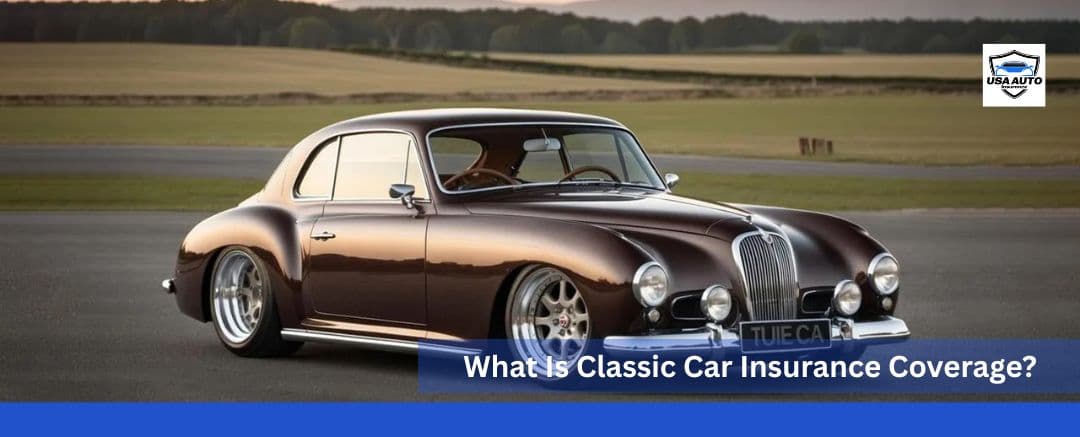
What Is Classic Car Insurance Coverage?
Classic car insurance coverage is a specialized form of auto insurance designed for vehicles that are collected, preserved, and driven less often. These policies exist because a classic car does not behave like a regular vehicle in value, usage, or risk.
Unlike regular car insurance, classic policies focus on protection, not depreciation. Many classic and collector vehicles hold their value over time. Some even increase in worth. Because of that, insurers use agreed value coverage, not market-based estimates, to settle a total loss.
At the same time, these policies assume limited driving, secure storage, and careful ownership. As a result, coverage rules are different. Pricing is different too.
For owners who qualify, classic car insurance delivers stronger protection, clearer claims outcomes, and more peace of mind than a standard insurance policy.
How Does Classic Car Insurance Work
Classic car insurance works much like standard vehicle insurance, but the value and usage rules are very different. Instead of relying on depreciation, these policies are built around agreed value auto insurance. You and the insurer decide the car’s value upfront. If there is a covered total loss, that agreed amount is paid, minus the deductible.
Because classic cars are not daily drivers, insurers also set clear usage terms. Driving is usually limited to car shows, club events, and occasional pleasure trips. In addition, most policies require secure storage, such as a private garage, to reduce risk.
As a result, insurers see fewer claims and lower exposure. That is why classic car insurance coverage often costs less than regular auto insurance, even when the vehicle itself is worth more.
Pro Tip: Classic car insurance coverage is not limited to traditional collector cars. Many insurers also cover vintage vehicles such as classic motorcycles, military vehicles, kit cars, street rods, exotic cars, antique trucks, and even certain antique tractors. Eligibility depends on usage, condition, and storage, not just the vehicle type.
What Does Classic Car Insurance Cover?
Classic car insurance coverage includes many of the same protections found in regular auto insurance, but it is tailored to how collector cars are owned, stored, and driven.
The goal is simple. Protect the vehicle’s true value and support proper repairs if something goes wrong.
First, coverage is built around agreed value coverage. This means your classic car is insured for a set amount you and the insurer agree on. As a result, depreciation does not reduce your payout after a total loss.
Most policies typically cover:
- Liability insurance for bodily injury and property damage you cause to others
- Comprehensive insurance for theft, fire, vandalism, and weather-related damage
- Collision insurance after an accident, regardless of fault
- Coverage for original and hard-to-find spare parts
- Optional roadside assistance and specialty towing designed for classic vehicles
In addition, many policies protect your vehicle while traveling to car shows or club events. Because classic cars need specialized care, this type of insurance coverage offers broader protection than standard car insurance.
What Classic or Collector Car Insurance Doesn’t Cover
Classic car insurance coverage is designed for limited-use vehicles. Because of that, certain situations are intentionally excluded. These limits help keep premiums lower and risk predictable.
Most collector car insurance policies do not cover:
- Daily commuting or regular errands
- Business or commercial use
- Unlimited or high mileage driving
- Street parking as a primary storage option
- Racing, track events, or timed competitions
- Vehicles used as a primary or only vehicle in the household
In addition, coverage may be denied if storage requirements are not met or if driving rules are violated. For example, parking a classic vehicle overnight on public streets can break policy terms. This is why regular auto insurance is often required alongside a classic policy. One handles everyday driving. The other protects your investment.
What Is Considered a Classic Car, and How Do You Qualify for a Classic Car
A classic car is not defined by age alone. Instead, insurers look at how the vehicle is used, stored, and maintained. In most cases, cars that are 20 to 25 years old or older qualify. However, some newer collector vehicles may also be eligible if they have historical interest or collectible value.
In order to qualify for classic car insurance, most insurers require a few key conditions. These rules help limit risk and support lower premiums.
Typical classic car insurance requirements include:
- The car is not used for daily driving
- Limited annual mileage
- Secure storage, such as a private garage or enclosed facility
- A clean driving record
- Access to another insured vehicle for regular use
Because classic policies are based on agreed value auto insurance, meeting these requirements is essential. If you qualify, classic car insurance coverage offers stronger protection than regular car insurance and avoids depreciation concerns.
Does Regular Car Insurance Cover Classic Cars?
Yes, regular car insurance can cover a classic car, but the protection is usually limited. Standard auto insurance policies value vehicles based on depreciation. That means the payout after an accident or total loss is based on actual cash value, not what the car is truly worth.
This creates a problem for classic and collector cars. Many of these vehicles maintain value or appreciate over time. Restoration work, rare parts, and historical value are often ignored under a regular policy.
As a result, regular auto insurance may not fully cover repair costs or replacement value. It also may not account for specialized labor or original spare parts.
That’s why many owners switch to classic car insurance coverage once a vehicle becomes collectible.
Regular Car Insurance vs. Classic Car Insurance Coverage
Feature | Regular Car Insurance | Classic Car Insurance Coverage |
Vehicle value | Based on depreciation and actual cash value | Based on the agreed value coverage set upfront |
Payout after total loss | Market value at time of loss, often lower | Full agreed value after a covered total loss |
Intended use | Daily driving and commuting | Limited use, pleasure driving, and car shows |
Mileage limits | No formal limits | Annual mileage limits are common |
Storage requirements | Not required | Secure, enclosed storage is usually required |
Repair standards | Aftermarket parts are often used | Original or period-correct spare parts preferred |
Coverage focus | Transportation | Preservation and long-term value |
Premium cost | Often higher for older cars | Often lower due to reduced risk |
Best for | Everyday vehicles | Classic vehicles and collector cars |
This comparison highlights why classic car insurance coverage works differently from regular auto insurance. Each policy serves a different purpose. Choosing the right one depends on how the vehicle is used and what you need to protect.
What Factors Decide a Classic Car’s Worth?
A classic car’s value is not based on age alone. Instead, insurers look at several details to decide what the vehicle is truly worth and how much insurance coverage it needs.
First, condition matters most. A well-maintained or properly restored classic vehicle is usually worth more than one in poor shape. Original components also play a big role, especially when rare or hard-to-replace spare parts are involved.
Other key factors include:
- Rarity and historical significance of the vehicle
- Quality and documentation of restoration work
- Current market demand for similar collector cars
- Modifications that add value versus those that reduce originality
- Storage, maintenance history, and overall care
Because of these variables, insurers use agreed value auto insurance instead of depreciation. This ensures the car’s value is protected if there is a total loss and avoids surprises during claims.
Can You Get Full Coverage Insurance on Classic Cars?
Yes. You can get classic car full coverage insurance if the vehicle meets eligibility rules. In fact, most classic car insurance coverage is written as full coverage by default.
Full coverage insurance for classic cars usually includes liability, comprehensive, and collision protection. The difference is how losses are paid. Instead of depreciation, policies rely on agreed value coverage. So, if there is a total loss, the payout reflects the car’s true value, not a reduced market estimate.
However, full coverage comes with conditions. Driving is limited. Storage must be secure. The vehicle cannot replace a daily driver. These rules reduce risk, which keeps premiums reasonable.
When those requirements are met, full coverage delivers stronger insurance coverage, clearer claims, and real peace of mind compared to regular auto insurance.
How Much Does Classic Car Insurance Cost?
In most cases, classic car insurance costs far less than regular auto insurance. That’s because these vehicles are driven less, stored carefully, and insured using agreed value coverage, not depreciation.
For many U.S. drivers, annual costs typically fall within these ranges:
- Project classics: $200 to $500 per year
- Average classics: $300 to $600 per year
- Mid-range classics: $500 to $1,000 per year
- Premium or high value classics: $1,000 to $3,000 or more per year
Several factors influence your final rate. These include the car’s value and condition, your driving record, mileage limits, storage location, and selected insurance coverage options like spare parts protection or roadside assistance. Because classic cars are not daily drivers and generate fewer claims, insurers can offer lower premiums while still protecting the vehicle’s true worth.
How and Where to Get Classic Car Insurance?
Getting classic car insurance is usually straightforward, as long as your vehicle meets eligibility rules. Many insurers that offer regular auto insurance also provide classic policies. However, coverage is often stronger through companies that specialize in collector car insurance.
You can start by requesting an insurance quote from classic-focused insurers, mutual insurance providers, or carriers that partner with specialty programs. These companies understand classic vehicle values, usage limits, and repair needs better than standard insurers.
Before buying a policy, be ready to share details about the car’s condition, storage, mileage, and your driving record. You’ll also agree on the vehicle’s value upfront for agreed value auto insurance.
Comparing quotes matters. Coverage options, mileage limits, and customer service can vary widely. Choosing the right insurer helps ensure smoother claims, proper repairs, and long-term peace of mind.
Who Should Consider Classic Car Insurance
Classic car insurance is a good fit for drivers who own vehicles that are valued more as collectibles than transportation. If your car is driven occasionally and carefully maintained, this type of insurance coverage often makes more sense than regular auto insurance.
You should consider classic car insurance coverage if:
- You own a classic car, vintage vehicle, or collector car
- The vehicle is not used for daily commuting or errands
- You have another insured vehicle for regular driving
- The car is stored securely when not in use
- You want protection based on agreed value coverage, not depreciation
This coverage is especially helpful for owners who attend car shows, preserve originality, or invest in long-term restoration. When the vehicle’s value matters more than convenience, classic coverage provides better protection and greater peace of mind.
Is It Worth Getting Classic Car Insurance?
For many owners, yes. Classic car insurance is worth it when a vehicle holds collectible or sentimental value and is not driven every day. Unlike regular car insurance, classic policies protect the car based on what it is truly worth, not on depreciation.
If your vehicle qualifies, classic car insurance coverage often costs less while offering stronger protection. Agreed value coverage ensures that a total loss payout is clear and predictable. In addition, coverage for specialty repairs and spare parts helps avoid out-of-pocket surprises during claims.
That said, it only makes sense if you follow the rules. Limited use, secure storage, and mileage restrictions are part of the tradeoff.
Classic Car Insurance Coverage FAQs
Can you get full coverage on a 20-year-old car?
Yes, in many cases. A 20-year-old vehicle can qualify for classic car insurance coverage if it has collectible value and is not used as a daily driver. Insurers focus more on usage, condition, and storage than age alone. When approved, classic car full coverage insurance usually includes liability, comprehensive, and collision with agreed value coverage, not depreciation.
What are the limitations to classic car insurance?
Classic policies come with clear limits. Most do not allow daily commuting, business use, racing, or unlimited driving. Secure storage is usually required, and violating usage rules can lead to denied claims. These limits exist to keep risk low and premiums affordable compared to regular auto insurance.
What is the classic car insurance mileage limit?
Mileage limits vary by insurer. Many policies cap driving at a few thousand miles per year, though some offer tiered options. Lower mileage usually means lower cost. Exceeding the limit can affect insurance coverage, so it’s important to choose a plan that matches how often you drive your classic vehicle.
How to insure a classic car as a daily driver?
In most cases, you can’t. Daily use typically disqualifies a vehicle from collector car insurance. If the car is driven regularly, regular car insurance is usually required. Some insurers offer higher mileage programs, but true daily driving still falls outside standard classic policy rules.
Why should you insure a classic car?
Because regular auto insurance often underprotects collectible vehicles. Classic car insurance avoids depreciation, supports specialty repairs, and can cover rare spare parts. Most importantly, it protects the car’s real value after an accident or total loss, giving owners financial security and peace of mind.
Tag :
auto insurance
Latest Blog

Does Car Insurance Cover Vandalism?
Yes, car insurance does cover vandalism, but only if you have comprehensive coverage. If you just have the basic liability coverage, your auto insurance policy won’t cover your car’s repair or replacement costs caused by vandalism.
What is a Deductible in Car Insurance?
A deductible in car insurance is the amount you agree to pay out of pocket toward a covered claim before your insurance provider pays the remaining costs.
Should I Have Collision Insurance on a 10-Year-Old Car in Michigan?
Yes, you may still want collision insurance on a 10-year-old car in Michigan. The vehicle's age alone does not determine whether the coverage is worth keeping.

Does Car Insurance Cover Tornado Damage in Michigan?
Yes, car insurance can cover tornado damage in Michigan if you have comprehensive coverage. This optional coverage generally protects your vehicle from covered losses that do not result from a collision.
Can You Get Temporary Car Insurance?
Yes, you can get coverage for short-term driving needs, but probably not in the way you expect.
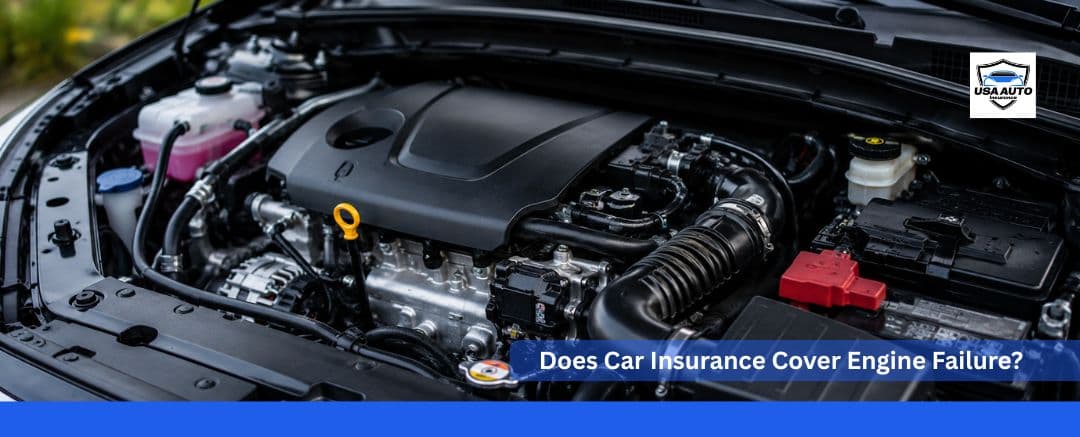
Does Car Insurance Cover Engine Failure?
Generally, no. Standard auto insurance doesn't cover engine failure caused by mechanical breakdown, normal wear and tear, or poor maintenance.

USA Auto Insurance
USA Auto is a licensed Managing General Agent (MGA) providing auto insurance policies underwritten by USA Underwriters Insurance Company.
Support
Copyright © USA Auto
Built by Neutrix | Powered by Neutrix Systems