December 8, 2025
Car Insurance Coverage
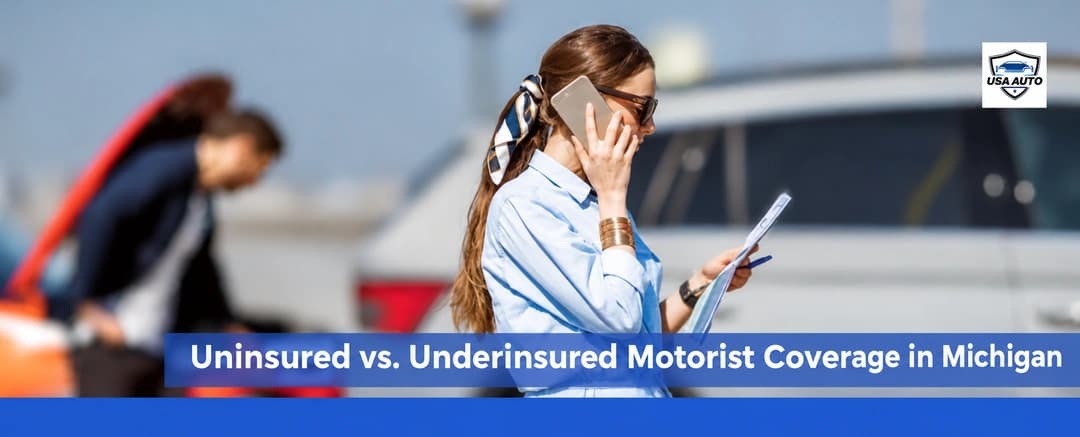
Uninsured vs. Underinsured Motorist Coverage in Michigan
Getting hit by a driver with little or no auto insurance can create financial challenges after an accident. This can be a concern in Michigan, where a significant number of drivers may be uninsured or underinsured. Michigan does not require drivers to purchase uninsured or underinsured motorist (UM/UIM) coverage. Instead, it is optional coverage that can provide protection for qualifying bodily injuries when the at-fault driver has no insurance or does not have enough liability coverage.
So, what is the difference between uninsured and underinsured motorist coverage? Keep reading to learn how UM/UIM works in Michigan, what it may cover, and what to consider when choosing your insurance coverage limits.
How Does Uninsured and Underinsured Motorist Coverage Work?
UM/UIM coverage can help when another driver causes an accident but has no insurance or does not have enough liability coverage to cover the damages. In Michigan, it is separate from the state's required no-fault coverages, including PIP.
For injury claims, UM/UIM benefits may become available when an insured person or household member suffers a serious injury and the applicable PIP limits have been exhausted and/or a settlement is awarded against the at-fault driver. The specific conditions for receiving benefits depend on the policy.
Michigan law does not require UIM coverage, and the Michigan Supreme Court has recognized that UIM coverage is obtained through a voluntary insurance contract. When the at-fault driver's insurance is insufficient to cover an insured person's damages, the insured may seek further recovery under the UIM coverage, subject to the terms of that contract.
Because UM/UIM is optional in Michigan, the policy language matters. The terms of the insurance contract determine when benefits are available and what limitations may apply
Practical Example of Uninsured/Underinsured Motorist Coverage in Action
The other driver has liability insurance, but the available coverage is not enough to cover the damages you are legally entitled to recover. If you have UIM bodily injury coverage, it may provide benefits subject to your policy's terms and limits after the applicable requirements are satisfied.
Now imagine the driver has no insurance at all. If you have UM bodily injury coverage, it may provide benefits for qualifying bodily injuries caused by the uninsured driver, subject to the policy's requirements and limits.
What Does Uninsured (UM) and Underinsured (UIM) Motorists Insurance Cover?
UM/UIM coverage is designed to provide protection when an uninsured or underinsured driver causes a qualifying injury. For Michigan drivers, the key distinction is that DIFS identifies UM and UIM as optional bodily injury coverages. They are not part of Michigan's three mandatory auto insurance coverages.
Here's what Michigan UM/UIM bodily injury coverage may address, depending on the policy:
- Uninsured Motorist Bodily Injury (UM): May provide compensation for qualifying bodily injuries when the at-fault driver does not have insurance, subject to the policy's terms, limits, and eligibility requirements.
- Underinsured Motorist Bodily Injury (UIM): May provide compensation when the at-fault driver's liability insurance is insufficient to cover damages you are legally entitled to recover, subject to the policy's terms and limits.
- Serious injuries: Michigan DIFS describes UM/UIM as applying to situations involving serious injury, with coverage potentially available after applicable PIP limits are exhausted and/or a settlement is awarded from the at-fault driver.
Whether you're a high-risk or regular driver looking for affordable car insurance, reach out to USA Auto today. We’ll help keep you financially protected and confident behind the wheel. Our liability, PIP, comprehensive, collision, and UM/UIM coverages are tailored to your needs, so you don’t have to worry about the other driver’s insurance. Get your free car insurance quote now and see how much you can save with reliable, hassle-free coverage.
What Isn’t Covered by UM/UIM Insurance?
UM/UIM coverage does not replace every other type of auto insurance. Because Michigan UM/UIM is an optional bodily injury coverage, it should not be presented as coverage for every type of vehicle or property loss.
Here's what UM/UIM generally does not replace:
- Vehicle damage: UM/UIM bodily injury coverage is not the same as collision coverage.
- Vehicle theft or vandalism: These situations generally fall under comprehensive coverage if included in the policy.
- Mechanical failures or normal wear and tear: These are not the purpose of UM/UIM coverage.
- Losses beyond applicable policy limits: Coverage cannot exceed the limits and conditions established by the policy.
- Claims that do not meet the policy requirements: Optional UM/UIM coverage is contractual, so eligibility and exclusions depend on the policy language.
Difference Between Uninsured and Underinsured Motorist Coverage
Hopefully, by now you understand what uninsured and underinsured motorist coverages are. However, if you're still unclear about the differences between the two, here's a quick table for you:
Coverage Type | What It Means | When It Applies | What It Covers |
Uninsured Motorist (UM) | The at-fault driver does not have the required insurance or is otherwise considered uninsured under the policy. | When a qualifying accident involves an uninsured driver. | Qualifying bodily injury, subject to the policy's terms and limits. |
Underinsured Motorist (UIM) | The at-fault driver has liability insurance, but the available coverage may not be enough to cover the damages you are legally entitled to recover. | When a qualifying claim involves an underinsured driver. | Qualifying bodily injury, subject to the policy's terms, limits, and applicable requirements. |
Michigan-specific note: UM/UIM coverage is optional and is primarily bodily injury coverage. The exact definition of an uninsured or underinsured motor vehicle and the conditions for receiving benefits can vary by policy.
Is Uninsured/Underinsured Motorist Coverage Required in Michigan?
No. Michigan does not require drivers to purchase uninsured or underinsured motorist (UM/UIM) coverage. It is an optional coverage that drivers can choose to add to their auto insurance policy. Michigan does require three basic types of auto insurance coverage: Personal Injury Protection (PIP), Property Protection Insurance (PPI), and residual bodily injury and property damage liability coverage. UM/UIM coverage is separate from these required coverages.
According to the Michigan Department of Insurance and Financial Services (DIFS), UM/UIM coverage can provide benefits when an uninsured or underinsured driver seriously injures you or a member of your household, subject to the terms and conditions of the policy.
If you choose UM/UIM coverage, the limits and available options will depend on your policy and insurance company.
How Much Uninsured/Underinsured Motorist Coverage Do I Need?
Michigan does not require drivers to carry uninsured or underinsured motorist (UM/UIM) coverage. Since this coverage is optional, there is no single limit that every Michigan driver needs. When choosing coverage, you can consider your existing liability coverage limits, financial situation, and how much protection you want if you are injured by an uninsured or underinsured driver.
If you choose UM/UIM coverage, review the limits available under your policy and understand how the coverage applies before selecting an amount.
UM/UIM Coverage Limits in Michigan
Michigan does not set a minimum UM/UIM coverage limit because uninsured and underinsured motorist coverage is optional. Drivers can choose to purchase the coverage, select the limits available under their policy, or decline it altogether. Higher coverage limits may also be available depending on the insurance company and policy.
Unlike Michigan's required bodily injury liability coverage, which has specific minimum limits, UM/UIM coverage does not have a state-mandated minimum limit. When choosing UM/UIM coverage, consider the available limits, your existing auto insurance protection, and your financial situation.
How Much Does Uninsured and Underinsured Motorist Insurance Cost?
The cost of uninsured and underinsured motorist (UM/UIM) coverage in Michigan varies by insurance company, policy, coverage limits, and other rating factors. Because UM/UIM is optional, adding it to your policy can increase your premium, while choosing lower limits or declining the coverage may cost less.
Insurance companies use their own underwriting and rating factors to determine how much they charge, so premiums can vary between insurers. There is no standard Michigan-wide price for UM/UIM coverage.
To find out how much it would add to your policy, compare quotes with and without the coverage and review the available limits. You can also speak with an insurance company or auto insurance agent about how the coverage would affect your premium.
Comparing Uninsured/Underinsured Motorist Coverage Vs. Liability Vs. Collision
All three coverages protect you financially after an accident. However, they work differently. Here’s a simple comparison to help you see how each one actually helps.
Coverage Type | Who It Protects | When It Applies | What It Covers | Who Pays |
Uninsured/underinsured | You and your passengers | When the at-fault driver has no or too little insurance | Injuries caused by an uninsured or underinsured driver, subject to your policy limits and terms | Your own insurance company |
Liability Coverage | Other drivers and their passengers | When you’re at fault in a car crash | Bodily injury and property damage to others | Your insurance company pays the other drivers |
Collision Coverage | You and your vehicle | When your car is damaged in a collision, regardless of fault | Vehicle repair or replacement after a covered crash, subject to your deductible and policy terms | Your insurance company, less your deductible |
How Do I File a UM/UIM Car Insurance Claim?
To file your UM/UIM auto insurance claim, report the accident to the appropriate authorities and notify your insurance company as soon as possible. Keep documentation related to the accident and provide the information your insurer requests during the claims process.
Steps to follow:
- Get the police report and the other driver’s info, if available. Photograph the scene and damage.
- Keep documentation related to the accident and your injuries, including relevant bills, receipts, and other records requested by your insurance company.
- Tell your insurance company or agent you're filing a UM/UIM claim and provide the requested documentation, such as the police report and photographs.
- Follow the notice and documentation requirements in your insurance policy. The specific requirements and deadlines can vary by policy.
- Your insurance company will review the claim and supporting documentation before determining whether benefits are available under your UM/UIM coverage.
Is Uninsured Underinsured Motorist Coverage Worth It?
Whether to add uninsured or underinsured motorist (UM/UIM) coverage depends on your coverage needs and financial situation. In Michigan, UM/UIM is optional coverage that can provide protection when you or a member of your household is seriously injured by an uninsured or underinsured driver, subject to your policy terms and limits.
When considering UM/UIM coverage, review the limits available to you and how the coverage would apply alongside your other auto insurance coverages, including collision coverage. You can also compare the cost of adding UM/UIM coverage with the amount of protection it would provide under your policy.
The Bottom Line
UM/UIM coverage is optional in Michigan, so the decision comes down to how you want your auto insurance policy to respond if you are involved in an accident with a driver who has no insurance or not enough coverage. Review the available limits, understand the policy terms, and consider how the coverage fits with your existing protection.
If you’re unsure which options are available for your situation, find a local USA Auto agent to discuss your coverage needs and compare available options.
Uninsured and Underinsured Motorist Coverage FAQs
Is uninsured the same as underinsured?
No. As their names suggest, uninsured drivers have no insurance whatsoever, while underinsured drivers have coverage that isn’t enough to pay for their damages.
Does UM/UIM cover hit-and-run accidents?
UM coverage may apply to certain hit-and-run accidents, depending on the circumstances and the terms of your policy. Check your policy or speak with your insurance company to understand when coverage applies.
How common are uninsured drivers in Michigan?
Michigan had an estimated uninsured motorist rate of 22.3% in 2023, ranking fourth among the states.
Do I have to have uninsured motorist Bodily injury coverage if I have health insurance?
No. Michigan does not require UM/UIM coverage, regardless of whether you have health insurance. However, health insurance and UM/UIM serve different purposes, so whether to add UM/UIM depends on your coverage needs, policy terms, and personal circumstances.
Why might someone decline uninsured motorist coverage?
Some Michigan drivers may choose not to purchase UM/UIM because it is optional. Before declining the coverage, review the protection available under your policy and consider how an accident with an uninsured or underinsured driver could affect your finances.
Do I need uninsured motorist coverage if I have collision and comprehensive?
Collision and comprehensive coverage serve different purposes from UM/UIM. Collision coverage can help pay for damage to your vehicle after a covered collision, while comprehensive coverage applies to certain non-collision losses. UM/UIM coverage can provide benefits when an uninsured or underinsured motorist seriously injures you or a member of your household, subject to the policy’s terms and limits.
How do insurance companies go after uninsured drivers?
An insurance company may pursue recovery from an at-fault driver through subrogation when applicable. Whether an insurer seeks recovery depends on the circumstances of the claim and applicable law.
Do you have to pay the deductible for an uninsured motorist?
It depends on the type of coverage and the terms of your policy. UM/UIM bodily injury coverage and uninsured motorist property damage coverage can have different rules, so check your policy to determine whether a deductible applies.
Tag :
auto insurance
Latest Blog
Does Car Insurance Cover Vandalism?
Yes, car insurance does cover vandalism, but only if you have comprehensive coverage. If you just have the basic liability coverage, your auto insurance policy won’t cover your car’s repair or replacement costs caused by vandalism.
What is a Deductible in Car Insurance?
A deductible in car insurance is the amount you agree to pay out of pocket toward a covered claim before your insurance provider pays the remaining costs.
Should I Have Collision Insurance on a 10-Year-Old Car in Michigan?
Yes, you may still want collision insurance on a 10-year-old car in Michigan. The vehicle's age alone does not determine whether the coverage is worth keeping.

Does Car Insurance Cover Tornado Damage in Michigan?
Yes, car insurance can cover tornado damage in Michigan if you have comprehensive coverage. This optional coverage generally protects your vehicle from covered losses that do not result from a collision.

Can You Get Temporary Car Insurance?
Yes, you can get coverage for short-term driving needs, but probably not in the way you expect.
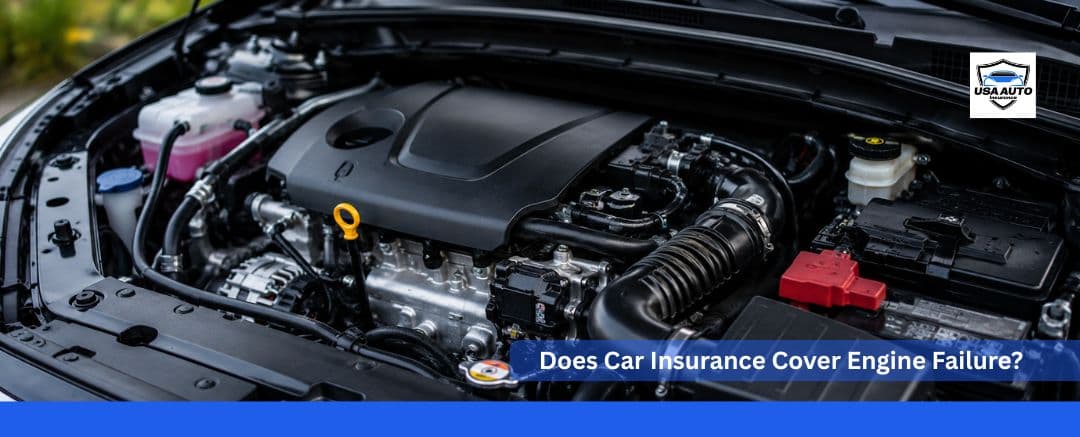
Does Car Insurance Cover Engine Failure?
Generally, no. Standard auto insurance doesn't cover engine failure caused by mechanical breakdown, normal wear and tear, or poor maintenance.

USA Auto Insurance
USA Auto is a licensed Managing General Agent (MGA) providing auto insurance policies underwritten by USA Underwriters Insurance Company.
Support
Copyright © USA Auto
Built by Neutrix | Powered by Neutrix Systems