April 13, 2026
Car Insurance Coverage
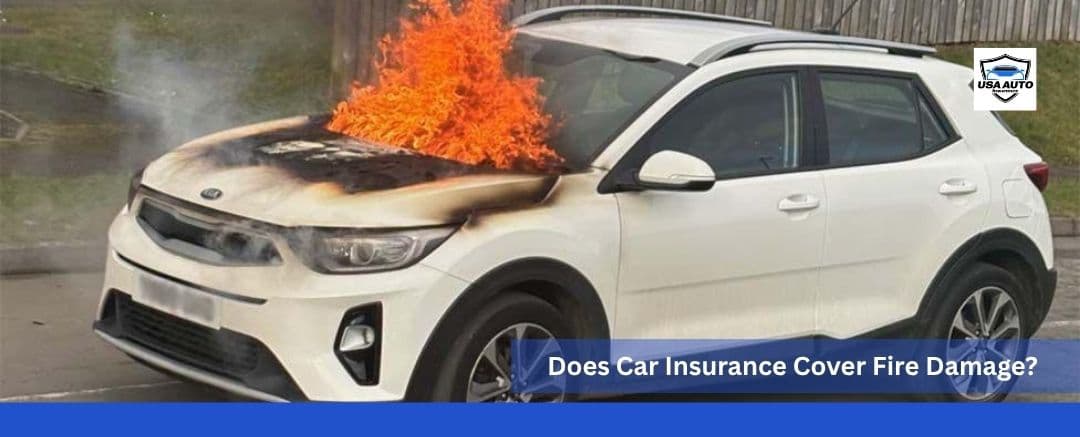
Does Car Insurance Cover Fire Damage?
An accidental fire can significantly damage your car, even to the point that it’s beyond repair. The extent of the damage depends on the duration and severity of the fire, and the parts that were damaged.
If the fire is extinguished within a short time, it may still be possible to repair your car. However, if the fire continues for a longer time and spreads, it can be damaged to the point where it’s declared a total loss.
So, does car insurance cover fire damage? The good news is yes, but only if you have the right type of coverage. In this guide, you’ll learn what causes car fires, how common they are, which types of car insurance cover fire damage, and when coverage may not apply.
What Causes Car Fires and How Common Are They?
The most terrifying thing about car fires is, it’s unpredictable. Car fires may be rare, but when they happen, they can escalate quickly and cause severe damage. According to a recent NFPA study, there were 215,096 vehicle fires, which represents 16% of the 1.4 million fire incidents across the U.S. between 2018 and 2022.
Based on the U.S. Fire Administration, 1 in 8 vehicle fires occur on highways, and about 33 cars catch fire every hour. This means every car is susceptible to fire damage, which can happen due to a crash or while your car is safely parked on the street, parking lot, or your own garage.
Here are some common causes of car fires as follows:
- Electrical system failure or malfunction
- Fuel/fluid leakage
- Overheating engine components
- Car crash Vandalism or arson
- Electric vehicle (EV) battery issues
- Overheating issues due to pest infestation or debris accumulation
- Poor maintenance
- Manufacturer’s defects
Understanding these causes can help you take preventive steps, reduce the risk of fire damage, and obtain the right coverage to cover any financial loss.
What Type of Car Insurance Covers Fire Damage?
Car insurance can cover fire damage, but only if you have the right type of car insurance coverage. In most cases, comprehensive coverage protects your vehicle from fire-related damage, whether it’s caused by an accident, electrical issues, or external factors like vandalism or wildfires.
On the other hand, if your car catches fire due to an accidental collision with another object or vehicle, collision insurance applies. If you have financed the car on loan, gap insurance can be useful to cover the difference between what you owe and the car’s actual cash value if it’s declared a total loss.
If you’re looking to protect your vehicle from unexpected risks like fire, it’s important to review your auto insurance policy and ensure you have the right coverage in place from a reliable insurance provider. Here’s a detailed overview of the main types of car insurance that cover fire damage.
Comprehensive Coverage
Comprehensive coverage is the primary type of car insurance that covers fire damage. It protects your vehicle from non-collision incidents, including fires caused by electrical malfunctions, engine overheating, vandalism, arson, or natural events like wildfires.
If your car catches fire under any of these circumstances, comprehensive insurance will typically cover the cost of repairs. However, if the damage is severe and the vehicle is declared a total loss, your insurer will pay out its actual cash value (ACV) at the time of the incident, minus your deductible.
It’s important to note that comprehensive coverage is optional, but it’s highly recommended if you want protection against unexpected risks like fire. Without it, you would have to pay out of pocket for any fire-related damage to your car.
Collision Coverage
If your car accidentally crashes with another vehicle or object and catches fire due to the resulting impact, the collision insurance coverage may cover your car’s repair and replacement costs up to its actual cash value (ACV) after deductibles. Keep in mind that collision coverage only applies when the fire is directly caused by the accident.
For example, if your car crashes and the impact leads to a fire due to fuel leakage or damaged components, this coverage would apply. It’s also important to consider your deductible when filing a claim under collision coverage.
On the other hand, if the cost of repairs is close to or less than your deductible, it may not be worth filing a claim. Understanding when collision coverage applies can help you make better decisions and avoid unexpected out-of-pocket expenses.
Gap Insurance Coverage
Gap insurance does not directly cover fire damage, but it can still play an important role if your car is totaled in a fire. If your car is financed or leased, there may be a difference between what your car is worth (its actual cash value) and what you still owe on your loan.
In this situation, comprehensive or collision coverage will only pay up to the car’s value, not the remaining loan balance. Gap insurance helps cover this gap, ensuring you’re not left paying out of pocket for a vehicle you can no longer use. This can be especially useful if your car is declared a total loss after a fire.
For example, suppose your car is worth $18,000 at the time of a fire, but you still owe $22,000 on your auto loan. If your vehicle is declared a total loss, your comprehensive or collision coverage will only pay up to the car’s actual cash value of $18,000 (minus your deductible).
This leaves a $4,000 gap that you’re still responsible for paying out of pocket. With gap insurance, that remaining balance would be covered, so you’re not left paying for a car you no longer have.
Does Liability Coverage Protect Your Car from Fire Damage?
No, liability coverage does not protect your car from fire damage, as this coverage is designed to cover the repair or replacement costs of another driver up to your coverage limit if you were at fault for the accident.
If your own car is damaged by fire, you would need comprehensive coverage for protection against non-collision events. However, if the fire results from a crash, collision coverage may apply.
Optional Car Insurance Coverages That Help After Fire Damage
While standard car insurance options like comprehensive and collision provide essential protection, optional coverage, also known as endorsements, can offer additional financial support after a fire-related incident. Here are some useful add-ons for enhanced financial protection in case your car gets damaged by an accidental fire.
- OEM coverage: Ensures your car is repaired with original manufacturer parts after fire damage, which can be important if key components get damaged or burned out.
- New Car Replacement Coverage: If your car is totaled in a fire, this coverage replaces it with a brand-new vehicle instead of paying its depreciated value.
- Roadside Assistance Coverage: Covers the cost of a rental car while your vehicle is being repaired or replaced after fire damage.
- Rental Car Reimbursement Coverage: Helps with towing your vehicle to a repair facility if it becomes undrivable due to fire damage.
What Type of Fire Damage is Covered by Car Insurance?
Car insurance can cover a wide range of fire-related damage, depending on how the fire starts and the type of coverage included in your policy. In most cases, comprehensive coverage applies to fires caused by non-collision events, while collision coverage may apply if the fire results from an accident.
Understanding which fire-related incidents are typically covered can help you know what to expect when filing a claim. The table below outlines the common types of fire damage that are generally covered under car insurance and the coverage that applies.
Situation / Cause of Fire | Coverage Type Applied |
Electrical system failure | Comprehensive coverage |
Engine overheating | Comprehensive coverage |
Fuel or fluid leak | Comprehensive coverage |
Vandalism or arson (not by owner) | Comprehensive coverage |
Wildfire or natural fire | Comprehensive coverage |
Fire caused by falling objects | Comprehensive coverage |
Fire after hitting an animal | Comprehensive coverage |
Fire resulting from a car accident | Collision coverage |
Fire damaging another person’s vehicle/property | Liability coverage (third-party damage only) |
Car totaled and loan balance remains | Gap insurance |
Car repaired after fire with original parts | OEM coverage |
Car totaled and needs full replacement | New car replacement coverage |
Need a temporary vehicle after fire damage | Rental car reimbursement coverage |
Vehicle becomes undrivable and needs towing | Roadside assistance coverage |
Does Car Insurance Cover Wildfire or Forest Fire?
Yes, car insurance can cover wildfire or forest fire damage, as these events are considered natural disasters and are typically covered under comprehensive coverage. This type of insurance protects your vehicle from non-collision incidents, including fires caused by external factors like wildfires.
If your car is damaged or destroyed by a wildfire, comprehensive coverage will usually pay for the repairs or reimburse you for the vehicle’s actual cash value (ACV) if it’s declared a total loss, minus your deductible. This applies whether your car is parked at home, on the street, or in a parking lot when the fire occurs.
In cases where your car is totaled, additional coverage can provide extra financial protection. For example, gap insurance can help cover the difference between your car’s value and the remaining loan balance.
Similarly, OEM coverage ensures your vehicle is repaired with original manufacturer parts after fire damage, while new car replacement coverage can replace your vehicle with a brand-new one instead of paying its depreciated value.
However, since comprehensive coverage is optional, you’ll only be protected if it’s included in your policy before the wildfire happens. Without it, you would have to cover the cost of fire-related damage out of pocket, which can be significant in the case of large-scale wildfires.
Does Insurance Cover Engine Fire or Electrical Fire?
Yes, car insurance typically covers engine fires and electrical fires, as they are among the most common causes of vehicle fires. These can result from mechanical failure, faulty wiring, overheating components, or even damage caused by a collision.
Generally, comprehensive coverage applies when the fire is caused by non-collision issues, such as electrical malfunctions or engine overheating. However, if a crash leads to a fire, collision coverage may apply instead.
If the damage is severe and your car is declared a total loss, your insurer will reimburse you for its actual cash value (ACV), minus your deductible. If your vehicle is financed or leased, gap insurance can help cover any remaining loan balance. Optional coverages like OEM coverage and new car replacement coverage can also provide additional financial protection after fire damage.
When Does Car Insurance Not Cover Fire Damage?
While car insurance covers fire damage in many situations, there are certain scenarios where coverage may not apply. Understanding these exclusions can help you avoid unexpected claim denials.
Here are some common situations where car insurance may not cover fire damage.
- Intentional damage or arson caused by the policyholder
- Lack of comprehensive coverage in the policy
- Fire caused by wear and tear or poor maintenance
- Mechanical or electrical failure due to neglect
- Using the vehicle for illegal activities
- Fire damage occurring outside the policy coverage period
- Undisclosed modifications or misrepresentation of the vehicle
- Claims exceeding your policy limits
How to File a Claim for Fire Damage?
Filing a car insurance claim for fire damage is a straightforward process, but acting quickly and providing accurate information is essential. Taking the right steps can help speed up your claim and ensure you receive the appropriate compensation.
Follow these steps to file a claim for fire damage:
- Ensure your safety and move away from the vehicle
- Contact emergency services if the fire is still active
- Notify your insurance provider as soon as possible
- Document the damage with photos and videos
- Provide all required details (location, cause, extent of damage)
- Submit any supporting documents requested by your insurer
- Get a damage assessment or inspection arranged by the insurer
- Review the estimate and settlement offer
- Pay your deductible (if applicable) and proceed with repairs or settlement
The Bottom Line: Keep Your Car and Finances Protected Against Fire with Car Insurance
There’s always a risk of accidental fire, and it can cause serious damage to your car. For example, if your home catches fire, it can spread to your vehicle. Similarly, living in a wildfire-prone area or being involved in an accident can also put your car at risk.
Whether your car is parked or on the road, fire damage can happen unexpectedly. The best way to protect yourself financially is to have the right coverages in place, including comprehensive and collision coverage, along with optional add-ons like OEM coverage, gap insurance, and new car replacement coverage.
If you’re unsure which coverage options fit your needs and budget, contact us for a free quote and expert advice to help you choose the right protection against fire damage and other unexpected risks.
Does fire count as accidental damage?
Yes, fire is generally considered accidental damage in car insurance, as long as it’s sudden and unintentional. This includes fires caused by electrical faults, engine overheating, or even an accidental car crash that leads to a fire. However, coverage typically applies only if you have comprehensive or collision coverage, depending on how the fire started.
How does insurance pay for fire damage?
Insurance typically pays for fire damage based on your car’s actual cash value (ACV) at the time of the incident, minus your deductible. If the damage is repairable, your insurer will cover the cost of repairs. If the car is declared a total loss, you’ll receive a payout equal to its current market value rather than the original purchase price.
What kind of fire is covered by insurance?
Most types of accidental fires are covered by car insurance, especially under comprehensive coverage. This includes fires caused by electrical issues, engine overheating, fuel leaks, vandalism or arson (not by the owner), and natural events like wildfires. If a fire results from a car accident, collision coverage may apply instead.
Does insurance cover fire damage if my car is parked?
Yes, car insurance can cover fire damage even if your car is parked, as long as you have comprehensive coverage. This includes fires caused by external factors like wildfires, vandalism, or nearby incidents.
Will my car insurance premium increase after a fire claim?
It depends on your insurer and the cause of the fire. If the fire was not your fault, such as a wildfire, vandalism, or natural disaster, your premium may not increase significantly. However, if the fire occurred due to an accidental crash, then your premiums can rapidly increase, and if you were at fault for the accident, it can rise even more. Plus, frequent or multiple claims within the past 3 to 5 years can lead to higher premiums.
Does car insurance cover smoke damage from a fire?
Yes, comprehensive coverage typically includes smoke damage caused by a fire. This can affect your car’s interior, electronics, and air quality, even if the fire itself didn’t directly burn the vehicle.
Tag :
auto insurance
Latest Blog
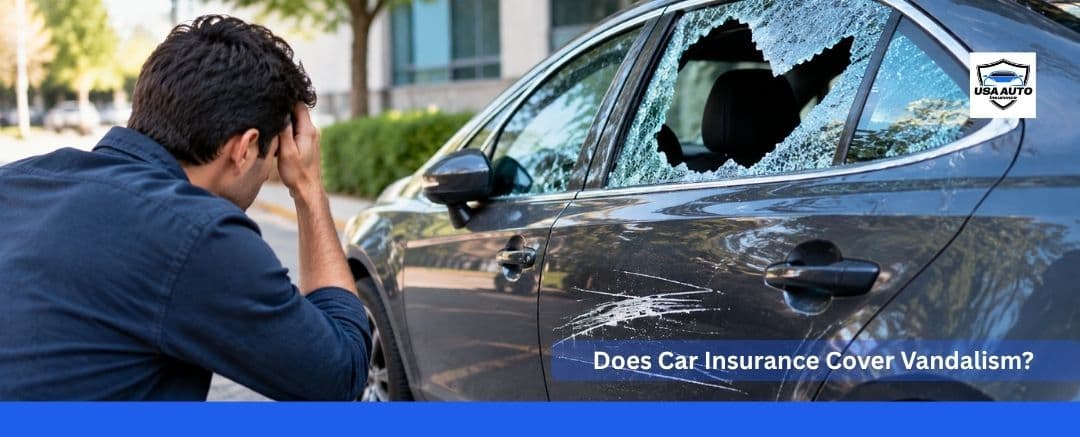
Does Car Insurance Cover Vandalism?
Yes, car insurance does cover vandalism, but only if you have comprehensive coverage. If you just have the basic liability coverage, your auto insurance policy won’t cover your car’s repair or replacement costs caused by vandalism.
What is a Deductible in Car Insurance?
A deductible in car insurance is the amount you agree to pay out of pocket toward a covered claim before your insurance provider pays the remaining costs.
Should I Have Collision Insurance on a 10-Year-Old Car in Michigan?
Yes, you may still want collision insurance on a 10-year-old car in Michigan. The vehicle's age alone does not determine whether the coverage is worth keeping.
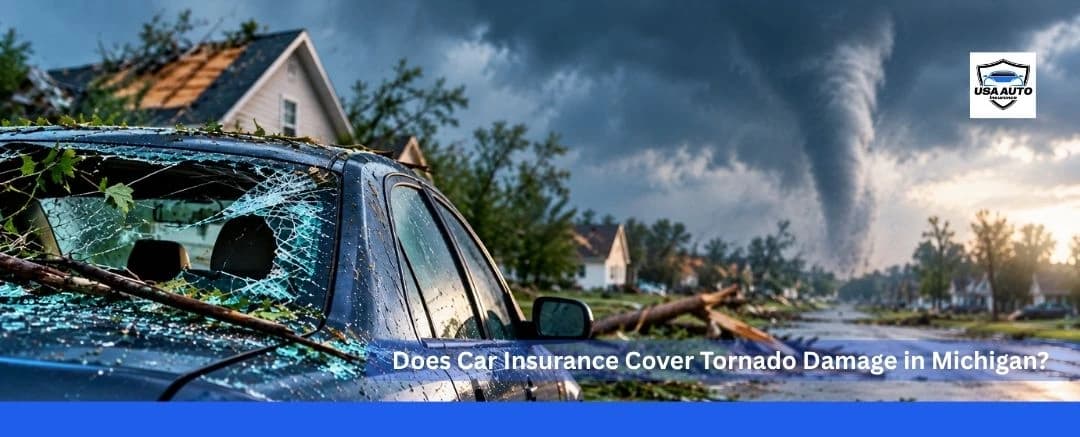
Does Car Insurance Cover Tornado Damage in Michigan?
Yes, car insurance can cover tornado damage in Michigan if you have comprehensive coverage. This optional coverage generally protects your vehicle from covered losses that do not result from a collision.
Can You Get Temporary Car Insurance?
Yes, you can get coverage for short-term driving needs, but probably not in the way you expect.
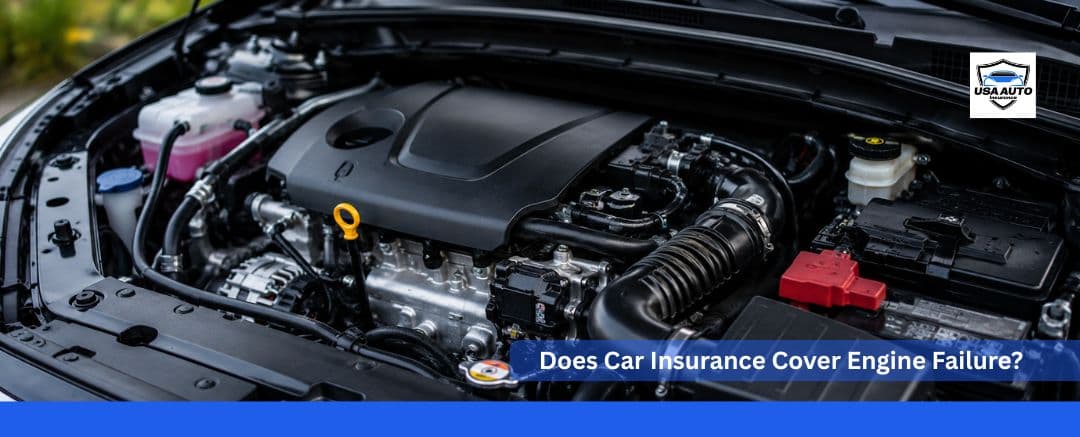
Does Car Insurance Cover Engine Failure?
Generally, no. Standard auto insurance doesn't cover engine failure caused by mechanical breakdown, normal wear and tear, or poor maintenance.

USA Auto Insurance
USA Auto is a licensed Managing General Agent (MGA) providing auto insurance policies underwritten by USA Underwriters Insurance Company.
Support
Copyright © USA Auto
Built by Neutrix | Powered by Neutrix Systems