February 18, 2026
Auto Insurance
How to Lower Your Car Insurance Rate?
Whether you’re struggling to afford your car insurance
premiums or you’re trying to figure out ways to save on your car insurance
policy, there are some effective ways to lower your car insurance rate.
If you look into the car insurance rate trend over the past
few years, it’s steadily increasing, which means your car insurance is becoming
more expensive with each passing year.
According to NAIC
statistics, the average car insurance premium for full coverage in 2020 was
$1,176, and other sources, such as the Zebra,
show the average car insurance in 2020 was around $1,483.
Based on the trend analysis, the average car insurance rate
has increased by at least 50% in the last 6 years.
Here’s a breakdown of the average car insurance cost in the last 6 years, with the changes in premiums compared to the previous year.
- Average Car Insurance Rate in 2020: $1,483
- Average Car Insurance Rate in 2021: $1,674 (12.87% increase)
- Average Car Insurance Rate in 2022: $1,771 (5.80% increase)
- Average Car Insurance Rate in 2023: $2,013 (13.66% increase)
- Average Car Insurance Rate in 2024: $2,350 (16.74% increase)
- Average Car Insurance Rate in 2025: $2,697 (14.77% increase)
While economic conditions like inflation are beyond your control, the good news is that your car insurance rate is mainly determined by evaluating your personal rating factors like your driving record, choice of coverage, claims history, and other key factors.
By making a few smart adjustments, it’s absolutely possible to reduce your premium and save money. In this guide, you’ll learn 10 proven strategies to help you lower your car insurance rate without sacrificing essential coverage.
10 Effective Ways to Lower Your Car Insurance Rate
If you feel like your car insurance is so expensive that it’s getting difficult for you to afford your auto insurance premiums, you’re not alone. Based on a survey in 2023, it was found that about 40% drivers in the U.S. struggle to afford car insurance.
Generally, your car insurance rate can significantly increase, especially if you have a poor driving record, recent car insurance claims in the last 3 to 5 years, and a policy lapse. Even if you’re paying high premiums right now, it doesn’t mean it’s permanent.
In fact, there are some effective steps that you can take to change that. Starting with your choice of a reliable insurance provider and finding more affordable auto insurance coverage, it’s all possible through responsible decisions and safe driving practices.
So, if you’re looking for practical ways to cut your costs, here are 10 effective methods to lower your car insurance rate, while securing adequate coverage.
Maintain a Clean Driving Record
The most essential requirement to lower your car insurance cost is to maintain a clean driving record. When it comes to determining your car insurance premium, your driving records are closely reviewed to evaluate whether you’re a safe driver or a high-risk driver.
Typically, a clean driving record means you strictly obey traffic rules while maintaining safe driving practices, which reduces the chance of getting into an accident and claiming car insurance.
So, if you can manage to maintain a clean driving record, you can qualify for lower premiums, which can also include discounts, and other special offers.
Complete a Defensive Driving Course
There are times when it's necessary to prove that you’re taking proactive steps to become a more responsible driver. If you’re a young driver, particularly between the ages of 16 and 19, you may face higher premiums due to a lack of experience, and because young drivers are three times more prone to fatal accidents.
On the other hand, if you have substantial driving experience, but you currently have a poor driving record, it can be difficult to reduce your premiums. So, that’s why it’s essential to show certified evidence to prove that you’re progressively putting in the effort to drive more responsibly by completing a defensive driving course.
Completing a state-approved defensive driving course demonstrates that you’re actively improving your skills behind the wheel. These courses review safe driving practices, traffic laws, and hazard awareness. Once you finish the program, you receive a certificate that can help you offset higher premiums.
Avoid Filing Small or Unnecessary Claims
Whether you’re at-fault for the car accident, or not, it’s best to avoid claiming car insurance for minor damages, or injuries that you can easily pay out of pocket, especially if its within your deductible amount.
Each time you claim your car insurance, even if it's a minor damage that comes with a cheap repair cost, it can lead to significantly higher premiums in the following year, especially when it's time to renew your policy.
Typically, at-fault car insurance claims can increase your premiums by 20% to 50%, while no-fault claims can increase your premiums by 10%. While some insurers offer accidental forgiveness by default or as a paid endorsement, your premiums can significantly increase if you make multiple claims.
So, if you want to maintain an affordable car insurance coverage, you should avoid making car insurance claims for small or minor expenses that you can easily cover out of pocket. Plus, if you manage to keep a track record of zero car insurance claims within a 3-to-5-year time frame, you may qualify for premiums even below your state or national average.
Review Your Car Insurance Coverage Options
Another effective way to lower your car insurance rate is to closely review your car insurance coverage. If you have car insurance coverage that you don’t require, or if you purchase higher limits than what you need, you’re paying extra for your auto insurance policy.
So, that’s why it’s a crucial step to carefully review your car insurance policy and choose coverage that you need to have for adequate financial protection. Based on your financial condition and your personal profile, if you can’t afford multiple essential coverage, then you can just opt for the minimum mandatory coverage, depending on the state in which you’re located.
While just having the minimum state-mandated coverage is the cheapest option, and it can significantly reduce your premiums, it may not be adequate for effective financial protection, and that’s why you should only opt for this option temporarily as a last resort until you’re able to afford stronger protection.
Find Out Whether You're Eligible for Discounts
If you manage to maintain a clean driving record, a continuous policy, and a zero-insurance claim record specifically in the last 3 to 5 years, you can be eligible for attractive car insurance discounts to lower your premiums.
Many insurers offer different types of car insurance discounts to provide unique benefits to various policyholders. Based on demographic factors, car insurance is generally expensive for the youngest drivers between the ages of 16 and 19.
However, with the good student discount, or student away at school discount, you can save up to 20% on your auto insurance policy. Other common savings opportunities include:
- safe-driver discounts
- defensive driving course discounts
- low mileage discounts
- car safety feature discounts,
- loyalty discounts, and more.
If you’re shopping for a new policy, always ask insurers which discounts you may qualify for. And if you’re already insured, review your current policy or speak with your agent to ensure that you’re not missing out on savings that you’re already eligible for.
Opt for Usage-Based Insurance if You Drive Less
If you have a low annual mileage of 7,500 or below, you should consider usage-based car insurance, which is also known as the telematics insurance program. By opting for telematics insurance, you can save up to 40% on your policy.
Here’s the catch though; you will need to install a telematics device on your car or an app on your mobile phone so that your insurer can track your mileage and driving patterns. If you don’t use your car regularly, then telematics insurance can be very useful to lower your premiums.
Consider Raising Your Deductibles to Lower Premiums
If you need to reduce your premiums to get a more affordable auto insurance coverage within your budget, you can consider increasing your deductibles. Although it's the quickest and easiest way to lower your car insurance rate, it's essential to ensure that the deductible amount is within your flexible affordability.
Keep in mind that if you claim your car insurance after an accident or unexpected event, you will need to pay your deductible amount first to get covered by your policy. According to a recent survey, it was found that 27% of Americans can’t afford their deductibles.
So, if you decide to raise your deductible, make sure it still fits your budget and financial situation. Ideally, it should be an amount you could pay at any time without hardship.
Pay Your Car Insurance Premium in Full
Many insurers provide a special benefit called pay in full discount, which can help you lower your premiums by 5% to 20%. If your car insurance provider offers this incentive, then you can reduce the cost of your auto insurance premium by paying the entire year’s premium at once, instead of paying monthly or quarterly installments.
Switch to a Car That's Cheaper to Insure
Insuring a sports car, or a classic car, can be much higher compared to a regular sedan car, SUV, or even a minivan. This is because high-end cars usually have a higher repair and replacement cost, which can make your auto insurance coverage significantly more expensive.
Typically, it can cost you about $1,900 to $2,000 annually to insure a regular car, while insuring a sports car, or high-end EV (electric vehicle) can cost you from $3,000 per year to $4,200 per year or more.
If you’re struggling to afford auto insurance for an expensive car, then it’s a feasible option to consider switching to a cheaper car to lower your car insurance premiums. So, choosing a car with lower repair costs and strong safety ratings can make a meaningful difference in your premium.
Get Quotes from Multiple Insurers
Every insurance provider has their own set of pricing and discount policies. If your current insurer is charging a higher premium, it’s time to explore other options. So, while shopping for car insurance, it's essential to explore quotes from multiple insurers.
In this way, you can compare which insurer provides the best policy in terms of both affordability and reliability. Remember, the goal here is to secure a better deal, which means you should prioritize choosing an insurance provider that offers cheaper coverage with a smooth and efficient claims process.
Is it Possible to Reduce Car Insurance Premium as a High-Risk Driver?
Yes, it’s possible to reduce your car insurance premium even if you’re classified as a high-risk driver. Whether you’re deemed a high-risk driver for facing various traffic violations, starting from a minor speeding ticket to major legal penalties like license suspension, or claiming insurance multiple times for at-fault accidents, there are ways to lower your premiums.
You can switch to another insurance provider that specializes in non-standard auto insurance for high-risk drivers while choosing your coverage more wisely with an increased deductible to lower your premiums. Moreover, you can progressively take proactive steps to improve your driving records.
The guide provided in this article applies for both safe and high-risk drivers. So, if you already have a clean record, these tips can help you find the most affordable coverage. And if your record isn’t perfect, they can guide you toward reducing your insurance costs over time.
Final Tip: Always Stay Properly Insured
No matter what you do, it’s always essential to stay insured. Let’s say your current policy becomes so expensive that it’s no longer possible for you to afford it. In that case, don’t cancel your auto insurance policy, and stay uninsured. Keep in mind that even a single day’s policy lapse can increase your car insurance premium by 8%, and if it extends over a month, your car insurance can increase by 35% or more. So, promptly switch to a different reliable car insurer that offers a more affordable policy. If you need help staying insured or switching to a trusted car insurance provider, you can contact us to get personalized recommendations and a free quote.
Frequently Asked Questions (FAQs)
How do you lower your auto insurance policy?
You can lower your auto insurance premium by maintaining a clean driving record, comparing quotes from multiple insurers, raising your deductible, asking about available discounts, reviewing and adjusting your coverage, taking a defensive driving course, and choosing a vehicle that’s cheaper to insure. Plus, you can also consider usage-based or telematics insurance if you’ve a low annual mileage.
Can I negotiate a lower car insurance rate?
Yes, while you usually can’t “haggle” in the traditional sense, you can negotiate in practice by asking about discounts, adjusting your coverage and deductibles, improving your driving profile, and getting quotes from other insurers. If you find a cheaper comparable policy elsewhere, your current insurer may offer a better rate to keep you.
Can I ask my insurance company to lower my premium?
Yes, you can contact your insurance company and ask about ways to reduce your premium, such as applying available discounts, raising your deductible, adjusting coverage, or enrolling in a usage-based program. It also helps to compare quotes from other insurers, and sometimes switching providers can help you lower your premiums and secure better coverage.
Tag :
auto insurance
Latest Blog
What City in Michigan Has the Cheapest Auto Insurance?
If you're looking for the city with the cheapest auto insurance in Michigan, Portage currently ranks as the lowest-cost city in a recent minimum-coverage comparison.
Is Car Insurance Tax Deductible?
The short answer is it depends. For most drivers, personal car insurance premiums are not tax deductible. However, some drivers may qualify to deduct part of their auto insurance costs depending on how they use their vehicle and their tax situation.
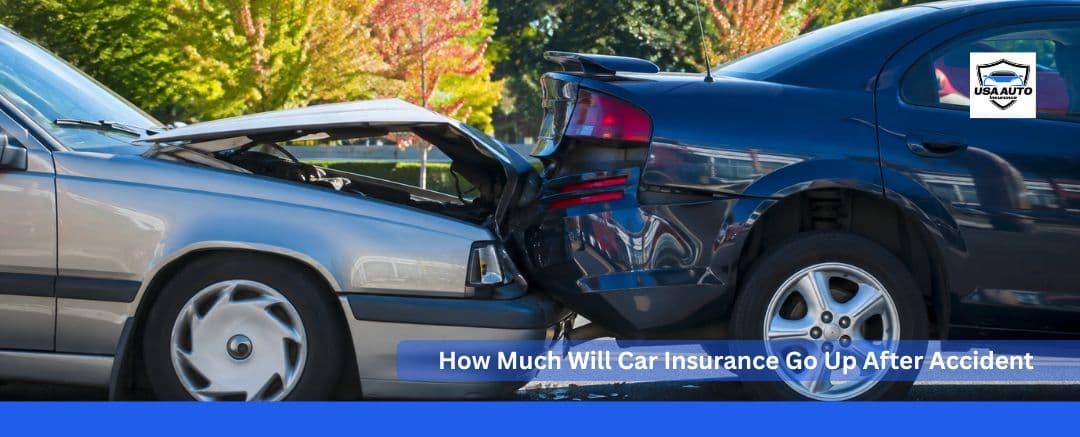
How Much Will Car Insurance Go Up After Accident
Car insurance usually goes up after an at-fault accident, but there isn't a standard increase that applies to every driver. While many drivers see their premiums rise after causing a crash, the exact amount depends on the circumstances of the accident and how their insurance company evaluates risk.

Are Older Cars Cheaper to Insure?
Older cars are often cheaper to insure than newer models, but car insurance costs aren't determined by a vehicle's age alone. While age plays an important role, it isn't the only factor insurance companies consider when calculating your premium.

Does Being Married Lower Car Insurance?
Being married can lower car insurance rates, but it isn't guaranteed. In many states, insurance companies consider marital status when calculating premiums because married drivers have historically filed fewer claims than single drivers.
Why is Car Insurance So Expensive in Michigan?
If you compare the car insurance rate in Michigan with the national average, the average car insurance premium in Michigan is at least $70 more per year.

USA Auto Insurance
USA Auto is a licensed Managing General Agent (MGA) providing auto insurance policies underwritten by USA Underwriters Insurance Company.
Support
Copyright © USA Auto
Built by Neutrix | Powered by Neutrix Systems