March 24, 2026
Car Insurance Coverage
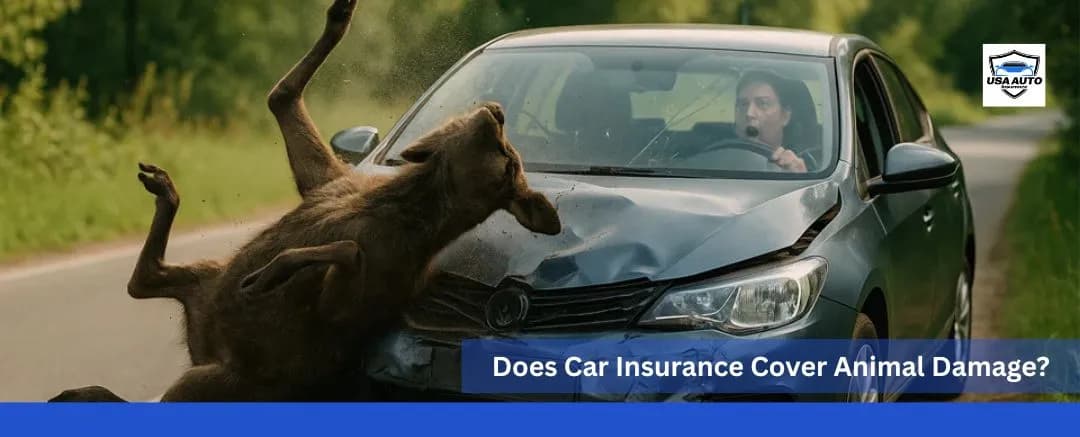
Does Car Insurance Cover Animal Damage?
Yes, car insurance covers animal damage only when you have comprehensive coverage. Typically, comprehensive coverage covers unexpected events that are beyond your control.
While driving, you may accidentally hit an animal that suddenly appears in front of your car. In many cases, wild animals like deer or moose may run onto the road and cause an accidental collision.
Animal damage can also happen when your car is parked. For example, raccoons or other animals may scratch your vehicle or chew wires, which may require costly repairs.
In these situations, comprehensive coverage of your car insurance policy can help pay for repairs if your vehicle is accidentally damaged by an animal. In this article, you will learn how car insurance covers animal damage, when other types of coverage may apply, and what steps to take if your car is damaged by an animal.
How Does Car Insurance Cover Animal Damage?
When an animal damages your car, the comprehensive coverage of your car insurance policy may cover the repair or replacement costs based on your car’s actual cash value after the deductible is paid.
This coverage typically applies whether the damage happens during an animal collision while driving or when animals damage your vehicle while it is parked. Comprehensive insurance is designed to protect your vehicle from unexpected incidents that are outside your control, including damage caused by animals.
Depending on the severity of the damage, the insurer may either pay for the repairs or declare your car a total loss and compensate you based on its current market value. Here are some common situations when comprehensive coverage generally covers animal damage to your car.
- Colliding with an animal: If you accidentally hit an animal while driving, comprehensive coverage may help pay for the damage to your vehicle. This can include collisions with wildlife such as deer, as well as animals like dogs, cats, birds, or livestock that suddenly enter the roadway.
- Animals getting inside the vehicle: Small animals may enter a parked car through openings in the undercarriage, wheel wells, or ventilation areas. If they damage interior components, wiring, or insulation, comprehensive coverage may help cover the repair costs.
- Nesting in the engine compartment: If your car stays parked for long periods, rodents or other small animals may enter the engine compartment and build nests. Nesting materials, fur, and waste left behind can damage hoses, wiring, insulation, and other engine components. In these situations, comprehensive coverage may help pay for the repairs.
- HVAC system damage: Animals or pests may enter the vehicle’s ventilation system or air intake vents and build nests inside the HVAC system. Nesting debris, fur, and waste can clog air ducts, damage components, or cause unpleasant odors. If these issues result in damage to the ventilation system, comprehensive coverage may help cover the repair costs.
- Chewing electrical wiring: Rodents often chew through vehicle wiring and cables, which can lead to electrical failures, warning lights, or starting issues, which are generally covered under comprehensive coverage, starting from repairing wire damage to replacing essential parts.
- Interior damage: If animals enter your vehicle, they may tear seat fabric, chew upholstery, damage insulation, or scatter nesting materials and waste inside the cabin. In these situations, comprehensive coverage may help pay for cleaning, repairs, or replacing damaged interior components.
Before paying the claim, the insurer will typically subtract the deductible from the repair cost. The final payout is also based on the vehicle’s actual cash value (ACV), which accounts for depreciation and the car’s current value.
Situations When Other Types of Car Insurance May Help Cover Animal Damage
While comprehensive insurance primarily covers damage caused by animals, other types of car insurance coverage may also help in certain situations related to an animal accident.
These coverages can provide additional financial protection, especially if you swerve to avoid hitting an animal, if injuries occur, or if other vehicles or property are involved. Let’s explore some coverage options that may help extend protection when your car is damaged in an animal-related accident.
Collision Coverage
If you swerve to avoid hitting an animal and accidentally crash into a tree, another vehicle, or any other object, the accident itself won’t be considered animal damage. In this case, it will be considered an accidental collision, which is covered by collision coverage.
Typically, comprehensive insurance is designed to cover unexpected events that are beyond your control and is commonly known as non-collision coverage. Situations where an animal suddenly enters the road are usually unavoidable, and any damage to your car caused by hitting the animal is generally covered under comprehensive coverage.
However, if you swerve to avoid the animal and end up hitting something else, the damage is treated as a collision. In this situation, collision coverage may help pay for the repairs or replacement costs up to your car’s actual cash value (ACV) after your deductible is paid.
Liability Coverage
Similarly, if you swerve to avoid hitting an animal, and if your car ends up crashing into another vehicle, and if you’re at-fault for the accident, then you may be held liable if the other driver files a claim.
In this situation, the liability coverage of your car insurance policy will cover the other driver’s vehicle repair or replacement expenses. If the other driver, their passengers, or any pedestrian gets injured due to the accident, which you’re responsible for, the liability coverage will pay for their medical bills as well, up to your policy’s coverage limits.
Roadside Assistance Coverage
When your car hits a large animal like a deer, zebra, moose, or buffalo, the impact of the collision can instantly damage its engine, transmission, and other major components, which can make the car dysfunctional.
In such cases, you may be left stranded on the road, and if your car’s engine does not respond, then you will have to get it towed to the nearest auto repair shop. With the roadside assistance coverage, your car insurance policy may cover emergency car repairs, which mainly involve minor repairs and jumpstarting the battery, along with the cost of towing the vehicle.
MedPay or PIP Coverage
If you or your passengers are injured after colliding with an animal or while trying to avoid hitting one, medical expenses can quickly add up.
In these situations, Medical Payments (MedPay) coverage or Personal Injury Protection (PIP) may help cover medical expenses for you and your passengers, regardless of who was at fault for the accident. These coverages can help pay for costs such as hospital visits, doctor consultations, ambulance services, and other necessary medical treatments.
PIP coverage may also extend to additional expenses in some states, including lost wages, rehabilitation costs, and essential services if your injuries prevent you from performing daily activities.
Gap Insurance Coverage
If you’ve financed a car on loan and it gets damaged to the point where it’s beyond repair due to an animal-related incident, the comprehensive insurance will only cover your car’s replacement cost up to its actual cash value (ACV). This means you lose the depreciated amount, which means you may have to pay the remaining loan out of pocket unless you have gap insurance.
When your car is declared a total loss due to an animal collision, the gap insurance coverage will cover the difference between your car’s ACV and the remaining loan balance, so you won’t have to pay that amount out of pocket.
Here's an example, suppose you still owe $25,000 on your car loan, but after an animal collision your car is declared a total loss and the insurance company determines its actual cash value (ACV) to be $21,000.
Comprehensive insurance will pay the $21,000, but you would still owe the remaining $4,000 on the loan. If you have gap insurance, it can help cover that $4,000 difference, so you won’t have to pay it out of pocket.
Does Car Insurance Cover Deer and Other Wild Animals?
Yes, car insurance covers deer, elk, moose, buffalo, or other wild animals that may suddenly enter the road, leading to an accidental collision with your car. While other animals may also be hit when they suddenly enter the road, deer collisions are the most common due to their large population and their tendency to frequently cross roadways.
According to the Insurance Information Institute (III), about 1.7 million car insurance claims have been filed for accidentally hitting a deer between 2024 and 2025. When it comes to sudden animal-related accidents on the road, Michigan, West Virginia, Montana, Wisconsin, and Pennsylvania have some of the highest risks of deer-vehicle collisions because many roads pass through forested areas and wildlife habitats.
Does Car Insurance Cover Rodent Damage?
If you leave your car parked for long periods, rodents or other small animals may enter the vehicle and cause damage. Rodents have a natural tendency to chew, which can lead to damaged wiring and other mechanical issues.
They may also build nests inside the engine compartment, HVAC system, or other parts of the vehicle. Nesting debris, fur, and waste can clog air vents, damage seats, and affect other important components.
According to ATC, repairing rodent-related damage can cost anywhere from $300 to more than $15,000, depending on the extent of the damage. As these repairs can be expensive, comprehensive coverage can help protect you against the cost of rodent damage to your vehicle.
What Happens if My Car Accidentally Hits Someone’s Pet?
Here in the U.S., pets are legally treated as personal property. So, if your car hits someone’s pet, leading to an injury or death, you’re liable to cover their veterinary expenses or substantial compensation for the loss.
In this case, the liability coverage of your car insurance policy may cover compensation for the other person’s pet accident. And, if they file a lawsuit, the liability coverage will also pay for legal defense cost along with fines and settlement payments ordered by the court up to your coverage limits.
When Does Car Insurance Not Cover Animal Damage?
If you only have basic liability coverage, your car insurance policy will not cover damage to your own vehicle caused by animals, since this type of damage is typically covered under comprehensive insurance.
Apart from this, there are certain situations where car insurance may not cover animal-related damage, such as:
- Intentional Harm: If the damage occurs because you intentionally hit or harm an animal, the insurer may deny the claim. In some cases, the insurance company may also cancel your policy for violating policy terms.
- Negligence: If damage occurs due to preventable situations such as leaving your vehicle exposed for long periods or failing to maintain it properly, the insurer may investigate the circumstances and could deny the claim if negligence is determined.
- Swerve and Hit Accidents: If you swerve to avoid hitting an animal and crash into a tree, pole, or another vehicle, the damage is treated as a collision rather than animal damage. In this situation, comprehensive coverage will not apply unless you have collision coverage.
- Deductible Amount: If the repair cost is lower than your comprehensive deductible, the insurer will not pay for the repairs because the cost falls below the deductible amount.
Do I Need to Report an Animal Collision to the Police?
If it’s a domestic animal, such as a pet or livestock, you must report the animal collision to the police immediately after the accident. As it was mentioned before, pets and livestock are legally someone’s personal property, so this means you’re liable for any injury or harm due to the accident.
If you don’t report the incident to the police and drive away, you may face legal consequences for not reporting the incident. On the other hand, if you have hit a wild animal such as a deer or elk, it is recommended to call the police, especially if the animal remains immobilized on the road due to injury or death.
In general, it’s best to report any animal-related accident to the police as soon as possible. A police report can help document the incident and may support your insurance claim during the claims process.
What to Do if Your Car Gets Damaged by an Animal?
Your car can be damaged by an animal in two main ways: either through an accidental collision while driving or when an animal enters or damages your car while it is parked. Here’s what you should do in each of these situations.
What to Do When Your Car Accidentally Collides with an Animal?
If your car accidentally hits an animal while driving, it’s important to take the right steps to ensure your safety and handle the situation properly. Here are the steps you should follow.
- Ensure your safety: Slow down, pull over to a safe location, and turn on your hazard lights.
- Check for injuries: Make sure you and your passengers are safe before assessing the situation.
- Avoid approaching the animal: Injured animals can be unpredictable and may pose a safety risk.
- Contact the Police or Local Authorities: Call the police or animal control, especially if the animal is large or blocking the road.
- Document the Accident: Take photos of the damage, the animal (if safe), and the surrounding area, along with visible damage to your car.
- Report the incident to your insurer: Notify your insurance company and begin the claims process if your car was damaged.
What to Do When Your Car Gets Damaged by Invasive Animals?
If animals such as rodents or other pests get inside your car and cause damage, taking quick action can help prevent further issues and support your insurance claim.
- Inspect your vehicle: Check the engine bay, wiring, air vents, and interior for signs of nests, debris, or chewing damage.
- Remove the animal safely: Contact animal control or a professional pest service if an animal is still inside the vehicle.
- Clean the affected areas: Remove nesting materials, fur, and waste to prevent further damage or health risks.
- Document the damage: Take clear photos of the affected parts of the car for insurance records.
- Visit a repair shop: Have a mechanic inspect the vehicle for hidden wiring, HVAC, or engine damage.
- Contact your insurer: Inform your insurance provider and file a comprehensive claim if the damage is significant.
The Bottom Line: Get the Right Coverage for Adequate Protection
It’s important to keep in mind that your car insurance policy will only cover animal-related accidental damages when you have comprehensive coverage. For broader protection, you should consider keeping collision, adequate liability coverage limits, roadside assistance coverage, Medpay or PIP, along with gap insurance.
Even when it comes to protecting your car from animal damage, it is crucial to ensure you have the right coverage in your policy from a reliable car insurance provider. If you need help or expert advice, you can contact us to get started with a free quote.
Frequently Asked Questions (FAQs)
What happens if an animal damages your car?
If an animal damages your car, the repairs may be covered under comprehensive car insurance, which typically protects against unexpected events like animal collisions or damage caused by rodents or wildlife. However, you’ll usually need to pay your deductible before the insurance company covers the remaining repair costs. If you don’t have comprehensive coverage, you may have to pay for the repairs out of pocket.
What is the most common animal to get hit by a car?
The most common animal hit by cars in the United States is deer. Deer-vehicle collisions occur frequently because deer often cross roads in rural and forested areas, especially during dawn, dusk, and mating seasons. About 2.1 million deer-vehicle crashes occur each year in the U.S.
Does your car insurance go up if you hit an animal?
Hitting an animal is usually covered under comprehensive coverage, which is considered a no-fault claim. As a result, your car insurance premium typically does not increase after the incident. However, premium changes can vary depending on your insurer, claims history, and policy terms.
Am I at fault if I hit an animal?
In most cases, you are not considered at fault if you hit an animal, since animals can suddenly enter the road and the accident is usually unavoidable. These incidents are typically treated as comprehensive claims under car insurance rather than at-fault collisions. However, the exact determination may depend on the circumstances of the accident.
Tag :
auto insurance
Latest Blog
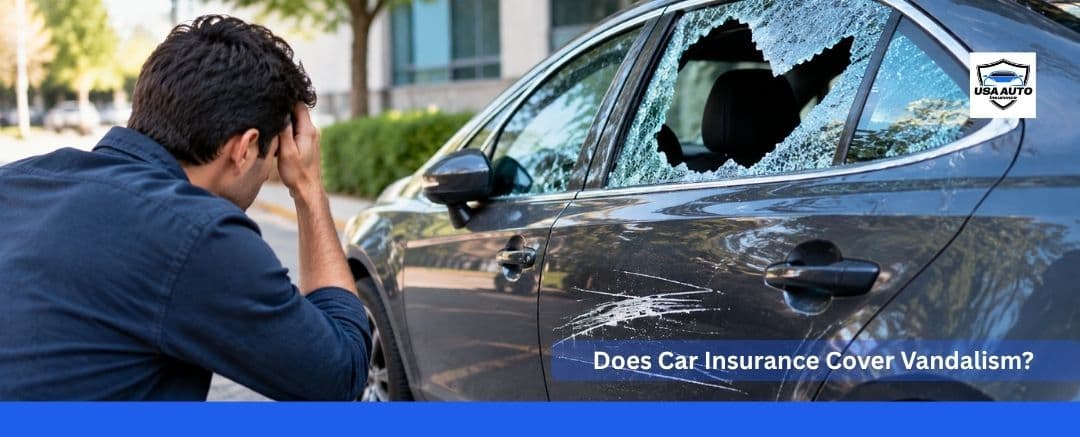
Does Car Insurance Cover Vandalism?
Yes, car insurance does cover vandalism, but only if you have comprehensive coverage. If you just have the basic liability coverage, your auto insurance policy won’t cover your car’s repair or replacement costs caused by vandalism.
What is a Deductible in Car Insurance?
A deductible in car insurance is the amount you agree to pay out of pocket toward a covered claim before your insurance provider pays the remaining costs.
Should I Have Collision Insurance on a 10-Year-Old Car in Michigan?
Yes, you may still want collision insurance on a 10-year-old car in Michigan. The vehicle's age alone does not determine whether the coverage is worth keeping.
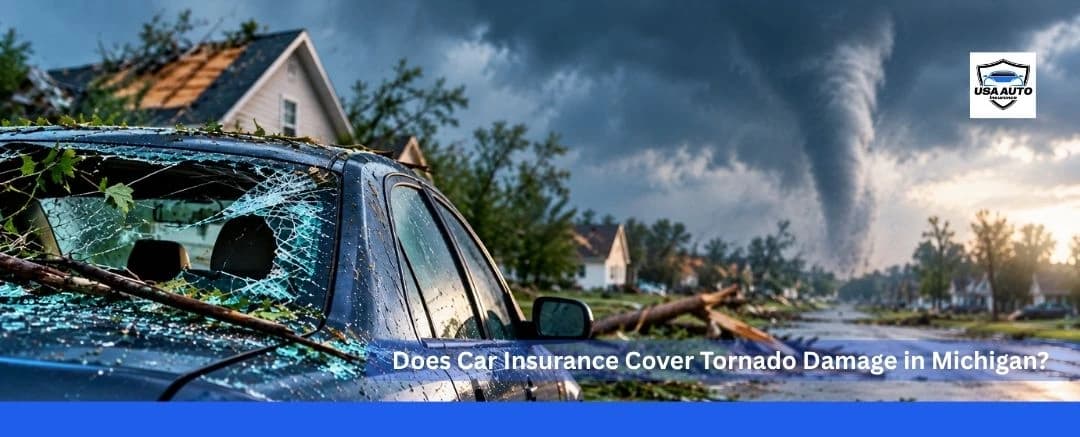
Does Car Insurance Cover Tornado Damage in Michigan?
Yes, car insurance can cover tornado damage in Michigan if you have comprehensive coverage. This optional coverage generally protects your vehicle from covered losses that do not result from a collision.
Can You Get Temporary Car Insurance?
Yes, you can get coverage for short-term driving needs, but probably not in the way you expect.
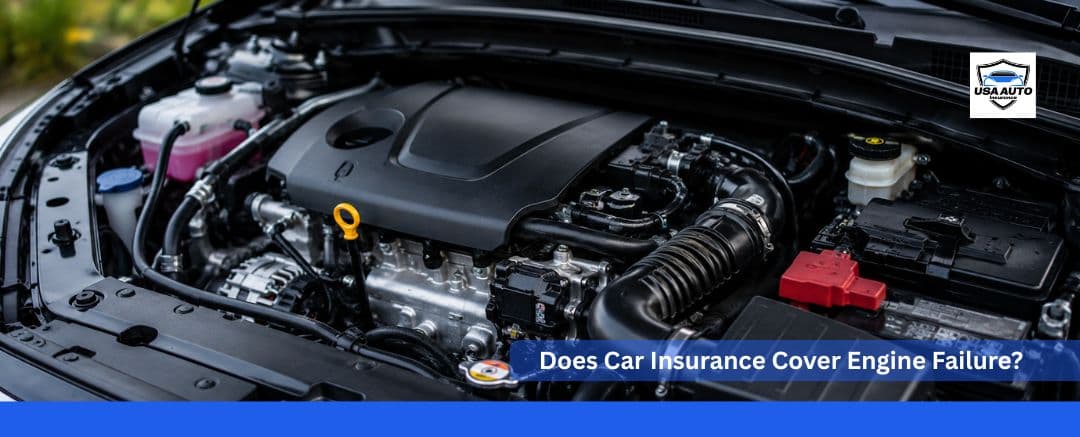
Does Car Insurance Cover Engine Failure?
Generally, no. Standard auto insurance doesn't cover engine failure caused by mechanical breakdown, normal wear and tear, or poor maintenance.

USA Auto Insurance
USA Auto is a licensed Managing General Agent (MGA) providing auto insurance policies underwritten by USA Underwriters Insurance Company.
Support
Copyright © USA Auto
Built by Neutrix | Powered by Neutrix Systems