July 26, 2026
Car Insurance Cost
Are Older Cars Cheaper to Insure?
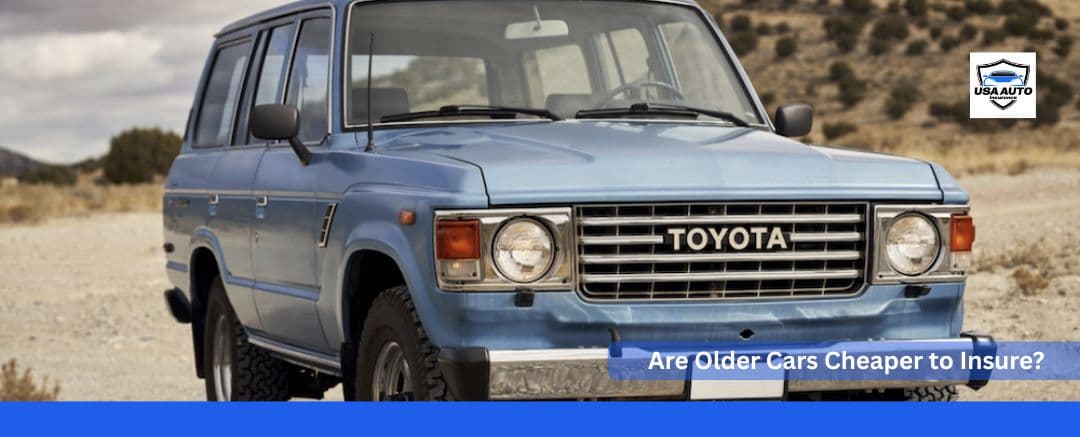
Older cars are often cheaper to insure than newer models, but car insurance costs aren't determined by a vehicle's age alone. While age plays an important role, it isn't the only factor insurance companies consider when calculating your premium.
In many cases, older vehicles have lower market values because they've depreciated over time. As a result, they may cost less to repair or replace after a covered loss, which can help lower the cost of certain insurance coverages. However, not every older car is inexpensive to insure. Some models have costly replacement parts, higher theft rates, or repair expenses that can increase premiums.
In this article, we'll explain why older cars are often cheaper to insure, when they may cost more, and how to choose coverage that fits your vehicle and budget.
Are Older Cars Cheaper to Insure in Michigan?
Yes, Older cars are often cheaper to insure in Michigan, but not because the state has different insurance rules for older vehicles. Michigan requires the same mandatory auto insurance coverages regardless of a vehicle's age. Instead, insurers calculate premiums using their standard rating process, regardless of whether the vehicle is new or old.
According to the Michigan Department of Insurance and Financial Services (DIFS), every vehicle driven on public roads must carry Michigan's required auto insurance coverages. While these legal requirements don't change as a vehicle gets older, the cost of optional coverages, such as collision and comprehensive, may decrease as the vehicle's market value declines.
Why Are Older Cars Often Cheaper to Insure?
If you're wondering why older cars are cheaper to insure than newer cars, the answer often comes down to one thing: risk. Insurance companies estimate how much they might have to pay if you file a covered claim. Vehicles that present a lower financial risk generally cost less to insure, and older cars often fall into that category for several reasons.
However, age isn't the only factor. Insurers also consider repair costs, your vehicle’s condition, and the type of coverage you carry before determining your premium.
Lower Vehicle Value Due to Depreciation
One of the biggest reasons older cars are often less expensive to insure is depreciation. Most vehicles lose value over time because of age, mileage, and normal wear and tear. Since insurers typically settle total loss claims based on a vehicle's actual cash value (ACV), an older vehicle usually costs less to replace than a newer one.
According to Kelley Blue Book (KBB), depreciation begins as soon as a new vehicle is driven off the lot, and its value continues to decline over the years. As a vehicle's market value decreases, the potential insurance payout after a covered total loss generally becomes lower.
Quick Tip: A lower vehicle value can help reduce insurance costs, but it may also result in a smaller claim payment if your vehicle is declared a total loss.
Lower Repair and Replacement Costs
Many older vehicles have simpler mechanical and electronic systems than newer models. They often lack advanced cameras, sensors, and electronic systems that require specialized repairs after an accident. As a result, some older cars can be repaired more quickly and at a lower cost.
For example, an older vehicle may be less expensive to repair because it has:
- Fewer electronic components
- Simpler mechanical systems
- More widely available aftermarket parts
- Lower labor costs for common repairs
Repair costs can vary from one vehicle to another, but many everyday older vehicles are less complex to repair than newer models equipped with advanced technology.
Lower Comprehensive and Collision Insurance Costs
Collision and comprehensive coverage help pay to repair or replace your own vehicle after a covered loss. Since these coverages are closely tied to the vehicle's value, they often become less expensive as a car ages.
The table below shows how these coverages typically work.
Coverage | What It Covers | Why Costs May Decrease as a Vehicle Ages |
Damage caused by a collision with another vehicle or object | Lower vehicle values often reduce potential claim payouts. | |
Theft, vandalism, fire, hail, falling objects, and other non-collision events | Older vehicles generally cost less to replace after a covered loss. |
According to the National Association of Insurance Commissioners (NAIC), collision and comprehensive coverage are optional in most situations unless required by a lender. Their cost depends on several factors, including the value of the insured vehicle.
When Can Older Cars Cost More to Insure?
Although older cars are often cheaper to insure, there are exceptions. Some vehicles cost more to insure because of higher repair expenses, theft risk, or limited safety features. That's why insurers look at more than just a vehicle's age when calculating premiums.
The table below highlights situations where an older vehicle may have higher insurance costs.
Factor | Why It Can Increase Insurance Costs |
Hard-to-find replacement parts | Repairs may take longer and cost more. |
High theft risk | Certain models are stolen more often, increasing claim risk. |
Limited safety features | Older vehicles may be more likely to sustain serious damage in a crash. |
Expensive make or model | Luxury, performance, or imported vehicles often have higher repair costs. |
Let's take a closer look at each factor.
Expensive or Hard-to-Find Replacement Parts
As vehicles age, some replacement parts become harder to find. Manufacturers may discontinue certain components, leaving repair shops to source used, refurbished, or specialty parts instead.
This is especially common for:
- Imported vehicles
- Luxury models
- Limited-production vehicles
- iscontinued vehicle models
When repairs become more expensive or take longer to complete, insurance companies may adjust premiums to reflect the increased claim costs.
Higher Theft Risk for Certain Models
Not all older vehicles have a low theft risk. Some models remain popular with targets for thieves because of their theft history, demand for replacement parts, or limited anti-theft protection.
For example, The Zebra's analysis of National Insurance Crime Bureau (NICB) data found that several commonly stolen vehicles were older model years, particularly mid-to-late 1990s Honda Accord and Honda Civic models. Their popularity among thieves is partly attributed to the absence of anti-theft features that are standard on many newer vehicles.
As a result, if your vehicle has a higher theft risk, your insurer may charge more for comprehensive coverage, since it's designed to help protect against covered losses such as vehicle theft.
Limited Safety and Driver-Assistance Features
Many newer vehicles come equipped with technologies designed to help prevent accidents or reduce their severity. Older vehicles may not include these features, which can increase the overall risk associated with driving them.
Examples of modern safety technologies include:
- Automatic emergency braking
- Blind-spot monitoring
- Lane departure warning
- Rear cross-traffic alert
- Adaptive cruise control
The Insurance Institute for Highway Safety (IIHS) has found that front crash prevention systems with automatic emergency braking help reduce rear-end crashes and related insurance claims. Vehicles without these technologies may present a higher risk, depending on the circumstances.
Some Older Vehicles Cost More to Repair Than Others
Vehicle age doesn't tell the whole story. Two cars built in the same year can have very different insurance costs depending on their make, model, and repair history.
For example:
Vehicle Type | Potential Impact on Insurance Costs |
Older economy sedan | May have lower repair costs and widely available parts. |
Older luxury vehicle | May require specialized parts and labor. |
Imported vehicle | Parts may be more expensive or take longer to obtain. |
High-performance vehicle | Repairs can be more costly because of specialized components. |
This is why insurance companies evaluate each vehicle individually instead of relying on age alone. Even if two vehicles are the same age, one may cost significantly more to insure because it's more expensive to repair or has a higher claims history.
Should You Keep Full Coverage on an Older Car?
There's no one-size-fits-all answer to this question. While some older vehicles still benefit from full coverage, others may no longer justify the added cost. The right decision depends on your vehicle's value, your financial situation, and how much risk you're willing to assume if your car is damaged or declared a total loss.
When Full Coverage May Still Be Worth It
Even if your vehicle is several years old, keeping full coverage may still provide valuable financial protection. This is especially true if replacing or repairing your vehicle would create a financial burden.
You may want to consider keeping full coverage if:
- Your vehicle still has a relatively high market value.
- You rely on your vehicle for daily commuting or work.
- You wouldn't be able to afford major repair or replacement costs.
- Your area has a higher risk of theft, hail, flooding, or vandalism.
- Your vehicle is financed or leased, and your lender requires collision and comprehensive coverage.
Remember, full coverage isn't a separate policy. Instead, it generally refers to a combination of liability, collision, and comprehensive coverage that provides broader financial protection than liability insurance alone.
What to Consider Before Changing Your Coverage
Before reducing or removing collision or comprehensive coverage, take time to evaluate your vehicle's current value, your deductible, and your financial situation. While lowering coverage may reduce your premium, it could also leave you responsible for more out-of-pocket costs after a covered loss.
Consideration | Why It Matters |
Vehicle value | Helps determine whether full coverage still makes financial sense. |
Deductible | A higher deductible lowers premiums but increases out-of-pocket costs. |
Emergency savings | Determines whether you could comfortably pay for major repairs or replace your vehicle. |
Driving habits | Frequent driving generally increases your exposure to accidents. |
Local risks | Theft, severe weather, and vandalism may increase the value of keeping physical damage coverage. |
Review your policy at least once a year or whenever your circumstances change. Regular reviews help ensure your coverage continues to match your vehicle and your budget.
What's the Difference Between Older Car Insurance and Classic Car Insurance?
An older car isn't automatically considered a classic car for insurance purposes. While both involve older vehicles, they're designed for different purposes. The table below highlights the key differences.
Older Car Insurance | Classic Car Insurance |
Covers vehicles used for everyday driving | Covers collector or antique vehicles |
Standard auto insurance policy | Specialty insurance policy |
Usually based on the vehicle's actual cash value | Often based on an agreed value |
Typically has no annual mileage restrictions | May require limited annual mileage |
Designed for daily transportation | Intended for hobby or occasional use |
Available for most older vehicles | Only available if the vehicle meets eligibility requirements |
Actual Cash Value vs. Agreed Value Coverage
One of the biggest differences between standard auto insurance and classic car insurance is how the vehicle's value is determined after a covered total loss.
Actual Cash Value (ACV) | Agreed Value |
Based on the vehicle's market value at the time of the loss | Agreed upon by you and the insurer when the policy begins |
Accounts for depreciation over time | Doesn't automatically decrease because of depreciation |
Commonly used for standard auto insurance policies | Commonly used for qualifying classic or collector vehicles |
For most older vehicles used for everyday driving, insurance claims are settled using the vehicle's actual cash value. This means depreciation is considered when determining how much the insurer pays after a covered total loss.
Classic car insurance works differently. Because collector vehicles may retain or even appreciate value, many policies use agreed value coverage instead. Under this approach, you and the insurer agree on the vehicle's insured value before the policy takes effect, providing greater certainty if the vehicle is declared a total loss.
Simply owning an older vehicle doesn't mean it qualifies for classic car insurance. If you drive your vehicle regularly for commuting or everyday errands, a standard auto insurance policy is generally the appropriate choice.
How Can You Lower Insurance Costs for an Older Car?
If your older vehicle is costing more to insure than you'd like, there are several ways to reduce your premium without automatically sacrificing the coverage you need. While every insurer uses its own rating formula, reviewing your policy regularly and asking about available savings can help you find better value.
Here are four practical ways to lower insurance costs for an older car.
1. Compare Quotes from Multiple Insurance Providers
Insurance companies don't calculate premiums the same way. One insurer may place more emphasis on your driving history, while another may focus on your vehicle, annual mileage, or claims history. That's why it's worth comparing quotes before renewing your policy.
When comparing policies, don't focus on price alone. Review what's included, such as:
- Liability limits
- Collision and comprehensive coverage
- Deductibles
- Optional coverages
- Available discounts
Comparing multiple quotes helps you determine whether you're getting competitive pricing for similar coverage.
2. Review Your Deductible and Optional Coverages
Your insurance needs can change as your vehicle ages. Reviewing your deductible and optional coverages each year helps ensure your policy still matches your vehicle's value and your budget.
You may want to review:
Coverage or Option | Why It's Worth Reviewing |
Collision coverage | Determine whether it still provides enough value for your vehicle. |
Comprehensive coverage | Consider your local risks, such as theft or severe weather. |
Rental reimbursement | Decide if you would need a temporary replacement vehicle after a covered claim. |
Roadside assistance | Evaluate whether you already have similar coverage through another service. |
Deductible | A higher deductible may lower your premium, but it also increases your out-of-pocket costs if you file a claim. |
Making informed adjustments can help you avoid paying for coverage that no longer fits your needs.
3. Ask About Available Discounts
Many drivers qualify for insurance discounts without realizing it. If you haven't reviewed your policy recently, it's worth asking your insurance agent whether you're eligible for additional savings.
Common discounts may include:
- Safe driver discount
- Multi-policy discount
- Low-mileage discount
- Defensive driving course discount
- Anti-theft device discount
- Paperless billing or automatic payment discount
Available discounts vary by insurance company, so it's always a good idea to ask which ones apply to your policy.
4. Maintain a Safe Driving Record
One of the most effective ways to keep insurance costs down is to maintain a clean driving record. While you can't control every factor that affects your premium, safe driving habits can reduce your risk of accidents and traffic violations over time.
To help maintain a favorable driving record:
- Obey posted speed limits.
- Avoid distracted driving.
- Leave enough following distance between vehicles.
- Follow traffic signals and road signs.
- Drive cautiously during severe weather.
Even if you're driving an older vehicle, responsible driving habits can have a meaningful impact on your insurance costs over time.
The Bottom Line: Choosing the Right Coverage for an Older Car
Older cars can often help you save on insurance, but age alone doesn't determine what you'll pay. The vehicle you drive, how you use it, the coverage you choose, and your individual risk profile all play an important role in your premium.
Rather than assuming your current policy is still the best fit, review your coverage from time to time to make sure it continues to reflect your vehicle's value, your driving habits, and your current needs. If you're ready to explore coverage for an older vehicle, USA Auto's local insurance agents can help you compare policies from multiple insurance carriers and find coverage that fits your vehicle, budget, and driving needs.
Frequently Asked Questions (FAQs)
Does mileage affect insurance on an older car?
It can. Drivers who put fewer miles on their vehicles each year may present a lower risk of accidents. Some insurers consider annual mileage when calculating premiums, although eligibility and savings vary by company.
Can an older car still qualify for full coverage?
Yes. Older vehicles can still be insured with full coverage if they meet the insurer's eligibility requirements. Whether keeping full coverage makes financial sense depends on the vehicle's value, repair costs, and your personal circumstances.
What is the cheapest type of car insurance for an older vehicle?
The cheapest option varies by driver and state. Liability-only coverage generally costs less than policies that include collision and comprehensive coverage. However, the right policy should balance affordability with the level of protection you need.
Does an older car safety rating affect insurance cost?
Yes. Insurance companies may consider a vehicle's safety features and crash performance when assessing risk. Vehicles with stronger safety records may qualify for more favorable premiums than those with fewer safety features.
References:
1. Michigan Department of Insurance and Financial Services. (n.d.). Auto insurance. State of Michigan. https://www.michigan.gov/difs/consumers/insurance/auto
2. Kelley Blue Book. (n.d.). How to beat car depreciation. https://www.kbb.com/car-advice/how-to-beat-car-depreciation/
3. National Association of Insurance Commissioners. (n.d.). Auto insurance. https://content.naic.org/consumer/auto-insurance.htm The
4. Zebra. (n.d.). The most stolen cars in America. https://www.thezebra.com/resources/driving/most-stolen-cars/
5. Insurance Institute for Highway Safety. (n.d.). Front crash prevention: Vehicle-to-vehicle. https://www.iihs.org/ratings/about-our-tests/front-crash-prevention-vehicle-to-vehicle
Tag :
auto insurance
Latest Blog
What City in Michigan Has the Cheapest Auto Insurance?
If you're looking for the city with the cheapest auto insurance in Michigan, Portage currently ranks as the lowest-cost city in a recent minimum-coverage comparison.
Is Car Insurance Tax Deductible?
The short answer is it depends. For most drivers, personal car insurance premiums are not tax deductible. However, some drivers may qualify to deduct part of their auto insurance costs depending on how they use their vehicle and their tax situation.
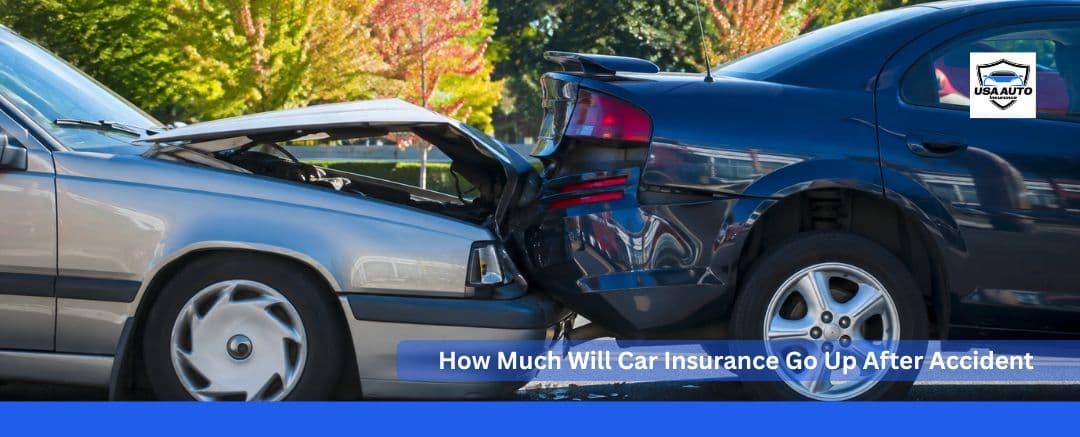
How Much Will Car Insurance Go Up After Accident
Car insurance usually goes up after an at-fault accident, but there isn't a standard increase that applies to every driver. While many drivers see their premiums rise after causing a crash, the exact amount depends on the circumstances of the accident and how their insurance company evaluates risk.
Does Being Married Lower Car Insurance?
Being married can lower car insurance rates, but it isn't guaranteed. In many states, insurance companies consider marital status when calculating premiums because married drivers have historically filed fewer claims than single drivers.
Why is Car Insurance So Expensive in Michigan?
If you compare the car insurance rate in Michigan with the national average, the average car insurance premium in Michigan is at least $70 more per year.

What Age Does Car Insurance Go Down?
Does car insurance ever decrease as you get older? The good news is, yes, car insurance does get cheaper with age. Typically, the youngest drivers pay the highest premiums, while older drivers, particularly adults from the age of 25

USA Auto Insurance
USA Auto is a licensed Managing General Agent (MGA) providing auto insurance policies underwritten by USA Underwriters Insurance Company.
Support
Copyright © USA Auto
Built by Neutrix | Powered by Neutrix Systems