August 3, 2026
Car Insurance Cost
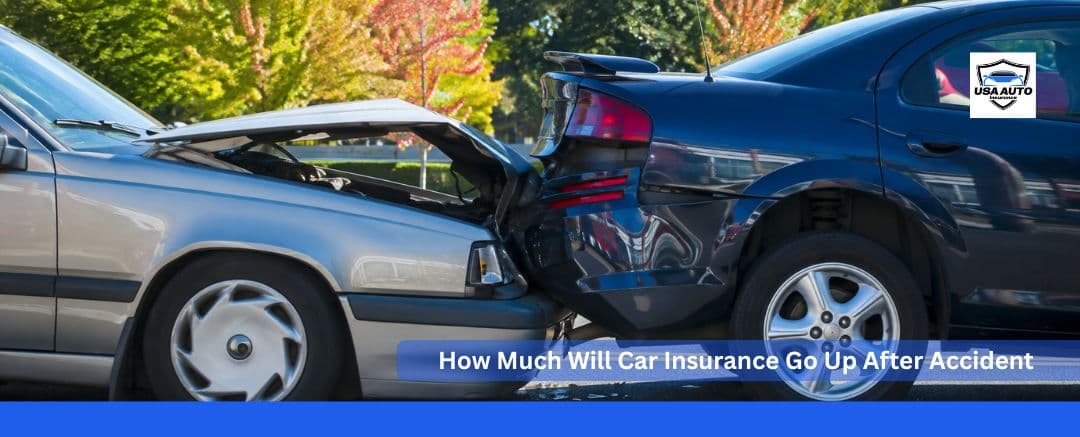
How Much Will Car Insurance Go Up After Accident
Car insurance usually goes up after an at-fault accident, but there isn't a standard increase that applies to every driver. While many drivers see their premiums rise after causing a crash, the exact amount depends on the circumstances of the accident and how their insurance company evaluates risk. Drivers involved in a not-at-fault accident may see little or no increase, although this can vary by insurer and state.
Insurance companies consider several factors when determining whether your premium will increase and by how much after an accident. These may include who was at fault, the severity of the damage, your driving history, previous claims, and whether your policy includes features such as accident forgiveness. Because every insurer uses its own rating guidelines, two drivers involved in similar accidents may receive different premium increases.
In this article, we'll explain how much car insurance may go up after an accident, what factors influence premium increases, how long higher rates typically last, and what you can do to help keep your insurance costs under control.
How Much Will Car Insurance Go Up After Accident in Michigan?
There isn't a standard increase that applies to every driver after an accident in Michigan. While statewide estimates provide a useful benchmark, the actual increase depends on the details of your claim and how your insurance company evaluates risk.
In general, drivers who are found at fault are more likely to see their premiums increase than those who aren't. However, the amount of the increase varies from one insurer to another and from one claim to the next.
According to the Michigan Department of Insurance and Financial Services (DIFS), Michigan's No-Fault auto insurance system requires drivers to carry Personal Injury Protection (PIP), which pays eligible medical expenses regardless of who caused the crash. However, the No-Fault system doesn't automatically prevent your premium from increasing after an accident. Insurers may still consider factors such as fault, claim costs, and your overall risk profile when determining your premium at renewal.
Michigan vs. Nationwide Cost Comparison
According to a Forbes Advisor analysis using data from Quadrant Information Services, Michigan drivers are estimated to see a 45% premium increase after an at-fault accident involving property damage and a 45% increase after an at-fault accident involving injuries. Nationwide, the estimated increases are 45% and 47%, respectively. The analysis also found that premium increases vary by state because insurance laws and insurer rating practices aren't the same across the country.
Estimated Premium Increase | Property Damage Accident | Accident With Injuries |
31% | Wyoming | Wyoming |
33% | Colorado | Colorado |
34% | Delaware | Delaware |
36% | Missouri, Washington | Missouri |
37% | Hawaii, Idaho, New Mexico | Hawaii, Idaho, New Mexico, Washington |
38% | Florida | — |
39% | North Dakota, South Carolina | Florida, North Dakota, South Carolina |
40% | Maine, New York | New York |
41% | Kansas, Montana, West Virginia | Kansas, Montana, West Virginia, Maine |
42% | New Jersey, Oregon, South Dakota | Minnesota, New Jersey, Oregon, South Dakota |
43% | Nevada | Alabama, Nevada, New Jersey, Oregon |
44% | Alabama, Oklahoma, Tennessee, Utah | Oklahoma, Utah |
45% | Michigan, Iowa, Ohio, Virginia | Michigan, Tennessee, Virginia |
46% | Alaska, Mississippi | — |
47% | Arizona, Arkansas, Georgia, Pennsylvania, Vermont | Arizona, Arkansas, Georgia, Iowa, Mississippi, Vermont |
48% | Indiana, Louisiana, Nebraska | Indiana, Louisiana, Nebraska |
49% | Illinois | Illinois |
50% | Wisconsin | Wisconsin |
51% | Connecticut | Pennsylvania |
52% | Maryland | Connecticut, Maryland |
53% | Kentucky | Alaska, Kentucky |
54% | Texas | Texas |
55% | New Hampshire, Rhode Island | New Hampshire |
67% | Massachusetts | Massachusetts |
72% | California | — |
79% | North Carolina | — |
90% | — | North Carolina |
97% | — | California |
As the table shows, estimated premium increases vary widely across the country. Michigan's estimated increase is close to the national estimate, but your actual premium may be higher or lower depending on your insurance company, the details of your claim, and your overall driving history.
What Factors Affect How Much Your Car Insurance Goes Up After an Accident?
Insurance companies don't base premium increases on accidents alone. Instead, they evaluate several factors to determine how likely you are to file another claim in the future. The more risk they believe you present, the higher your premium may be at renewal.
Here are the key factors that can influence how much your car insurance goes up after an accident.
Who Was at Fault?
Fault is usually the most important factor when determining whether your insurance premium will increase. If you're found at fault, your insurer may view you as a higher-risk driver because you were responsible for causing the accident. As a result, your premium is more likely to increase when your policy renews. The exact amount depends on the insurer's rating guidelines, the cost of the claim, and your overall driving record.
On the other hand, a not-at-fault accident may have little or no effect on your premium. Some insurers don't increase rates for drivers who weren't responsible for the crash, while others may still consider the claim when assessing future risk. This varies by insurance company and state regulations.
Here's a general comparison:
Accident Scenario | Likely Impact on Your Premium |
At-fault accident | Moderate to significant increase |
Not-at-fault accident | Little or no increase, depending on the insurer |
Shared fault | Possible increase based on your level of responsibility |
If you're unsure how fault was determined after an accident, review the claim decision with your insurance company before your policy renews.
The Severity of the Accident
A minor fender bender that results in a small repair bill is generally less expensive for an insurer than a crash involving serious injuries, multiple vehicles, or a total loss. Since larger claims represent a greater financial risk, they often lead to higher premium increases.
For example:
- A low-speed parking lot accident may result in only minor vehicle damage.
- A collision involving injuries, expensive repairs, or significant property damage may have a greater impact on your premium.
- Multiple claims from a single accident can also increase the insurer's total payout, which may influence your future rates.
Although every insurer evaluates claims differently, higher claim costs generally lead to larger rate adjustments.
Your Driving Record
Drivers with a long history of safe driving may receive a smaller increase than someone with previous accidents, traffic violations, or multiple insurance claims. Insurance companies look at your overall driving history to assess future risk, including how long you've maintained a clean record and whether you've demonstrated safe driving habits over time.
For example, a driver with ten years of accident-free driving may receive a smaller surcharge after a first accident than someone with multiple claims over the past few years.
Your Insurance Company's Rating Guidelines
No two insurance companies calculate premiums the same way. Each insurer develops its own underwriting and rating model to evaluate risk. While one company may apply a modest increase after an accident, another may charge significantly more for the same claim.
Insurance companies may weigh factors differently, including:
- The type of accident
- The total claim amount
- Your age and driving experience
- Your location
- The type of vehicle you drive
Because insurers evaluate risk differently, it's common for drivers to receive different quotes after an accident.
Whether You Have Accident Forgiveness
Some insurance companies offer accident forgiveness, which can help prevent your premium from increasing after your first qualifying at-fault accident. This feature isn't included in every policy. Depending on the insurer, it may be earned after maintaining a clean driving record for several years or purchased as an optional endorsement.
Even with accident forgiveness, there may be limitations. Some programs only apply to your first accident, while others exclude serious collisions or claims above a certain dollar amount. Eligibility also varies by insurance company and state.
Before assuming your premium won't increase, review your policy or ask your insurance provider whether accident forgiveness applies to your coverage. Although these factors can increase your premium, an accident doesn't automatically mean you'll pay more for car insurance.
Does Car Insurance Always Go Up After an Accident?
No, car insurance doesn't always go up after an accident. Whether your premium increases depends on factors such as who was at fault, the severity of the claim, your insurer's rating practices, and whether your policy includes accident forgiveness.
Here are some situations where your car insurance may not increase after an accident:
- You weren't at fault. Some insurers don't raise premiums for drivers who weren't responsible for the crash.
- You qualify for accident forgiveness. Your first eligible at-fault accident may not result in a higher premium.
- The claim was relatively small. Some insurers may not apply a surcharge for minor claims.
- Your insurer offers more lenient claim rating practices. Depending on the company, certain claims may have little or no impact on your premium.
Even so, it's important to remember that filing multiple claims over a short period may affect your rates, regardless of who was at fault. Insurance companies often look at your overall claims history when assessing future risk.
If your premium does increase after an accident, it doesn't necessarily mean you'll continue paying the higher rate forever. In many cases, insurers gradually reduce accident-related surcharges as long as you maintain a clean driving record and avoid additional claims.
How Long Does Car Insurance Stay Higher After an Accident?
An accident can affect your car insurance premium for several years, but the exact timeframe depends on your insurance company and state regulations. For many drivers, an at-fault accident remains a rating factor for three to five years. During that time, your insurer may apply a surcharge when your policy renews. If you avoid additional accidents or traffic violations, that surcharge may gradually decrease before eventually dropping off your record.
Here's a general timeline:
Time After an Accident | What You Can Expect |
First renewal | Premium may increase if a surcharge applies. |
Years 1–3 | Higher rates may continue depending on your insurer. |
Years 3–5 | Many insurers stop considering the accident, although this varies by company. |
The length of time an accident affects your premium may also depend on:
- Your insurance company's surcharge period
- State insurance regulations
- Whether you've had additional claims or traffic violations since the accident
- How long you've maintained a clean driving record afterward
Maintaining a clean driving record during this period can help improve your insurance profile over time. Some insurers also restore safe driver discounts after you've remained claim-free for several years.
Although you can't remove an accident from your insurance history immediately, reviewing your coverage before renewal may help you identify opportunities to reduce your insurance costs over time.
How Can You Lower Your Car Insurance After an Accident?
A higher premium after an accident doesn't necessarily mean you're stuck paying more forever. While you can't erase an accident from your driving record, there are several ways to reduce your insurance costs over time.
Compare Quotes from Different Insurance Companies
Because insurers use different pricing models, shopping around after an accident can help you find a better rate. Even if your current insurer raises your premium, another company may offer similar coverage at a lower cost.
Comparing quotes before renewing your policy can help you find coverage that better fits your budget without sacrificing the protection you need.
Working with an independent insurance agency like USA Auto can simplify the process. Instead of contacting multiple insurance companies on your own, you can compare coverage options from multiple trusted insurance carriers in one place.
Ask About Available Discounts
Even after an accident, you may still qualify for discounts that help offset a premium increase.
Depending on the insurance company, you may be eligible for savings such as:
- Multi-policy discounts
- Multi-vehicle discounts
- Good student discounts
- Paperless billing discounts
- Automatic payment discounts
- Telematics or Safe Driving Program Discounts
Not every insurer offers the same discounts, so it's worth reviewing your policy to see whether you're missing potential savings.
Increase Your Deductible If It Fits Your Budget
Raising your deductible is another way to lower your monthly or annual premium. A higher deductible means you'll pay more out of pocket if you file a future claim, but your insurance company may charge a lower premium in return.
Before making this change, consider your financial situation. Choose a deductible that you could comfortably afford if another covered accident or loss occurs.
Maintain a Clean Driving Record Going Forward
One of the best ways to reduce your insurance costs over time is to avoid additional accidents and traffic violations. Many insurers gradually reduce accident-related surcharges if you remain claim-free for several years.
Safe driving may also help you qualify for lower rates, restore lost discounts, or become eligible for accident forgiveness programs in the future. While it takes time, consistently practicing safe driving habits can improve your insurance profile and make it easier to find better rates when it's time to renew or switch policies.
The Bottom Line: Understand What Affects Your Rate Increase
A rate increase after an accident doesn't have to define your long-term insurance costs. Understanding what affects your premium can help you make informed decisions, compare your options, and choose coverage that fits your needs moving forward.
If you're looking for coverage that fits your needs and budget, USA Auto can help you compare auto insurance options from trusted carriers. Connect with a local USA Auto agent to discuss your options and choose coverage that works for your situation.
Frequently Asked Questions (FAQs)
How much does car insurance go up after an at-fault accident?
Industry studies suggest drivers may see average premium increases of around 40% to 50% after an at-fault accident. However, the actual increase depends on factors such as your insurance company, driving history, claim severity, and where you live.
Does insurance go up after a not-at-fault accident?
Possibly. Many insurance companies don't raise premiums after a not-at-fault accident, but some may still consider your claims history and overall risk when determining future rates.
Will my insurance company cancel my policy after an accident?
Not usually. Most insurance companies won't cancel your policy after a single accident, especially if it's your first claim. However, repeated at-fault accidents or serious driving violations may increase the risk of non-renewal.
Can multiple accidents affect my ability to get affordable coverage?
Yes. Multiple at-fault accidents within a short period can make you appear riskier to insurance companies, which may lead to higher premiums or fewer coverage options. Maintaining a clean driving record after an accident can help improve your insurance profile over time and may make it easier to qualify for more competitive rates.
Tag :
auto insurance
Latest Blog

What City in Michigan Has the Cheapest Auto Insurance?
If you're looking for the city with the cheapest auto insurance in Michigan, Portage currently ranks as the lowest-cost city in a recent minimum-coverage comparison.

Is Car Insurance Tax Deductible?
The short answer is it depends. For most drivers, personal car insurance premiums are not tax deductible. However, some drivers may qualify to deduct part of their auto insurance costs depending on how they use their vehicle and their tax situation.

Are Older Cars Cheaper to Insure?
Older cars are often cheaper to insure than newer models, but car insurance costs aren't determined by a vehicle's age alone. While age plays an important role, it isn't the only factor insurance companies consider when calculating your premium.

Does Being Married Lower Car Insurance?
Being married can lower car insurance rates, but it isn't guaranteed. In many states, insurance companies consider marital status when calculating premiums because married drivers have historically filed fewer claims than single drivers.
Why is Car Insurance So Expensive in Michigan?
If you compare the car insurance rate in Michigan with the national average, the average car insurance premium in Michigan is at least $70 more per year.

What Age Does Car Insurance Go Down?
Does car insurance ever decrease as you get older? The good news is, yes, car insurance does get cheaper with age. Typically, the youngest drivers pay the highest premiums, while older drivers, particularly adults from the age of 25

USA Auto Insurance
USA Auto is a licensed Managing General Agent (MGA) providing auto insurance policies underwritten by USA Underwriters Insurance Company.
Support
Copyright © USA Auto
Built by Neutrix | Powered by Neutrix Systems