
February 9, 2026
Auto Insurance
What to Do If You Can Not Afford Car Insurance
If you’re thinking you can’t afford car insurance, you’re not alone. Car insurance costs have gone up across the country, and for many drivers, the monthly payment now feels heavier than it should. When your budget is already tight, even a small increase can throw everything off.
Still, this moment matters. The choices you make now can either protect you or create bigger problems later. Because states require minimum coverage, skipping it or making rushed decisions can lead to fines, higher insurance rates, or worse after an accident.
The good news is this. You still have options. Some steps can lower your car insurance premiums right away. Others help you stay insured while you get back on your feet. What matters most is knowing which moves help and which ones quietly hurt you in the long term.
14 Things to Do If You Can’t Afford Car Insurance
When car insurance costs feel out of reach, panic often leads to the wrong move. Instead, pause for a moment. There are practical ways to stay insured, lower your price, and protect yourself from bigger financial damage. The key is acting early and choosing steps that help you now without hurting you later.
Below are the most effective actions you can take if you can’t afford car insurance. You don’t need to do all of them. Often, just two or three can make a real difference.
- Contact your insurance company immediately
- Adjust your payment due date
- Ask about payment plans or low down payment options
- Shop around and compare car insurance quotes
- Reduce coverage strategically, not emotionally
- Increase your deductible if you can afford the risk
- Remove optional add-ons you no longer need
- Use telematics or low-mileage programs if you drive less
- Change your vehicle if insurance is unaffordable
- Keep at least the state-required minimum coverage active
- Ask about car insurance discounts you’re not using
- Consider temporary alternative transportation
- Look into state assistance or special insurance programs
- Look into reinstatement if your policy already lapsed
Let’s break down each of these so that you can understand more clearly.
1. Contact your insurance company immediately
This should be your first move if you can’t afford car insurance. Waiting makes things worse. Calling early often gives you options you lose once a payment is missed.
Most car insurance companies offer grace periods, usually 10 to 30 days. During that time, your insurance policy often stays active. However, this only works if you communicate. Silence is what triggers cancellation.
When you call, explain your situation clearly. Ask about hardship options. Some insurers can delay a bill, split a payment, or temporarily adjust terms to help you pay car insurance on time. In some cases, they may waive a fee or help you adjust your payment due date.
This step alone can prevent a lapse, higher insurance rates, and the risk of driving uninsured. It also protects you from long-term damage that’s much harder to fix later.
2. Adjust your payment due date
If timing is the problem, this step can help speed things up. Many drivers can afford their car insurance premiums, but not on the date they’re due. When bills hit before your paycheck, even an affordable price can feel impossible.
Ask your insurer if you can adjust your payment due date. Some car insurance companies allow you to move it closer to when you get paid. As a result, you reduce late payments and avoid accidental policy lapses. This is especially helpful if your income is steady but uneven.
This change does not lower your insurance costs directly. However, it helps you stay insured and avoid late fees, reinstatement charges, or higher insurance rates later. Over time, that consistency can make a real difference.
3. Ask about payment plans or low down payment options
If paying the full amount upfront is the problem, ask about flexible payment options. Many car insurance companies offer monthly plans that spread out the cost instead of requiring a large lump sum.
While monthly payments may include a small fee, they often make car insurance premiums easier to manage. In some cases, insurers also offer low or reduced down payment options, which can help you keep coverage active when cash is tight.
4. Shop around and compare car insurance quotes
If you haven’t compared rates recently, you could be overpaying. Insurance rates vary widely between car insurance companies, even for the same driver and the same vehicle. Loyalty does not guarantee a better price.
Get multiple car insurance quotes and compare the same level of coverage car insurance, not just the monthly cost. This helps you see real differences instead of confusing numbers. In some cases, switching insurers can potentially save you hundreds a year.
Do this before you miss a payment. Once a policy lapses, your auto insurance rates often go up, and your options shrink.
5. Reduce coverage strategically, not emotionally
When money is tight, it’s tempting to cut car insurance coverage fast. However, not every reduction is safe. The goal is to lower car insurance costs without exposing you to serious risk after an accident.
Start by reviewing your insurance policy. If you drive an older vehicle that’s paid off, dropping collision or comprehensive coverage may make sense. Those coverages only pay up to the car’s value, minus your deductible. In contrast, liability insurance is usually legally required because it helps cover damages, medical bills, and personal injury you cause to others.
So, avoid guessing. Reducing the wrong coverage can cost far more than it saves. A careful review can help you lower your insurance costs.
6. Increase your deductible if you can afford the risk
Raising your deductible is one of the fastest ways to lower car insurance premiums. Because you agree to pay more out of pocket after an accident, insurers usually reduce your insurance rate in return.
This option only works if you’re prepared. If you increase your deductible but don’t have savings for an emergency, the risk shifts back to you. A repair bill or medical expenses could then create new financial stress.
Before making this change, look at your budget and be realistic. If you can handle the higher out-of-pocket cost, this move can help you lower your car insurance without losing essential coverage.
7. Remove optional add-ons you no longer need
Optional add-ons can quietly raise car insurance costs. When money is tight, it’s smart to review them closely. Many drivers pay for extras they rarely use.
Common add-ons include roadside assistance, rental reimbursement, glass coverage, and similar features. While helpful, they are not required by law and often increase your car insurance premiums more than you expect.
Removing these extras won’t affect your required insurance policy protections. Instead, it can cut your car insurance costs.
8. Use Telematics or Low Mileage Programs If You Drive Less
If you don’t drive much, your insurance bill may not reflect your real risk. Many car insurance companies offer telematics or low-mileage programs that price coverage based on how often and how safely you drive.
These telematics or Usage-Based Insurance (UBI) programs track mileage or driving behavior through a mobile app or device. If you’re a safe driver, work from home, or rely on public transit part of the week, this setup can better match your insurance rate to your actual use.
That said, it’s not for everyone. If you drive long distances or dislike monitoring, a standard policy may be better. Still, for low-use drivers, this option can make insurance feel fair instead of fixed.
Learn more about low-mileage auto insurance discounts.
9. Change your vehicle if insurance is unaffordable
Sometimes the issue isn’t your driving. It’s the vehicle itself. Insurance prices are tied closely to repair costs, theft risk, and safety ratings. As a result, some cars cost far more to insure than others.
Newer models, luxury vehicles, or cars with expensive parts often carry higher insurance rates. In contrast, older, reliable cars with lower replacement values usually cost less to insure. If your current car is stretching your budget, changing vehicles may bring financial relief.
This isn’t always an easy decision. Still, for some drivers, driving a simpler car makes insurance manageable again without sacrificing legal protection.
10. Keep At Least the State-Required Minimum Coverage Active
States require drivers to carry a minimum level of auto insurance to legally operate a vehicle. Letting coverage drop below that line can trigger fines, license suspension, and long-term problems with insurance rates.
Minimum coverage usually includes liability insurance, which helps pay for damages, injury, and medical bills you cause to others in an accident. It does not protect your own car. However, it does keep you legal and financially exposed only to a defined limit.
If you must scale back, keeping the state-required minimum active is safer than driving uninsured. It protects your record and buys you time to rebuild fuller coverage later.
11. Ask About Discounts You’re Not Using
Many drivers qualify for car insurance discounts without realizing it. Insurers rarely apply every discount automatically, so asking can make a difference.
Start with common ones. A safe driver record, paperless billing, automatic payments, or bundling with home insurance or life insurance often reduce what you pay. Some companies also offer discounts, including defensive driving discounts, safe driver discounts, and good student discounts, and so on, based on your vehicle, mileage, or driving habits.
This step works best when combined with others. On its own, a discount may seem small. Together, several can noticeably ease your monthly expenses without changing your coverage.
12. Consider temporary alternative transportation
If car insurance is putting too much strain on your budget, consider switching to temporary alternatives. Public transportation, carpooling, or even biking can be viable options in the short term. Not only do these options help save money, but they also allow you to maintain your insurance policy active without the pressure of mounting premiums.
For those in areas with reliable transit systems, this could be a smart move. Just remember: when using these alternatives, keep your car parked legally and safely to avoid any fines or issues with your insurance. This might seem like a small adjustment, but it can provide significant relief until you’re able to afford your car insurance again.
13. Look into state assistance or special insurance programs
If you're finding it difficult to afford car insurance, several states offer assistance programs that could help you stay insured at a more affordable rate. These programs are often designed for low-income drivers or those facing specific challenges. Here are some examples:
- California’s Low-Cost Automobile Insurance Program (CLCA): Provides affordable coverage for qualifying low-income drivers. It offers a liability-only policy with limited coverage (10/20/3 limits). To qualify, your income must be within 250% of the federal poverty level.
- New Jersey’s Special Automobile Insurance Policy (SAIP): Often called "dollar-a-day insurance," this program provides medical coverage for low-income drivers. It costs only about $365 annually, offering up to $250,000 in medical benefits. However, it doesn't cover liability or vehicle damage, making it a last-resort option for catastrophic accidents.
- Hawaii’s Aid to the Aged, Blind, and Disabled Program (AABD): Available to seniors and individuals who meet the Social Security Administration’s criteria for disability or blindness. This program provides free auto insurance for eligible individuals.
- Maryland’s Maryland Auto Insurance Program: A state-run program providing affordable liability insurance to high-risk drivers who can’t get coverage from private insurers. It’s available to those rejected by at least two private insurers.
- Michigan: Michigan does not have a low-cost insurance program like those in California or New Jersey, but you may be eligible for Michigan’s Assigned Risk Plan (for high-risk drivers unable to get coverage elsewhere). This program offers limited coverage at higher rates.
These programs are intended to prevent drivers from going uninsured, which can lead to hefty fines, legal issues, and financial hardship. Check with your state’s insurance department to see if you're eligible for any of these programs or similar options in your area.
14. Look Into Reinstatement If Your Policy Already Lapsed
If your car insurance policy has already lapsed, don’t assume you need to start over. Many car insurance companies allow reinstatement within a short window, often 10 to 30 days. This can be one of the least damaging ways to get back on track.
Reinstatement usually means paying the missed payment plus a fee. In return, you may keep your prior coverage, avoid a permanent lapse on your record, and limit future insurance rate increases. That matters because gaps often raise auto insurance rates for years.
Act quickly. During a lapse, you’re exposed to serious risk, and any accident won’t be covered. Call your insurer right away and ask about reinstatement options before shopping for a new policy.
Things NOT to Do If You Can’t Pay Your Car Insurance
When money gets tight, the wrong move can cost you far more than the price of insurance itself. These mistakes are common. They also create long-term damage that’s hard to undo. Before you act, here’s what you should avoid.
Do Not Cancel Your Auto Insurance Policy Without a Plan
Canceling feels like quick relief. In reality, it often backfires. A canceled car insurance policy creates a coverage lapse, which signals a higher risk to insurers. As a result, your future insurance rates usually go up.
If your car is financed or under a loan or lease, cancellation can also violate the contract. That may trigger force-placed insurance, which costs more and protects only the lender. Always explore adjustments before canceling outright.
Do Not Drive Without Insurance
Driving uninsured is illegal in most states. More importantly, it exposes you to massive financial harm. One accident can leave you responsible for medical bills, personal injury, and property damages out of pocket.
Even a minor crash can turn into a lawsuit. The risk far outweighs any short-term savings. If you can’t afford coverage, it’s safer not to drive at all.
Do Not Ignore Grace Periods or Payment Notices
Most insurers offer grace periods, often 10 to 30 days. During that time, your coverage may still be active. However, this only helps if you respond. Ignoring notices leads to cancellation. Once that happens, fees, reinstatement costs, and higher insurance rates often follow. A simple phone call can prevent this chain reaction.
Do Not Drop Required Coverage on a Financed or Leased Vehicle
If your car is financed or leased, certain coverages are mandatory. Dropping collision or comprehensive may save money now, but it breaks your agreement.
Lenders protect their assets first. That’s why force-placed insurance is expensive and limited. Before changing coverage, confirm what your contract actually requires.
Do Not Reduce Coverage Without Understanding Liability Risk
Minimum coverage keeps you legal. It does not always keep you safe. Liability insurance limits may fall short after a serious injury or multi-car crash.
Reducing coverage without understanding exposure can shift financial responsibility back to you. Always balance short-term relief with realistic accident risk.
Do Not Choose a Deductible You Can’t Actually Pay
A higher deductible lowers your monthly bill. However, it also increases what you owe after a claim. If you don’t have savings, that gap becomes a problem fast.
An insurance plan only works if you can use it in an emergency. Otherwise, you’re insured on paper but unprotected in real life.
Do Not Assume Your Current Insurer Is the Cheapest
Many drivers overpay simply because they stay put. Car insurance companies price risk differently, and rates vary widely. Failing to compare options means you may miss more affordable coverage that fits your situation better. Loyalty rarely guarantees savings.
Do Not Let a Policy Lapse Without Exploring Reinstatement
A lapse follows you longer than most people expect. It often leads to higher auto insurance rates and fewer carrier options. If you act quickly, reinstatement may still be possible. That’s usually less damaging than starting fresh after a long gap.
Do Not Rely on State Assistance Programs That Don’t Exist
Only a few states offer true low-income auto insurance programs. Many do not. Michigan, for example, has very limited options. Assuming help exists can delay real solutions. Always confirm what’s actually available in your state before counting on it.
Do Not Treat This as a Short-Term Problem Only
Insurance decisions compound over time. Today’s lapse, cancellation, or unpaid expense can raise costs for years. Think beyond this month. Protecting continuous coverage helps stabilize your personal financial picture and keeps future options open.
What to Do If You Truly Cannot Pay Anything Right Now
If you’re at zero, the safest move is also the simplest. Do not drive. In Michigan and most states, driving uninsured or trying to drive without insurance can trigger fines, license action, and even vehicle and plate issues. More importantly, one crash can stick you with medical bills, damages, and a potential lawsuit that follows you for years.
So instead of forcing it, shift into “damage control” mode. Your goal is to protect your future insurability and get back to legal driving without digging a deeper hole.
When not driving is the least risky option
If you cannot make the next payment, parking the car and not using it is often the smartest short-term choice. That single decision reduces legal risk and keeps you from turning a money problem into a life problem.
Use alternative transportation without hurting your future
Use options that let you pause driving, not your life:
- public transit when it’s available
- carpooling with a coworker or family member
- rideshare for essentials only
- biking or walking for short trips
- This keeps you off the road legally until you can stabilize.
Consider non-owner insurance as a bridge strategy
If you won’t be driving your own car but still need to drive occasionally, ask about a non-owner policy. It is usually a liability insurance policy for drivers who do not own a car. It can also help you avoid a lapse in coverage history, which matters for your next insurance rate.
Park your car legally and safely
If you truly cannot insure the car right now, keep it parked and off the road. Also, check what your state requires for registration and plates. In Michigan, the Secretary of State notes that vehicles must have Michigan No-Fault insurance for registration and renewal, and a lack of proof can lead to penalties like plate cancellation and impoundment.
If you’re unsure, call your insurer and your local Secretary of State office before you cancel anything.
Why “just one drive” is the most expensive mistake
Most people get burned by the same thought: “I’ll drive carefully, just this once.” The problem is that you cannot control the other driver, road conditions, or bad luck. One accident can create bills you cannot budget your way out of, especially without coverage. That is why every resource repeats the same warning: do not drive uninsured.
The Bottom Line
If you can’t afford car insurance, don’t panic and don’t disappear. The safest answer is this: stay insured if you can, even at minimum coverage, and avoid driving uninsured at all costs. Act early. Call your insurer. Adjust timing, payments, or coverage before a lapse happens. If you truly can’t pay anything, don’t drive and use temporary alternatives until you stabilize. The right short-term choices protect your record, your finances, and your future insurance options.
FAQs: Can’t Afford Car Insurance
What happens if you don’t have enough money to pay your car insurance?
If you miss a payment, most insurers offer short grace periods. If you still don’t pay, your car insurance policy can be cancelled. That creates a lapse, raises future insurance rates, and leaves you at risk of fines or license issues if you drive. Call your insurer immediately to ask about extensions, payment plans, or reinstatement.
What should you do if car insurance is too expensive?
Act early. Compare car insurance quotes, ask about discounts, adjust your payment date, and remove non-essential add-ons. If needed, raise your deductible responsibly, switch to minimum required liability insurance, or use telematics if you drive less. If you truly can’t pay right now, don’t drive and use temporary alternatives until you stabilize.
Tag :
auto insurance
Latest Blog
What City in Michigan Has the Cheapest Auto Insurance?
If you're looking for the city with the cheapest auto insurance in Michigan, Portage currently ranks as the lowest-cost city in a recent minimum-coverage comparison.
Is Car Insurance Tax Deductible?
The short answer is it depends. For most drivers, personal car insurance premiums are not tax deductible. However, some drivers may qualify to deduct part of their auto insurance costs depending on how they use their vehicle and their tax situation.
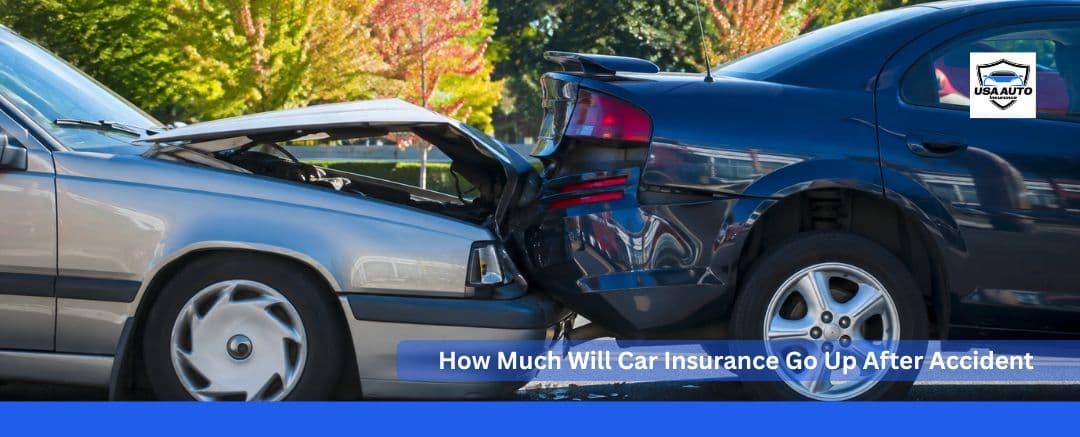
How Much Will Car Insurance Go Up After Accident
Car insurance usually goes up after an at-fault accident, but there isn't a standard increase that applies to every driver. While many drivers see their premiums rise after causing a crash, the exact amount depends on the circumstances of the accident and how their insurance company evaluates risk.

Are Older Cars Cheaper to Insure?
Older cars are often cheaper to insure than newer models, but car insurance costs aren't determined by a vehicle's age alone. While age plays an important role, it isn't the only factor insurance companies consider when calculating your premium.

Does Being Married Lower Car Insurance?
Being married can lower car insurance rates, but it isn't guaranteed. In many states, insurance companies consider marital status when calculating premiums because married drivers have historically filed fewer claims than single drivers.
Why is Car Insurance So Expensive in Michigan?
If you compare the car insurance rate in Michigan with the national average, the average car insurance premium in Michigan is at least $70 more per year.

USA Auto Insurance
USA Auto is a licensed Managing General Agent (MGA) providing auto insurance policies underwritten by USA Underwriters Insurance Company.
Support
Copyright © USA Auto
Built by Neutrix | Powered by Neutrix Systems