January 1, 2026
Car Insurance Requirements
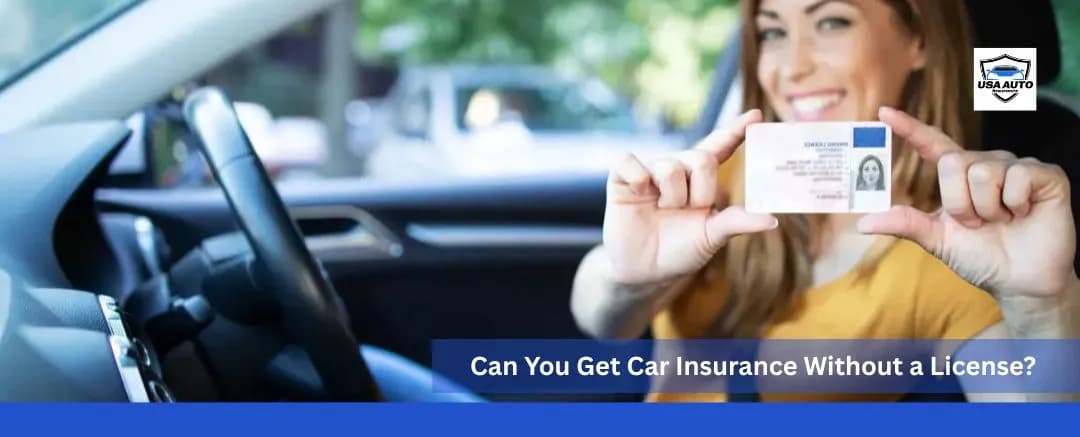
Can You Get Car Insurance Without a License?
If you’re wondering whether it’s possible to get car insurance without a license, well, yes, it is. However, it isn’t easy, nor cheap, as most insurers prefer to provide car insurance to drivers with a valid license.
The good news is that there are insurance providers that offer non-standard auto insurance even without a license, only under certain qualifying conditions. So, if you need to obtain car insurance without a license, it’s essential to understand these conditions to determine whether you’re eligible.
This guide explains when you can qualify for car insurance without a license, the options available to you, and the steps you can take to secure coverage, along with important legal considerations based on general car insurance requirements.
Do You Need Car Insurance Without a Driver’s License?
Both car insurance and a driver’s license are legally required to drive a car in the U.S. While New Hampshire is the only state where you can skip the mandatory auto insurance requirements as long as you have proof of financial security, like a bond, or a fixed deposit containing adequate or at least the minimum liability coverage amount.
Although, car insurance is legally required to drive and register a car in 49 out of 50 states in the U.S., a driver’s license is only required to legally drive a car. So, this means, you can own and register a car even without a driver’s license, but not without having the required minimum car insurance coverage in your state.
Now, if you’re thinking, why do many insurers ask for a driver’s license? Is it a legal requirement to purchase car insurance? The straightforward answer is a clear no. Typically, many insurers ask for a license due to two main reasons.
- A valid driver’s license indicates that you are legally permitted to drive, which generally signals lower risk
- Insurers can access and analyze your driving records through the DMV database to determine whether you’re a safe driver or a high-risk driver
Moreover, if your driving license has been suspended or revoked, this raises a serious concern of at-fault insurance claims, liability compensations, and legal penalties in the near future, all of which are key metrics for classifying a high-risk driver.
In contrast, you don’t legally need a driver’s license to buy car insurance, but insurers use license information to review driving history and calculate premiums. Without access to those records, insurers typically charge higher rates, which generally makes coverage more expensive without a license.
If you’re struggling to secure coverage without a license, working with an experienced insurance provider that offers affordable non-standard auto insurance can make the process significantly easier.
When Can You Get Car Insurance Without a License?
Although a valid driver’s license is a key requirement to get auto insurance, there are exceptional conditions under which you can purchase car insurance even without a license. Here’s a detailed breakdown of these qualifying conditions when you can get car insurance without a license.
You Have Recently Obtained a Learner’s Permit
A learner’s permit is the first step, and typically a qualifying process to obtain a driver's license. So, if you have a learner’s permit, you’re eligible to obtain car insurance.
In fact, many insurers provide specialized auto insurance policies for drivers with a learner’s permit, even though it may cost you a significantly higher amount depending on your age, overall driving experience, and higher perceived risks.
Additionally, if you’re under 18, many insurers provide the option to acquire car insurance, usually by adding you to an existing policy or issuing coverage that lists a licensed driver as the primary driver.
Someone Else Drives Your Car
If you own a vehicle, you are responsible for maintaining active car insurance, even if you do not drive it yourself. When someone else regularly drives your car such as a spouse, child, caregiver, friend, or hired chauffeur, you can still obtain coverage by listing that person as the primary driver on the policy.
In many cases, insurers may require you to be excluded as a driver if you do not hold a valid license. Premiums are then based on the listed driver’s age, driving history, vehicle usage, and coverage limits rather than the vehicle owner.
You Have Bought the Car as a Gift for Someone Under 18
You don’t need a driver’s license to purchase a car as a gift for your child who is 16 or 17 years old. In most cases, minors cannot purchase their own auto insurance policy, which means the parent or legal guardian must obtain coverage and list the child as the primary driver.
When buying a vehicle for a minor with no intention of driving it yourself, the car is typically registered and insured in the parent’s name. Many insurers also require the parent to be excluded as a driver if they do not hold a valid license, while premiums are based on the minor’s age, driving experience, and risk profile.
Your License Gets Suspended or Revoked
Here’s where it gets complex to purchase car insurance without a driver’s license, especially when it gets suspended or revoked due to serious traffic violations and repeat offenses.
In many cases, the state or court may require you to file an SR-22 or FR-44 certificate, which verifies that you carry at least the state’s minimum required liability insurance. These filings are commonly required after violations such as DUI, reckless driving, or driving without insurance.
SR-22 and FR-44 certificates are usually issued through insurers that specialize in non-standard auto insurance for high-risk drivers, often at higher premium rates. Most states use the SR-22 filing, while Florida and Virginia require an FR-44, which carries higher liability limits.
You’re Unable to Drive due to Health Reasons
If you’re unable to drive due to a medical condition but still own a vehicle registered in your name, you can obtain car insurance without holding a driver’s license. Maintaining coverage is often necessary to keep the vehicle registered and financially protected.
Even when the car is not being driven, risks such as theft, fire damage, vandalism, and certain natural disasters can still occur. Carrying insurance helps protect against these non-driving losses.
It also helps prevent coverage lapses, which can lead to significantly higher premiums when you decide to insure or drive the vehicle again in the future.
You Keep the Car Parked All the Time
If your car is kept parked or stored and not driven on public roads, you can still purchase car insurance without holding a driver’s license. In these situations, insurers may allow coverage even when the vehicle is not actively in use.
This commonly applies if you are temporarily taking a break from driving, dealing with seasonal conditions such as severe winter weather or flooding, or storing the vehicle for an extended period.
Many insurers offer limited or parked car insurance that helps protect against non-driving risks such as theft, vandalism, fire damage, and certain weather-related losses.
You Own a Vintage Car that You Don’t Drive
Vintage cars, classic cars, and luxury cars are often purchased as valued collectibles. In fact, there are special non-standard auto insurance policies, like classic car insurance, to financially cover these high-value cars.
If you own a vintage or luxury car that remains stored in a garage or secured parking facility, you can obtain classic car insurance without holding a driver’s license. These policies typically focus on comprehensive coverage to protect against risks such as theft, fire damage, vandalism, and other unexpected non-driving losses.
You’re New in the US
If you’re new to the United States and visiting from another country, you may be able to purchase car insurance using a valid foreign driver’s license. Some insurers also accept an International Driving Permit (IDP) when it is presented together with a foreign license, depending on state laws and insurer requirements. If you become a long-term resident, driver’s license requirements typically depend on the state where you live rather than a fixed timeframe. In many cases, insurers may require a U.S. driver’s license once you establish residency. Even then, some insurance providers may allow you to purchase coverage while your U.S. license application is in progress or pending approval.
How to Get Car Insurance Without a License?
Although getting car insurance without a license isn’t as easy and smooth, there are a few different ways you can get car insurance without a license. Whether you’re on a learner’s permit, you couldn’t renew your license on time, or it has been suspended or revoked due to legal penalties, the good news is it's still possible by choosing the right options.
Assign Someone Else as the Primary Driver
If you don’t have a valid driver’s license, one common option is to list another licensed individual as the primary driver on your car insurance policy. This may include a spouse, family member, caregiver, or household member who regularly uses the vehicle.
In these cases, insurers base premiums on the primary driver’s driving history, age, and risk profile. You may also be required to exclude yourself as a listed driver to maintain coverage while reducing underwriting risk.
Exclude Yourself as a Driver on the Policy
When another licensed individual is listed as the primary driver, insurers often require you to exclude yourself as a driver on the policy. This exclusion confirms that you will not operate the vehicle and allow coverage to remain active without a valid driver’s license.
By excluding yourself, insurers can accurately assess risk based on the listed driver’s record rather than the vehicle owner, making it easier to secure coverage without holding a license.
Find an Insurer That Files an SR-22 or FR-44 (If Required)
If your license has been suspended or revoked, you may be required by the state or court to file an SR-22 or FR-44 form. In these situations, you will need to work with an insurer that offers coverage for high-risk drivers and can file the required certificate on your behalf.
SR-22 and FR-44 filings are not insurance policies themselves but are proof that you carry at least the state’s minimum required liability coverage. Most states use the SR-22 filing, while FR-44 is required in Florida and Virginia and typically carries higher liability limits. Insurers that provide these filings usually specialize in non-standard auto insurance, and premiums are often higher due to increased risk.
Consider Getting Parked Car Insurance
If you do not drive your vehicle and keep it parked or stored, parked car insurance can be a practical option. This type of coverage allows you to insure the vehicle without holding a valid driver’s license, as it does not require active driving. Parked car insurance typically focuses on comprehensive coverage, protecting against risks such as theft, vandalism, fire damage, and certain weather-related losses. It also helps maintain continuous insurance coverage to avoid significant increases in your premiums due to policy lapses.
Is it Legal to Get Car Insurance Without a License in a No-Fault State Like Michigan?
Michigan does not legally require a driver’s license to purchase car insurance. If an insurance company requests driver’s license information, it is an underwriting requirement set by the insurer, not a mandate under Michigan law.
Under Michigan’s no-fault auto insurance system, car insurance is required to register and legally operate a vehicle on public roads. So, even if you do not hold a valid driver’s license, you can still obtain car insurance in Michigan to meet registration requirements or maintain coverage on a vehicle you own.
Potential Consequences of Getting Car Insurance Without a License
Even though it’s possible to get car insurance without a license, it is always recommended as a last resort when you have no other option. If you don’t have a driver’s license, insurers won’t be able to verify your driving profile.
So, even if you’re a skilled and responsible driver, there’s a high chance that you will have to pay a significantly higher premium, as your driver’s license itself is legitimate, and trustworthy evidence.
Plus, you may even have trouble finding an insurer, and even if you do, you may have limited coverage options especially, if you’re classified as a high-risk insurer for not having a license, or due to prior traffic violations leading to license suspension or revocation.
The Bottom Line: Is it Worth Getting Car Insurance Without a License?
Staying insured is essential for meeting your state’s auto insurance requirements and protecting yourself financially against accidents and unexpected losses. While a driver’s license is required to legally operate a vehicle, car insurance is generally required to register a vehicle and drive it on public roads.
If you don’t currently have a driver’s license, obtaining one may still be possible by completing the required application and licensing steps in your state. In the meantime, maintaining active car insurance can help you stay compliant, protect your vehicle, and avoid coverage lapses that often lead to significantly higher premiums.
When weighing the pros and cons, the financial and legal risks of remaining uninsured typically outweigh the challenges of securing coverage without a license. Maintaining insurance even temporarily can provide stability while you work toward becoming fully licensed.
If you’re having difficulty securing auto insurance without a license, you can contact us to request a free quote. We can help you explore personalized non-standard auto insurance options to keep you protected while you complete the licensing process.
Frequently Asked Questions (FAQs)
Can you buy car insurance without a driver’s license?
Yes, it’s possible to buy car insurance without a driver’s license, but your options may be limited, and you may need to pay significantly higher premiums depending on your insurer’s terms and conditions and specific situations.
Is a driver’s license legally required to purchase car insurance?
No, a driver’s license is not legally required to purchase car insurance, but insurers may request one for underwriting purposes.
Why is car insurance more expensive without a license?
Without a license, insurers cannot fully verify driving history, which increases perceived risk and often leads to higher premiums.
Can a suspended or revoked driver get car insurance?
Yes, but coverage is usually issued through non-standard insurers and may require an SR-22 or FR-44 filing, depending on the violation and state.
Can you get car insurance with a learner’s permit?
Yes, many insurers offer coverage to drivers with a learner’s permit, often by adding them to an existing policy or listing a licensed individual as the primary driver.
Can you insure a parked or stored car without a license?
Yes, parked or storage-only car insurance is available and typically covers non-driving risks such as theft, fire, and vandalism.
Tag :
auto insurance
Latest Blog
Do Out-of-State Residents in Michigan Need Auto Insurance?
Yes, out-of-state residents may need Michigan auto insurance, depending on how long they operate their vehicle in the state.

What Do I Need to Get Car Insurance?
Getting car insurance requires personal, vehicle, financial, and insurance information. You may need your driver’s license, vehicle registration, VIN, driving history, and previous insurance details. Supporting documents, such as proof of safe driving, low mileage, or safety features, may also help you qualify for discounts. Before applying, determine the coverage and limits you need, compare quotes, submit the required documents, make your initial payment, and review your policy. Having accurate information ready can help prevent delays and make the application process easier.
Do You Need Insurance to Buy a Car?
If you’re thinking of purchasing a car any time soon, it’s also necessary to determine whether you need car insurance to buy one.
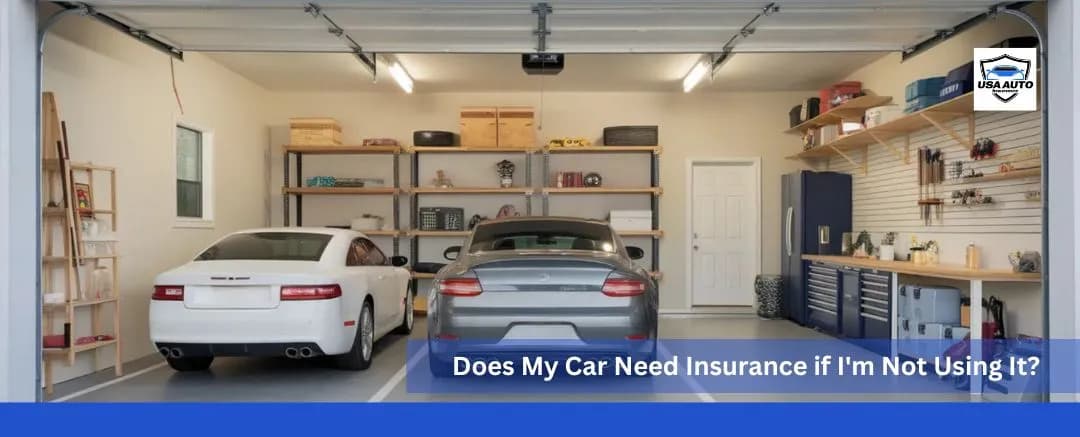
Does My Car Need Insurance if I'm Not Using It?
If you’re not driving your car anymore, or if it’s sitting idle at your parking space for days, and even weeks, you might be wondering whether you still need car insurance.
Can I Insure a Car Not in My Name?
If you frequently drive your parents’, spouse’s, or roommate's car, you may unintentionally put them and yourself at financial risk, especially if you get into an accident while driving the car.
What Happens if You Don’t Have Car Insurance?
Whether you’re new to driving or you’ve missed your car insurance renewal deadline, it’s important to understand what happens if you don’t have car insurance.

USA Auto Insurance
USA Auto is a licensed Managing General Agent (MGA) providing auto insurance policies underwritten by USA Underwriters Insurance Company.
Support
Copyright © USA Auto
Built by Neutrix | Powered by Neutrix Systems