May 26, 2026
Car Insurance Requirements
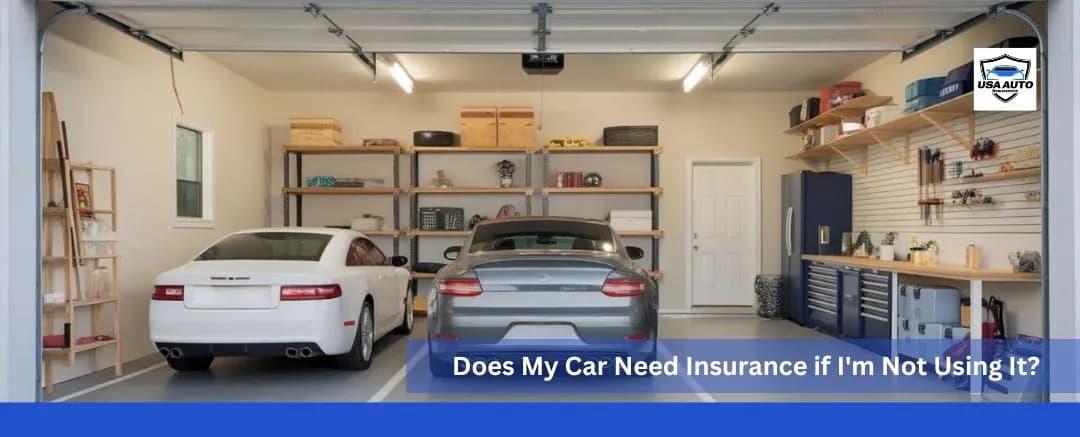
Does My Car Need Insurance if I'm Not Using It?
If you’re not driving your car anymore, or if it’s sitting idle at your parking space for days, and even weeks, you might be wondering whether you still need car insurance. Based on legal requirements, most states require you to carry the minimum liability coverage, while some states also require PIP coverage and other mandatory coverages.
While it’s important to stay legally compliant, car insurance just doesn’t protect you while you’re driving; it also protects you from various accidents and unexpected events, even when your car remains parked with comprehensive coverage.
It’s important to understand why it’s crucial to keep an active auto insurance policy even when you’re not using your car. Now, if you decide to cancel car insurance, it might seem like a way to save money, but it can lead to higher premiums, various legal issues, and unexpected financial risks in the future. This guide will help you determine whether you should pause, cancel, or switch to only comprehensive coverage.
Is Your Car Risk Free Even When You’re Not Using It?
Accidents don’t just happen on the road while you’re driving. Your car can get damaged even when it’s safely stored and parked in a garage, driveway, or public lot. There are ways your car can get damaged due to unexpected events like fire, vandalism, theft, water damage, falling objects, and various natural disasters. So, even when you’re not using your car, it’s never risk-free. Typically, car insurance coverage like comprehensive insurance is specifically designed to protect against these non-driving-related risks, helping you cover repair or replacement costs if your car is damaged or stolen.
What Can You Do with Your Auto Insurance Policy If You’re Not Driving?
If you’re not using your car, you don’t necessarily have to keep your policy exactly the same. There are some effective ways to adjust your coverage to reduce costs while still protecting your car and staying legally compliant, as follows.
Switch to Comprehensive-Only Coverage
If you’re not driving your car, switching to comprehensive-only coverage is the most practical way to keep your auto insurance policy active while lowering your insurance costs.
This is extremely helpful as it keeps your car financially protected against risks like theft, vandalism, fire, or weather damage, while helping you avoid paying for coverage you don’t currently need.
Additionally, if you decide to drive again in the future, keeping your car insurance active with just comprehensive coverage will help you avoid premium hikes due to a policy lapse.
Explore Options to Lower Your Premiums
If you’re not using your car, it’s a good idea to review your policy and look for ways to reduce your insurance costs without cancelling coverage. Many insurers offer discounts or adjustments that can help you save while keeping your car protected.
For example, you may qualify for discounts like low-mileage, safe driver, or good student discounts. You can also ask your insurer about removing add-ons or optional coverages that you don’t currently need. Even small adjustments to your policy can help you make a noticeable difference in lowering your premiums.
Consider Increasing Your Deductibles
If you’re not driving your car, increasing your deductible is another simple way to lower your insurance premiums while keeping your policy active. The deductible is the amount you pay out of pocket before your insurance coverage kicks in, and choosing a higher deductible typically reduces your monthly or annual premium.
When you’re not driving your car on public streets, it significantly reduces the risk of an accidental crash, so it may also lower the chances of an insurance claim. So, it gives you more flexibility to opt for a higher deductible to qualify for cheaper premiums. However, it’s important to select a deductible you can comfortably afford, as you’ll need to pay that amount out of pocket if something unexpected happens.
Unregister Your Car at the DMV
You can unregister your car at the local DMV by filing an affidavit of non-use. When you unregister a car, it is no longer mandatory to have it insured. It’s a useful option if you’re not planning to drive your car for an extended period.
However, your car must stay parked on private property and cannot be driven or kept on public roads while it’s unregistered. Keep in mind that requirements and processes vary by state, so it’s important to check with your local DMV before making this change.
If you plan to drive the car again later, you’ll need to re-register it and obtain the required insurance coverage before getting back on the road.
Should You Consider Temporarily Pausing Car Insurance?
You can’t literally pause auto insurance. In most cases, pausing your policy means reducing certain optional coverage, such as collision or add-ons, while keeping the required coverage in place.
This can help lower your premiums while your car isn’t in use, but your options will depend on your insurer and state requirements. You should only consider it if you’re not planning to drive the car at all or if you decide to unregister it or declare it as a non-operational vehicle.
In that case, you may no longer be required to carry liability coverage, and you can choose to keep only comprehensive coverage for protection. However, it’s best to confirm with your insurer whether they will allow you to pause your car insurance in the first place. Only some insurers allow it, while others don’t.
What Are the Eligibility Requirements for Getting Comprehensive Only Coverage?
If you’re planning to switch to comprehensive-only coverage, it’s important to first make sure you meet the eligibility requirements. You can opt for comprehensive insurance coverage when:
- You’re not driving the car at all and plan to keep it parked for an extended period, usually exceeding 30 days or more.
- The vehicle is stored in a safe location, such as a garage or private property
- You’re not required to maintain full coverage by a lender or leasing company
- Your state allows you to reduce coverage or keep only comprehensive coverage
- Your insurer offers the option to switch to comprehensive-only coverage
- The vehicle is declared non-operational or has a no operational status, if required by your state
Would You Still Need State-Mandated Coverage If You’re Not Driving?
If your car is still registered, then you’re legally required to carry state-mandated car insurance coverage in your auto insurance policy. However, if you file an affidavit and get your car unregistered, then you may no longer require any state-mandated coverage.
If you take the auto insurance state regulations in Michigan, for example. According to the Michigan DIFS, it is legally mandatory to have liability, PPI, and PIP coverage. So, if your car is still registered, you must carry these coverages. But if it’s deregistered, you can switch to comprehensive-only coverage to keep your policy active while still protecting your car from unexpected events.
Should You Cancel Car Insurance If You’re Not Driving?
Cancelling car insurance might seem like a quick way to save money, but it can come with legal and financial risks, along with long-term consequences. Even if you’re not using your car, dropping your policy entirely isn’t always the best decision, and here’s why.
Your Premiums May Increase Due to Policy Lapse
When you cancel your car insurance policy, it can create a gap in your coverage, which is commonly known as a policy lapse. Insurers often view a lapse as a higher risk, which can lead to increased premiums when you decide to get coverage again.
Even a short lapse can impact your insurance history and limit your eligibility for lower rates or discounts. So, while cancelling may save money in the short term, it can end up costing you more when you reinstate your policy later.
Risk of Unforeseen Damage
Even if you aren’t driving your car, it’s still exposed to risks that can cause damage. Events like theft, vandalism, fire, severe weather, or falling objects can occur at any time, whether your car is parked in a garage or on your driveway.
If you cancel your insurance, you’ll have no financial protection against these incidents and will need to pay for any repairs or replacement out of pocket. Keeping at least comprehensive coverage can help protect you from these unexpected losses.
Legal Consequences and Fines
If your car is still registered, cancelling your insurance can put you out of compliance with state laws. Most states require you to maintain at least minimum coverage as long as the vehicle is registered or allowed on public roads.
Failing to meet these requirements can lead to penalties such as fines, license or registration suspension, and reinstatement fees. So, even if you’re not using your car, you must maintain the required coverage to stay legally compliant, and that’s another reason why you shouldn’t cancel your auto insurance policy.
Violation of Loan/Lease Agreement
If your car is financed or leased, cancelling your insurance can violate the terms of your loan or lease agreement. Most lenders require you to maintain full coverage including liability, collision, and comprehensive until the loan is paid off or the lease ends.
If you fail to meet these requirements, the lender may purchase insurance on your behalf, often called force-placed insurance, which is usually more expensive and offers limited protection.
In some cases, it can also lead to penalties or even repossession of the vehicle. To avoid these issues, it’s important to review your loan or lease terms before making any changes to your auto insurance policy.
The Bottom Line: What Should You Do If You’re Not Driving?
Even if you’re not driving your car, going completely without insurance can lead various legal and financial consequences. As long as your vehicle is registered, you’ll typically need to maintain at least the required coverage to stay legally compliant.
If you’re not using your car for a while, consider cost-saving alternatives like switching to comprehensive-only coverage, increasing your deductible, or adjusting your policy to lower premiums. For long-term situations, unregistering your vehicle may also be an option.
The right choice depends on how long you plan to keep your car off the road and your specific situation. Before making any changes, review your policy and check your state requirements to avoid unexpected costs or penalties.
If your current insurer doesn’t offer the flexibility you need, it may be worth exploring other providers that do. So, if you need help finding a reliable auto insurance provider that offers flexible coverage options at an affordable rate, you should contact us for a free quote and expert advice.
Frequently Asked Questions (FAQs)
Can I have a car without insurance and not drive it?
It depends on your state and whether the car is registered. In most cases, if your car is still registered, you’re required to maintain at least minimum insurance, even if you’re not driving it. However, if you unregister the vehicle or declare it non-operational, you may not need insurance, though you can still keep comprehensive coverage for protection.
Can I cancel my insurance if I'm not driving my car?
Yes, you can cancel your car insurance if you’re not driving but only in certain situations. If your car is still registered, you’ll usually need to maintain at least the required coverage. Cancelling can also lead to higher premiums later due to a policy lapse, so it’s often better to consider lower-cost options instead.
Will my insurance go up if I stop coverage temporarily?
Yes, a lapse in coverage can make you appear higher risk to insurers, which may lead to higher premiums when you get insurance again.
What happens if my uninsured car gets damaged?
If you don’t have insurance, you’ll have to pay for repairs or replacement out of pocket, even if the damage is caused by an accident, theft, vandalism, or weather.
Is it cheaper to keep insurance or cancel it?
It may seem cheaper to cancel, but it can cost more in the long run due to higher premiums, loss of protection, and possible legal penalties.
Tag :
auto insurance
Latest Blog
Do Out-of-State Residents in Michigan Need Auto Insurance?
Yes, out-of-state residents may need Michigan auto insurance, depending on how long they operate their vehicle in the state.

What Do I Need to Get Car Insurance?
Getting car insurance requires personal, vehicle, financial, and insurance information. You may need your driver’s license, vehicle registration, VIN, driving history, and previous insurance details. Supporting documents, such as proof of safe driving, low mileage, or safety features, may also help you qualify for discounts. Before applying, determine the coverage and limits you need, compare quotes, submit the required documents, make your initial payment, and review your policy. Having accurate information ready can help prevent delays and make the application process easier.
Do You Need Insurance to Buy a Car?
If you’re thinking of purchasing a car any time soon, it’s also necessary to determine whether you need car insurance to buy one.

Can I Insure a Car Not in My Name?
If you frequently drive your parents’, spouse’s, or roommate's car, you may unintentionally put them and yourself at financial risk, especially if you get into an accident while driving the car.
What Happens if You Don’t Have Car Insurance?
Whether you’re new to driving or you’ve missed your car insurance renewal deadline, it’s important to understand what happens if you don’t have car insurance.
What Do You Need to Get Car Insurance?
If you’re shopping for car insurance, you will need to provide certain information and documents to complete the application process. Since car insurance requirements are regulated by law

USA Auto Insurance
USA Auto is a licensed Managing General Agent (MGA) providing auto insurance policies underwritten by USA Underwriters Insurance Company.
Support
Copyright © USA Auto
Built by Neutrix | Powered by Neutrix Systems